

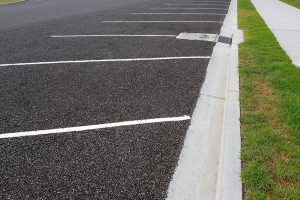
 When you think of parking lot striping, you might picture a fresh coat of white or yellow lines. But for Boston property owners and managers, it’s a whole lot more than that. In a city known for its tight streets, unpredictable weather, and historic buildings, how your parking lot is striped can directly impact traffic flow, safety, compliance, and curb appeal.
Below, we break down why professional striping matters in Boston—and how local property managers can use it to their advantage.
Key Takeaways
- Clear striping keeps Boston lots safe and efficient by organizing traffic in tight spaces like Beacon Hill or Allston.
- ADA-compliant layouts and visible markings help avoid fines while protecting everyone who uses commercial or residential properties.
- Timed striping after sealcoating and material upgrades like thermoplastic improve line durability and visibility year-round.
- Layout updates, crosswalks, arrows, and marked fire lanes boost safety, flow, and curb appeal in high-traffic neighborhoods.
It Creates Order in Tight, High-Traffic Spaces
Boston’s lots are often wedged between buildings, tucked behind mixed-use properties, or squeezed into limited space along commercial corridors like Commonwealth Avenue or Washington Street. Striping helps maximize every square foot, guiding drivers clearly through the lot without confusion or conflict.
In places like Jamaica Plain or Beacon Hill, where space is already limited and traffic is steady, even a few misaligned stalls can cause unnecessary backups or fender benders.
Professional striping ensures that every car fits safely and that traffic flows cleanly—even during peak times.
It Helps Comply With Local ADA and Zoning Regulations
The City of Boston enforces strict ADA accessibility and zoning rules, especially around commercial lots and multi-family buildings. If your parking lot isn’t striped to meet these codes, you risk fines and legal exposure.
Beyond just meeting the minimum requirements, thoughtful layout design—like correct van-accessible stall placement and safe crosswalk markings—shows you’re considering everyone who uses the space.
We always account for the Massachusetts building code, Boston Inspectional Services Department (ISD) guidelines, and even curb cut rules when designing your layout.
It Protects Your Asphalt Investment
Boston’s freeze-thaw cycles can wreak havoc on pavement.
Cracks from the winter snow and salt on streets like Huntington Avenue or near the Seaport can easily turn into costly repairs if the lot isn’t maintained.
Striping helps by drawing attention to traffic flow, which reduces unnecessary wear and tear in sensitive areas. Plus, when combined with regular sealcoating, it acts as part of a maintenance system that extends the life of your asphalt and keeps the surface looking sharp even after a rough winter.
It Improves Safety for Pedestrians and Drivers
In dense neighborhoods like Allston or Roxbury, parking lots are often shared between residents, delivery drivers, and customers on foot. Without clear directional arrows, crosswalks, and stall boundaries, these lots can become dangerous fast.
Striping isn’t just about aesthetics. It’s about protecting people.
High-visibility markings help drivers navigate tight turns and pedestrians find safe walkways, especially in poorly lit areas or during snowy months when visibility is already low.
It Enhances Curb Appeal and First Impressions
Boston renters and customers notice details. Whether it’s a medical office near Longwood Medical Area or a restaurant lot in the North End, your parking lot is the first thing people see when they arrive.
Faded or sloppy lines give the impression that the property isn’t well cared for.
Fresh, sharp striping signals professionalism and pride in your space—something that matters in competitive markets like Back Bay or Kendall Square, where appearances count as much as functionality.
What to Take to Improve Lot Safety and Appearance
Keeping a Boston parking lot safe and visually clean takes more than occasional upkeep.
If you manage a lot in neighborhoods like Dorchester, Brighton, or the Seaport, here’s what we recommend to improve both safety and appearance year-round.
Schedule Routine Striping After Sealcoating
In Boston, timing is everything—especially with maintenance that depends on the weather. The best time to restripe your lot is right after sealcoating, which should typically be done every 2–3 years, depending on use and exposure.
For lots in high-traffic areas like Dorchester or near Logan Airport, wear and tear happens faster, so staying ahead of fading lines helps keep the lot both functional and looking fresh.
Striping directly after sealcoating ensures optimal adhesion and visibility.
Reevaluate Lot Layout to Match Modern Traffic Needs
Many older lots in Boston were designed decades ago, and the way we drive (and park) has changed. If your property hasn’t updated its layout in years, it may not be maximizing capacity or safety.
We often recommend a layout audit, especially for lots in neighborhoods seeing growth like East Boston or the Fenway area. Re-striping is the perfect time to realign stalls, widen drive aisles, or add designated rideshare pickup zones.
Mark Fire Lanes and Emergency Access Clearly
Boston Fire Department codes require clear access in and out of properties, especially in commercial and mixed-use buildings. Fire lanes, loading zones, and emergency exits should be striped clearly and maintained year-round.
On busy roads like Blue Hill Avenue or near Boston University, these areas often get ignored or fade quickly. A well-marked fire lane isn’t just about compliance. It’s about safety for everyone using the property.
Use Thermoplastic or Reflective Paint in High-Wear Areas
In colder climates like Boston, standard striping paint can fade fast due to snowplows, salt, and freeze-thaw damage. For high-traffic entrances or lots near schools like Boston Latin or commercial spots along Tremont Street, we often recommend using thermoplastic or reflective striping.
These materials hold up better under stress and improve visibility during those early winter sunsets or in snowy conditions.
Add Crosswalks and Directional Arrows for Safer Flow
A simple addition of crosswalks and directional arrows can dramatically reduce confusion and accidents, especially in lots shared by pedestrians and vehicles. In multi-use areas like Assembly Row or near South Station, where there’s constant foot traffic, striping clear pedestrian paths not only improves safety but also guides behavior.
It’s a low-cost way to improve the function and user experience of your lot.
Make Your Boston Parking Lot Safer and Smarter
At Marchi Paving, we bring local knowledge and professional-grade materials to every job. We’ve worked with property managers from Hyde Park to Charlestown, helping them transform underperforming lots into safe, attractive, and efficient spaces.
Whether your lot needs a fresh layout, updated ADA compliance, or just a clean new look, we’re here to help you make it happen.
Let’s get your lot back in shape.
Contact us today to schedule a quote or ask about our striping and maintenance services.
Frequently Asked Questions
How long does parking lot striping last before it needs to be redone?
Striping usually lasts 12 to 18 months in Boston due to weather and traffic. We offer maintenance plans to monitor line visibility and restripe before it fades or violates city requirements.
Can you add custom markings like EV spaces, loading zones, or visitor parking?
Yes, we stripe custom features like electric vehicle spots, loading areas, visitor parking, and reserved stalls based on your layout. These markings help with organization and meet modern tenant or customer needs.
Do you handle striping projects for private residential lots or homeowner associations?
We provide full striping services for private drives, HOA communities, and condo lots. Our team ensures clear markings, safety features, and curb appeal for both small and large-scale residential properties.
What surfaces can you stripe besides standard asphalt lots?
We stripe on asphalt, concrete, and other paved surfaces. Whether it’s a school yard, garage deck, or private drive, we use the right materials for durability and clear, long-lasting markings.

