

Parking Lot Paving and Weather Exposure: What Affects Durability
 In Boston, parking lots take a beating long before they look worn out. From freeze-thaw cycles in Back Bay to salt exposure near the Seaport and Logan corridors, local weather steadily works against asphalt performance.
For commercial properties, durability is not just about appearance. It affects safety, liability, and long-term operating costs.
Below, we break down how Boston weather damages paved surfaces and what we do to reduce that impact through smarter design, materials, and maintenance.
Key Takeaways
- Boston freeze-thaw cycles and salt exposure are the biggest drivers of premature parking lot failure.
- Poor drainage and base preparation amplify weather-related damage over time.
- Local mix design and proactive maintenance extend pavement life and reduce capital surprises.
- Coordinated paving and snow management strategies lower long-term repair costs.
How Boston Weather Conditions Break Down Parking Lot Surfaces Over Time
Boston’s climate creates predictable stress points in commercial parking lots, especially in high traffic areas like Dorchester retail corridors or office parks near Route 128. These are the main ways weather shortens pavement life.
Freeze-Thaw Expansion and Contraction
Water seeps into small surface cracks during fall rain events, then freezes during overnight temperature drops common from November through March.
As ice expands, it forces the asphalt apart. Repeated cycles weaken the base and accelerate pothole formation. This is especially common in lots with older subgrades found around legacy industrial sites in South Boston and Everett.
Snow Removal and Plow Damage
Mechanical snow removal is unavoidable for Boston commercial properties. Steel plow blades scrape surface aggregates, catch raised seams, and chip at pavement edges near curbs and islands.
Over time, this surface wear exposes binder layers. Tight lots in areas like Cambridge and Brookline see more turning and blade pressure, which increases localized damage.
Deicing Salts and Chemical Exposure
Sodium chloride and calcium chloride are effective against ice but harsh on asphalt. These salts penetrate microcracks, attract moisture, and accelerate oxidation.
Properties near MassDOT-maintained roadways or MBTA stations often see heavier salt tracking from vehicles, which speeds up surface breakdown and joint failure.
Heavy Rain and Drainage Stress
Boston’s storm events are more intense than they were a decade ago. When drainage is undersized or catch basins clog, standing water softens asphalt and erodes the base.
Low-lying lots near the Charles River basin or older retail plazas along Commonwealth Avenue are especially vulnerable to water-related deformation.
Summer Heat and UV Oxidation
While winters get the attention, summer heat also plays a role. Extended heat waves harden asphalt binders, making surfaces brittle. UV exposure dries out the pavement, reducing flexibility.
Large open lots in suburban office parks around Waltham and Quincy experience more direct sun exposure and faster surface aging.
Durability-Focused Paving And Maintenance Steps to Reduce Weather Damage
Reducing weather damage starts with proper planning and continues through the life of the pavement. These steps are how we help Boston area commercial properties extend service life and control long-term costs.
Proper Base Preparation and Compaction
Durability starts below the surface. We evaluate soil conditions common to the Boston metro area, including clay-heavy fills and reclaimed urban soils. Proper excavation depth, crushed stone selection, and compaction reduce movement during freeze-thaw cycles. This is especially important for lots serving delivery traffic near I-93 and Route 1.
Asphalt Mix Design for Local Conditions
Not all asphalt performs the same in New England. We specify mixes designed for temperature swings and commercial load requirements. Higher-quality binders resist cracking in winter and rutting in summer.
For high-traffic properties like medical offices or mixed-use developments, mix selection directly impacts lifecycle cost.
Drainage Design and Water Management
Keeping water off the pavement is one of the most effective durability strategies. We adjust grading, install additional catch basins, and correct slopes to meet Boston Transportation Department requirements where applicable.
Proper drainage reduces base saturation and minimizes winter ice formation that leads to surface failure.
Joint Sealing and Crack Management
Crack sealing is not cosmetic. Timely sealing prevents water and salt from entering the pavement structure.
In Boston’s climate, sealing before winter is especially effective. Properties that schedule annual inspections and sealing typically delay major repairs by several years, which improves budget predictability.
Sealcoating and Surface Protection
Sealcoating adds a protective barrier against UV exposure, moisture, and chemical intrusion. For commercial lots, we recommend a cycle based on traffic volume and exposure rather than a fixed schedule.
Lots near coastal areas like East Boston may need more frequent applications due to salt air and higher moisture levels.
Snow Management Coordination
Durability improves when paving and snow management plans work together. We review plow routes, curb heights, and island protection to reduce blade impact.
Simple adjustments like marked edges and rubber blade use can significantly reduce surface damage over multiple winters.
Schedule a Weather-Resilient Paving Assessment
Boston weather is not changing, but how your parking lot handles it can. If your commercial property is showing early signs of cracking, drainage issues, or surface wear, now is the time to act.
At Marchi Paving, we evaluate existing conditions, identify weather-related risks, and recommend practical next steps based on usage and budget.
Contact us to schedule a site walkthrough and get a durability-focused plan before the next season puts more stress on your pavement.
Frequently Asked Questions
How long should a commercial parking lot last in the Boston area?
With proper base construction and regular maintenance, a commercial asphalt lot in Boston typically lasts 20 to 25 years. Heavy traffic, salt exposure, and poor drainage can shorten that range, while scheduled crack sealing and sealcoating help extend it.
When is the best time of year to schedule paving or repairs?
Late spring through early fall provides the best temperature conditions for asphalt placement and curing. Emergency repairs can be done outside that window, but planned work during warmer months leads to better compaction and longer-lasting results.
Do Boston properties need permits for parking lot paving?
Permit requirements depend on scope and location. Work that alters drainage, curb lines, or access points may require coordination with the Boston Transportation Department or local building departments. ADA compliance for striping and access is also reviewed during many projects.
How do you minimize disruption for active commercial sites?
Phased scheduling, off-hours work, and clear communication keep operations running. For retail centers and office parks, work is often staged to maintain access and meet safety expectations under OSHA guidelines while staying inspection-ready.
How to Decide Between Spot Repairs and Full Parking Lot Paving
In Greater Boston, parking lots take a beating. Freeze-thaw cycles, snowplows, road salt, and constant delivery traffic along corridors like Route 1, I-93, and the Mass Pike all shorten pavement life. If you manage a commercial property in Boston, the real question is not whether your lot needs attention, but how much.
Choosing between spot repairs and full parking lot paving comes down to evaluating risk, cost, and long-term performance, especially in a dense urban market where downtime and liability matter.
At Marchi Paving, we help property managers, facility directors, and owners make this decision every season. Below is the exact framework we use so you can confidently choose the most practical paving solution for your site.
Key Takeaways
- Spot repairs work best when damage is isolated, and the base remains stable.
- Widespread cracking and drainage issues usually point toward full parking lot paving.
- Boston’s climate accelerates failure, making lifecycle cost more important than upfront price.
- A structured evaluation helps reduce liability, downtime, and long-term maintenance spend.
Document Surface Failures and Distress Patterns
Start with a full walk-through of the lot during daylight hours. Look beyond obvious potholes and note cracking patterns, raveling, rutting, and areas where the asphalt surface is breaking down. In Boston’s Seaport District or older Back Bay commercial blocks, we often see alligator cracking caused by decades of heavy loading on older base materials.
Why this matters is simple. Isolated damage near loading docks or dumpster pads usually points toward spot repairs. Widespread cracking across drive lanes and parking stalls often signals structural fatigue that patching alone will not solve.
Evaluate Drainage and Water Movement
Water is asphalt’s biggest enemy in New England.
Pay close attention after rain or snowmelt. Standing water near catch basins, along curbs, or at low points near sidewalks is a red flag. In areas like South Boston or Dorchester, lots built on reclaimed or low-lying land often suffer from subgrade saturation.
Poor drainage accelerates base failure.
If water is infiltrating through multiple cracks and seams, spot repairs may only provide short-term relief. Full paving or reconstruction may be required to correct grades and restore proper runoff.
Assess Base Integrity and Load Demands
Surface issues tell part of the story, but the base condition is critical.
Look for depressions, pumping water, or areas that feel soft under heavy vehicles. Retail plazas near Route 128 or warehouse facilities closer to the Inner Belt often experience concentrated truck traffic that exceeds what the original pavement was designed for.
If failures are limited to high-load zones, targeted full-depth repairs can be effective.
If base instability appears across large sections, full parking lot paving becomes the safer long-term investment.
Review Lot Age and Maintenance History
Age matters, especially in Boston, where older properties may still be operating on pavement installed decades ago. Asphalt lots typically last 20 to 25 years with proper maintenance. Review records for past overlays, sealcoating, or repeated patching.
If your lot has been patched multiple times over the past few winters, especially after freeze-thaw damage, that history often indicates the pavement is nearing the end of its service life. Repeated spot repairs can quickly become sunk costs.
Identify Safety, ADA, and Liability Risks
Cracks, potholes, and uneven surfaces increase trip hazards and vehicle damage claims.
In high-traffic commercial areas like Downtown Crossing or near MBTA-adjacent properties, liability exposure is a serious concern. Uneven pavement can also impact ADA-accessible routes, parking stalls, and curb ramps.
When safety issues are scattered throughout the lot, full paving allows you to restore slopes, striping, and accessibility features to current standards rather than chasing hazards one repair at a time.
Interpreting Your Evaluation Results to Choose the Most Practical Paving Solution
Once you have documented conditions and identified where the lot is failing, the next step is to weigh a few practical factors that turn those observations into a clear repair or paving decision. These criteria help property owners compare cost, risk, and long-term performance.
Determine the Percentage of Affected Pavement
A common industry benchmark is surface coverage.
If distress affects less than roughly 20 to 25 percent of the lot, spot repairs are often cost-effective. This is typical for newer office parks in Waltham or Burlington, where damage is localized.
Once deterioration spreads beyond that range, full parking lot paving usually delivers better value. Patching large percentages leads to uneven surfaces, inconsistent performance, and higher maintenance costs over time.
Compare Short-Term Savings Versus Long-Term Costs
Spot repairs have lower upfront costs.
In the Boston market, isolated asphalt patching may range from a few thousand dollars, depending on access, depth, and traffic control needs. Full paving is a larger capital expense, often driven by square footage, base condition, and phasing requirements.
The key is lifecycle cost.
Multiple winters of plowing, salting, and freeze-thaw cycles can quickly undo patches. Full paving resets the clock, reducing annual repair budgets and emergency calls.
Factor in Operational Disruption and Scheduling
Commercial properties cannot afford extended downtime.
Spot repairs are faster and easier to phase around tenants, deliveries, and parking needs. This works well for medical offices or small retail centers where access must remain open daily.
Full paving requires careful staging but can often be completed in phases to maintain operations. In Boston, coordinating around city permits, traffic control, and after-hours work is part of the planning process.
When scheduled correctly, full paving minimizes repeated disruptions compared to ongoing repairs.
Align the Decision With Capital Planning Goals
Consider where the property sits in your broader asset plan.
If you are preparing for lease renewals, property sales, or refinancing, a fully paved lot improves curb appeal and inspection outcomes. Many institutional owners in the Boston metro area choose full paving to stabilize assets and reduce deferred maintenance.
If the property is nearing redevelopment or short-term ownership, spot repairs may be the practical bridge solution, provided safety and compliance are maintained.
Confirm Compliance and Future Maintenance Strategy
Before finalizing the decision, confirm that your chosen approach supports ADA compliance, drainage requirements, and striping layouts. Full paving provides an opportunity to correct slopes, add EV-ready layouts, and improve traffic flow, which is increasingly important at urban commercial sites.
A clear maintenance plan should follow either option.
Spot repairs should be paired with crack sealing and sealcoating schedules. Full paving should include a long-term maintenance timeline to protect the investment in Boston’s harsh climate.
Get A Professional Parking Lot Evaluation In Boston
If you are weighing spot repairs against full parking lot paving, guessing can get expensive.
We walk your site, document conditions, and give you a clear recommendation based on safety, cost, and performance. If you manage a commercial property anywhere in the Boston area, let us schedule an on-site evaluation and build a paving plan that actually fits your operation.
Frequently Asked Questions
How do we know if our parking lot base is failing without excavation?
Base failure is often indicated by recurring potholes, depressions, or water pumping after rain. Visual inspection combined with probing and traffic pattern analysis allows us to identify base issues without full excavation in most cases.
What is the typical timeline difference between spot repairs and full paving?
Spot repairs are often completed in one to two days, depending on the scope. Full paving for a mid-sized commercial lot in Boston typically takes several days to a week when phased properly, including curing and restriping.
Are permits required for commercial parking lot paving in Boston?
Depending on access points, drainage changes, or work near public ways, permits from the City of Boston may be required. Coordinating with local agencies and inspectors is part of the planning process.
Can we phase full paving to keep tenants and customers accessible?
Yes. Phased paving is common for retail centers, office parks, and medical facilities. Work is sequenced to maintain access, meet ADA requirements, and minimize disruption during peak business hours.
What Happens If You Skip Parking Lot Crack Sealing: Risk Breakdown

Boston’s freeze-thaw cycles punish commercial asphalt, and property managers around Back Bay and Dorchester often see those first thin cracks show up after a tough winter. Many assume those lines can wait until the next budget cycle, but skipping crack sealing sets off a chain of parking lot failures.
The reality is that untreated cracks turn into water intrusion, base damage, and costly reconstruction. Now we’ll break down the specific risks and the local factors you should weigh before planning your next round of pavement maintenance in Boston.
Key Takeaways
- Crack sealing prevents water from weakening the base layer.
- Boston’s freeze-thaw cycles widen untreated cracks quickly.
- Traffic loads and drainage shape the right repair plan.
- Seasonal timing helps sealants bond and last longer.
Water Intrusion That Weakens the Base
Water entered through open cracks erodes the stone base that supports your asphalt, especially during Boston’s heavy spring rain. Once that base softens, load-bearing strength drops in high-traffic areas near retail entrances in places like South Bay Center.
The weakened base shifts under delivery trucks, and the surface layer begins to crumble. That damage spreads even faster once more moisture settles under the asphalt.
Accelerated Freeze-Thaw Deterioration
Cold nights and warmer afternoons around the Charles River create repeat freeze-thaw cycles that expand cracks in ways commercial owners rarely see in milder regions.
Water trapped in the pavement freezes, expands, and pries open the asphalt, turning small cracks into wide gaps. That pattern continues across late winter, especially in shaded areas around multi-building complexes in West Roxbury.
As sections loosen, the asphalt loses bond strength and begins to ravel at the edges. A timely seal prevents these cracks from acting like pressure points in winter.
Growing Liability Risks From Surface Breakdowns
Unsealed cracks often turn into uneven patches that cause tripping hazards or tire damage in busy commercial lots. Areas with consistent foot traffic, such as near MBTA-adjacent retail properties in Jamaica Plain, see this risk rise quickly. Customers and tenants expect smooth access, and surface failures raise exposure for claims.
As the edges break down, you can see the early signs of pothole formation that invite even larger hazards. Sealing cracks on time protects both your pavement and your liability position.
Pothole Formation That Leads to Full-Depth Repairs
Once cracks deteriorate, potholes follow, and those potholes grow fast under heavy fleet or delivery traffic. In older lots around industrial corridors near Chelsea Creek, base failures often lead to full-depth patching. Those repairs cost several times more than annual crack sealing.
Heavy snow removal equipment also makes potholes worse by shaving loose edges and carving deeper voids. Regular sealing creates a buffer that slows all of this progression.
What To Review Before Deciding on Repair or Maintenance Steps
A few local conditions dictate whether crack sealing alone works or if you need a larger asphalt repair plan.
Current Crack Width and Spread
Crack width helps determine if sealing is still viable. Narrow cracks under a quarter inch often respond well to standard hot-pour sealant, while wide alligator patterns in older lots near Downtown Crossing usually signal deeper structural issues.
When we inspect a commercial property, we look for patterns that link one area to another, such as vehicle turning lanes or drainage channels. The larger the network, the more likely base repairs are needed.
Evaluating width and spread helps you avoid wasting maintenance dollars on the wrong treatment.
Drainage Conditions Around the Lot
Poor drainage forces water to sit in surface cracks, and Boston’s coastal storms make this issue more common near low-lying zones by Fort Point Channel. Standing water speeds up raveling along the crack edges and reduces the life of sealants.
We often look at slope, catch basins, and where snow piles usually sit after plowing. Drainage issues can push you toward a mix of sealing and patching instead of sealing alone. Solid drainage design dramatically extends the work you put into repairs.
Traffic Type and Load Cycles
Light retail traffic has a different impact than box truck or shuttle bus traffic found near Logan Airport service corridors. Heavier loads press water deeper into unsealed cracks and widen each fracture.
We review truck routes, delivery pads, and turning lanes because these areas fail first when sealing is skipped. A high-load environment may require reinforced repair plans that go beyond crack sealing. Knowing the load profile keeps the job aligned with real site demands.
Age of Asphalt and Previous Maintenance
Older asphalt in neighborhoods like Roslindale or Allston often carries a mix of oxidation and older patchwork that influences how well sealing will bond. A surface that has gone more than a decade without consistent maintenance tends to show brittle areas where cracks multiply.
We look for signs of past sealcoating, earlier fill materials, and how those repairs held up through recent winters. These clues show if sealing still offers value or if more comprehensive resurfacing is the wiser choice.
Matching the treatment to the pavement’s age saves money long term.
Upcoming Seasonal Conditions
Boston’s winters and late spring rains shape the best timing for repairs. Sealing just before freeze season reduces the chances of cracks expanding. Moisture levels also matter, since sealants need a dry window to bond correctly in coastal humidity near East Boston.
We track temperature swings and target days with stable weather to secure a strong seal. Seasonal timing ensures the work lasts and keeps your parking lot ready for both snow removal and summer traffic.
Protect Your Commercial Parking Lot Before Damage Grows
Pavement problems accelerate once cracks open, and most commercial owners feel the disruption when customers or tenants start noticing rough areas. The smart move is to address these openings before they grow into potholes and liability issues.
At Marchi Paving, we focus on the specific pressures Boston pavement faces and deliver repairs that match your lot’s age, traffic, and weather exposure. We help you protect your investment and plan work without shutting down business operations. Contact us to schedule an evaluation, request a quote, or set up your next maintenance window this week.
Frequently Asked Questions
How do I know if cracks in my Boston lot are still suitable for hot-pour sealing?
Our crew checks crack width, depth, and surrounding raveling, and cracks narrower than a quarter inch typically accept standard hot-pour materials used in Boston’s climate. We also review whether the pattern suggests base movement that might require patching under Massachusetts pavement guidelines. This helps determine if sealing will hold through the next freeze cycle.
How often should a commercial property near Back Bay schedule crack inspections?
Our team recommends seasonal reviews, especially after winter, because the freeze-thaw pattern around the Charles River widens cracks. We also consider drainage flow, traffic stress, and prior sealant age to set the right inspection rhythm for your property. Regular inspections catch cracks before they grow into potholes.
What signs show that my lot needs more than sealing?
Our evaluation looks for interconnected cracking, soft spots, or settled areas that suggest base failure under heavy commercial traffic. We compare these symptoms to typical wear around Boston’s older mixed-use properties and check for moisture pumping during rainfall. These cues help confirm when patching or resurfacing is a better option.
How does snow removal affect unsealed cracks in commercial lots?
Our crew sees plows scrape loosened asphalt around open cracks, which accelerates edge breakup in lots across Dorchester and South Boston. We also see meltwater enter those cracks and refreeze, expanding the damage. Proper sealing creates a barrier that helps your lot survive winter operations.
What Makes a Good Asphalt Company Different from a Paving Contractor
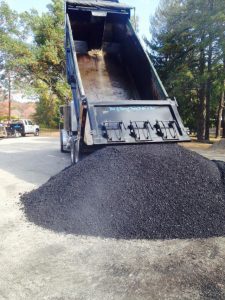 Not all paving professionals are created equal—especially in a city like Boston, where historical charm, unpredictable weather, and tightly packed neighborhoods add complexity to even the most straightforward job. If you’re trying to figure out the difference between a quality asphalt company and your average paving contractor, you’re not alone.
Homeowners and business owners across neighborhoods like Dorchester, Allston, and Beacon Hill often ask us what separates the pros from the rest. And honestly, it matters.
Here’s how you can tell the difference.
Key Takeaways
- Good asphalt companies in Boston understand local soil, drainage, and weather conditions before starting any paving work.
- Knowledge of city permits, MassDOT rules, and long-term service plans sets asphalt experts apart from basic contractors.
- Experience with historic neighborhoods helps top companies protect Boston’s character while delivering strong, modern pavement solutions.
- Local project history, owned equipment, and real client references are signs you’ve found a reliable asphalt company.
In-Depth Knowledge of Boston’s Unique Subgrades and Soil Conditions
Boston’s landscape is anything but simple. From the rocky terrain of Jamaica Plain to the soft, reclaimed land in Back Bay, a good asphalt company understands how these underlying conditions affect pavement performance.
Unlike a general paving contractor who might just skim the surface—literally—a specialized asphalt company will evaluate the soil compaction, drainage patterns, and frost heave risks before a single layer goes down.
This level of site prep prevents premature cracking and uneven settling, which is especially important in areas with harsh freeze-thaw cycles like we see every winter in Boston.
Familiarity With MassDOT Standards and City Permitting Processes
One of the biggest differences comes down to compliance. Reputable asphalt companies in Boston work closely with local guidelines and agencies like the Massachusetts Department of Transportation and the Boston Public Works Department.
These aren’t just boxes to check. They ensure long-term safety and legal operation. For instance, projects near schools in neighborhoods like Roxbury or near busy intersections in South Boston require specific ADA-compliant curb ramps and drainage plans.
A general paving contractor might not be aware of these details, which can lead to costly fines or rework later.
Access to Industrial-Grade Materials and Equipment
Unlike smaller paving contractors who often rent equipment or rely on third-party suppliers, top-tier asphalt companies invest in their own gear and use high-performance mixes tailored to our region. For example, many of us source Superpave asphalt mixes designed to handle the load stress from Boston’s heavy traffic on roads like Storrow Drive or Route 1A.
We also have the tools to perform infrared patching and sealcoating—services that extend the life of the surface and are especially useful for businesses trying to maintain storefront appeal in places like the North End.
Long-Term Maintenance Plans and Service Guarantees
Another key difference?
A good asphalt company doesn’t just lay pavement and walk away. We build maintenance plans that account for Boston’s climate, including seasonal sealcoating, crack filling, and snowplow damage repairs. For example, in high-impact zones like parking lots in Brighton or delivery areas in Fenway, surface degradation can happen fast.
Offering a structured maintenance package means we’re planning for longevity, not just short-term results. It also gives clients peace of mind, knowing they’re backed by service warranties and ongoing support.
Experience Working on Historic and High-Profile Properties
From cobblestone alleyways in Beacon Hill to institutional campuses in Cambridge and surrounding neighborhoods, Boston’s character is rooted in its history.
A great asphalt company understands how to balance modern pavement performance with historic preservation. We know when to recommend porous asphalt to meet city sustainability goals or when to preserve curbing and landscaping that’s protected by local historic commissions.
Paving contractors without this experience might treat every job the same, missing important context and risking violations.
How to Find a Good Asphalt Company in Boston
Start by Checking Past Work in Your Own Neighborhood
One of the best ways to spot a reliable asphalt company is by looking at jobs they’ve already done in your area. For example, if you’re in Charlestown or South Boston and you’ve noticed a clean, well-striped parking lot that’s held up through winter, that’s a good sign.
A company that’s worked nearby will be familiar with neighborhood-specific needs—like tight alley access or water runoff patterns—and that real-world experience counts for more than flashy online ads.
Ask About Experience With Boston-Specific Regulations
Permitting and code compliance are no joke in Boston. From sidewalk slope requirements to stormwater runoff regulations enforced by the Boston Water and Sewer Commission, the right asphalt company should be able to speak confidently about what’s required.
If they’ve never worked with the Inspectional Services Department or can’t explain the difference between public and private way permits, that’s a red flag.
Local knowledge helps prevent delays and keeps your project on track.
Look for Companies Offering Full Lifecycle Services
A top asphalt company in Boston won’t just show up with a crew and vanish once the job is done. They’ll talk to you about ongoing care—sealcoating schedules, surface inspections, and snow-related surface stress.
Especially in areas like West Roxbury and Hyde Park, where plow damage and salt exposure are common, having a provider who can return seasonally makes a big difference.
This type of relationship-focused service is something most general paving contractors simply don’t offer.
Verify Equipment Ownership and Materials Sourcing
Ask the company if they own their equipment and where their asphalt comes from. Reliable companies serving the Boston area often work with regional plants and manufacturers like Brox Industries or Aggregate Industries.
If the provider can’t tell you the mix design or they rent all their machines, chances are you’re dealing with someone who subcontracts most of the work. That might save them money, but it could cost you in terms of quality and reliability.
Request References From Clients With Similar Properties
Whether you’re managing a small commercial lot in Roslindale or resurfacing a private asphalt driveway in East Boston, you want to hear from someone who’s had similar work done. The best asphalt companies will happily connect you with past clients who faced the same challenges. They’ll also have a portfolio of before-and-after photos—not just generic stock images.
Real, local results speak louder than promises.
Get Quality Asphalt Work That Lasts in Boston
In a city like Boston, where our roads and lots take a beating from salt, snow, and city traffic, it pays to work with a team that does more than just pour and pave.
At Marchi Paving, we take the time to understand your property’s unique needs—from tricky access on Beacon Hill to high-traffic lots in Dorchester. We know how to navigate Boston’s permits, weather challenges, and historical requirements because we’ve done it time and again.
If you’re looking for lasting quality, not just a low price, let’s talk.
Frequently Asked Questions
How long does asphalt paving usually take for a residential driveway in Boston?
Most Boston driveways can be paved in one to two days, including prep and cleanup, depending on layout, slope, and site access.
When is the best time of year to schedule asphalt paving in Boston?
We recommend scheduling between May and October when temperatures are ideal for proper curing and fewer rain delays interrupt the paving process.
Can asphalt be repaired in winter if there’s an urgent problem?
Yes, we offer cold-weather patching services for urgent asphalt issues in winter, though permanent repairs should wait for warmer months.
Do you offer eco-friendly asphalt options for environmentally conscious properties?
Yes, we install porous asphalt and recycled asphalt mix designed to reduce runoff and support green building efforts in the Boston area.
Why Parking Lot Striping Is More Than Just Paint
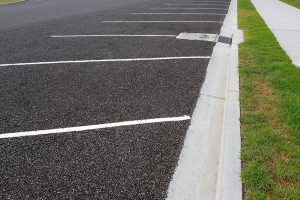 When you think of parking lot striping, you might picture a fresh coat of white or yellow lines. But for Boston property owners and managers, it’s a whole lot more than that. In a city known for its tight streets, unpredictable weather, and historic buildings, how your parking lot is striped can directly impact traffic flow, safety, compliance, and curb appeal.
Below, we break down why professional striping matters in Boston—and how local property managers can use it to their advantage.
Key Takeaways
- Clear striping keeps Boston lots safe and efficient by organizing traffic in tight spaces like Beacon Hill or Allston.
- ADA-compliant layouts and visible markings help avoid fines while protecting everyone who uses commercial or residential properties.
- Timed striping after sealcoating and material upgrades like thermoplastic improve line durability and visibility year-round.
- Layout updates, crosswalks, arrows, and marked fire lanes boost safety, flow, and curb appeal in high-traffic neighborhoods.
It Creates Order in Tight, High-Traffic Spaces
Boston’s lots are often wedged between buildings, tucked behind mixed-use properties, or squeezed into limited space along commercial corridors like Commonwealth Avenue or Washington Street. Striping helps maximize every square foot, guiding drivers clearly through the lot without confusion or conflict.
In places like Jamaica Plain or Beacon Hill, where space is already limited and traffic is steady, even a few misaligned stalls can cause unnecessary backups or fender benders.
Professional striping ensures that every car fits safely and that traffic flows cleanly—even during peak times.
It Helps Comply With Local ADA and Zoning Regulations
The City of Boston enforces strict ADA accessibility and zoning rules, especially around commercial lots and multi-family buildings. If your parking lot isn’t striped to meet these codes, you risk fines and legal exposure.
Beyond just meeting the minimum requirements, thoughtful layout design—like correct van-accessible stall placement and safe crosswalk markings—shows you’re considering everyone who uses the space.
We always account for the Massachusetts building code, Boston Inspectional Services Department (ISD) guidelines, and even curb cut rules when designing your layout.
It Protects Your Asphalt Investment
Boston’s freeze-thaw cycles can wreak havoc on pavement.
Cracks from the winter snow and salt on streets like Huntington Avenue or near the Seaport can easily turn into costly repairs if the lot isn’t maintained.
Striping helps by drawing attention to traffic flow, which reduces unnecessary wear and tear in sensitive areas. Plus, when combined with regular sealcoating, it acts as part of a maintenance system that extends the life of your asphalt and keeps the surface looking sharp even after a rough winter.
It Improves Safety for Pedestrians and Drivers
In dense neighborhoods like Allston or Roxbury, parking lots are often shared between residents, delivery drivers, and customers on foot. Without clear directional arrows, crosswalks, and stall boundaries, these lots can become dangerous fast.
Striping isn’t just about aesthetics. It’s about protecting people.
High-visibility markings help drivers navigate tight turns and pedestrians find safe walkways, especially in poorly lit areas or during snowy months when visibility is already low.
It Enhances Curb Appeal and First Impressions
Boston renters and customers notice details. Whether it’s a medical office near Longwood Medical Area or a restaurant lot in the North End, your parking lot is the first thing people see when they arrive.
Faded or sloppy lines give the impression that the property isn’t well cared for.
Fresh, sharp striping signals professionalism and pride in your space—something that matters in competitive markets like Back Bay or Kendall Square, where appearances count as much as functionality.
What to Take to Improve Lot Safety and Appearance
Keeping a Boston parking lot safe and visually clean takes more than occasional upkeep.
If you manage a lot in neighborhoods like Dorchester, Brighton, or the Seaport, here’s what we recommend to improve both safety and appearance year-round.
Schedule Routine Striping After Sealcoating
In Boston, timing is everything—especially with maintenance that depends on the weather. The best time to restripe your lot is right after sealcoating, which should typically be done every 2–3 years, depending on use and exposure.
For lots in high-traffic areas like Dorchester or near Logan Airport, wear and tear happens faster, so staying ahead of fading lines helps keep the lot both functional and looking fresh.
Striping directly after sealcoating ensures optimal adhesion and visibility.
Reevaluate Lot Layout to Match Modern Traffic Needs
Many older lots in Boston were designed decades ago, and the way we drive (and park) has changed. If your property hasn’t updated its layout in years, it may not be maximizing capacity or safety.
We often recommend a layout audit, especially for lots in neighborhoods seeing growth like East Boston or the Fenway area. Re-striping is the perfect time to realign stalls, widen drive aisles, or add designated rideshare pickup zones.
Mark Fire Lanes and Emergency Access Clearly
Boston Fire Department codes require clear access in and out of properties, especially in commercial and mixed-use buildings. Fire lanes, loading zones, and emergency exits should be striped clearly and maintained year-round.
On busy roads like Blue Hill Avenue or near Boston University, these areas often get ignored or fade quickly. A well-marked fire lane isn’t just about compliance. It’s about safety for everyone using the property.
Use Thermoplastic or Reflective Paint in High-Wear Areas
In colder climates like Boston, standard striping paint can fade fast due to snowplows, salt, and freeze-thaw damage. For high-traffic entrances or lots near schools like Boston Latin or commercial spots along Tremont Street, we often recommend using thermoplastic or reflective striping.
These materials hold up better under stress and improve visibility during those early winter sunsets or in snowy conditions.
Add Crosswalks and Directional Arrows for Safer Flow
A simple addition of crosswalks and directional arrows can dramatically reduce confusion and accidents, especially in lots shared by pedestrians and vehicles. In multi-use areas like Assembly Row or near South Station, where there’s constant foot traffic, striping clear pedestrian paths not only improves safety but also guides behavior.
It’s a low-cost way to improve the function and user experience of your lot.
Make Your Boston Parking Lot Safer and Smarter
At Marchi Paving, we bring local knowledge and professional-grade materials to every job. We’ve worked with property managers from Hyde Park to Charlestown, helping them transform underperforming lots into safe, attractive, and efficient spaces.
Whether your lot needs a fresh layout, updated ADA compliance, or just a clean new look, we’re here to help you make it happen.
Let’s get your lot back in shape.
Contact us today to schedule a quote or ask about our striping and maintenance services.
Frequently Asked Questions
How long does parking lot striping last before it needs to be redone?
Striping usually lasts 12 to 18 months in Boston due to weather and traffic. We offer maintenance plans to monitor line visibility and restripe before it fades or violates city requirements.
Can you add custom markings like EV spaces, loading zones, or visitor parking?
Yes, we stripe custom features like electric vehicle spots, loading areas, visitor parking, and reserved stalls based on your layout. These markings help with organization and meet modern tenant or customer needs.
Do you handle striping projects for private residential lots or homeowner associations?
We provide full striping services for private drives, HOA communities, and condo lots. Our team ensures clear markings, safety features, and curb appeal for both small and large-scale residential properties.
What surfaces can you stripe besides standard asphalt lots?
We stripe on asphalt, concrete, and other paved surfaces. Whether it’s a school yard, garage deck, or private drive, we use the right materials for durability and clear, long-lasting markings.
How Long Should You Wait Before Driving on Parking Lot Crack Sealing?
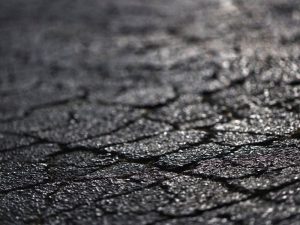 Crack sealing is one of the most cost-effective ways to preserve your parking lot’s lifespan, especially in a city like Boston, where extreme seasonal swings—from icy winters to humid summers—can wreak havoc on asphalt. But one of the most common questions we get at Marchi Paving is, “How long should I wait before driving on newly sealed cracks?”
The answer isn’t one-size-fits-all. It depends on a few local variables, including weather conditions, the type of sealant used, and even the surrounding environment—whether you’re managing a Back Bay commercial lot or maintaining a small property near Dorchester Avenue.
Here’s what you need to know about the drying and curing timeline for crack sealing in Boston.
Key Takeaways
- Mild spring weather in Boston usually allows six to eight hours of drying before cars can return.
- Hot and humid Boston summers often stretch the curing time to twelve to twenty-four hours for safety.
- Cooler transitional seasons in Boston may need as much as forty-eight hours for the sealant to cure.
- Full curing keeps pavement stronger for longer, and Marchi Paving helps Boston properties get the timing right.
Wait at Least 6 to 8 Hours in Mild, Dry Weather
If we’re sealing your parking lot on a classic late-spring Boston day—think mid-60s, dry, with a light breeze—you can typically drive on it after about 6 to 8 hours. This is the minimum curing time under ideal conditions.
Lots near Jamaica Plain or along Commonwealth Avenue, where tree cover and airflow are decent, will see even curing throughout. However, we always caution business owners not to rush this step; just because it looks dry doesn’t mean it’s fully cured.
Give It 12 to 24 Hours During Boston’s Humid Summers
During July and August, when humidity levels spike and temps sit in the high 80s, you’ll want to give your parking lot closer to 12 to 24 hours before allowing traffic.
Areas like South End and Fenway, where tall buildings can block airflow, often trap moisture and slow down drying. Crack sealant can stay tacky longer in these conditions, making early traffic a risk for smearing or pulling up the material.
If you’re managing high-volume lots, especially near busy spots like Newbury Street, waiting a full 24 hours ensures a cleaner, longer-lasting finish.
Expect Longer Wait Times After Late Fall or Early Spring Applications
Boston‘s transitional seasons—late March into April and late October into November—bring unpredictable temperature swings and more frequent rain.
If we’re applying crack sealant during these cooler or damp stretches, like in Brighton or along the Charles River, it may take up to 48 hours to fully cure. This is because nighttime temperatures often drop into the 40s or below, stalling the chemical curing process.
We always monitor the weather forecast carefully during these seasons and may recommend rescheduling if the conditions aren’t right.
Avoid Driving on Sealed Cracks for up to 72 Hours in Shaded or High-Moisture Zones
If your lot is in a shaded location—say, tucked behind a Beacon Hill brownstone or next to a tree-lined park like the Boston Common—curing can take up to 72 hours.
Moisture from the nearby vegetation or limited sun exposure can significantly delay drying time. We also see this in some coastal properties near East Boston, where ocean air keeps surfaces damp longer.
In these cases, we might rope off the area for several days to protect the fresh sealant and ensure the material bonds properly with the asphalt.
Let the Sealant Cure Right—Protect Your Investment
Crack sealing isn’t something you want to rush. Letting the sealant fully cure before driving on it makes a big difference in how long it lasts—especially here in Boston, where asphalt takes a beating from road salt, snowplows, and freeze-thaw cycles.
At Marchi Paving, we don’t just seal cracks—we make sure the timing, materials, and weather conditions are all aligned to give your pavement the best chance at a long, healthy lifespan. We use industry-proven materials suited for New England’s climate, and we schedule our work with Boston’s unique weather patterns and property layouts in mind.
If you’re planning a crack sealing project—whether it’s in Allston, Southie, or right downtown—give us a call first. We’ll walk you through what to expect, recommend the best time to schedule, and make sure your parking lot is protected for the long haul.
Frequently Asked Questions
Can crack sealing be done in Boston during the winter months?
Crack sealing cannot properly cure in freezing Boston winters. At Marchi Paving, we recommend scheduling work between spring and fall, when consistent temperatures help ensure strong bonding and long-lasting results.
How often should Boston property owners plan for crack sealing?
Most Boston parking lots need sealing every two to three years. At Marchi Paving, we evaluate traffic, weather exposure, and asphalt age to recommend the best maintenance schedule for your property.
Does sealing prevent water from worsening cracks in Boston’s freeze-thaw cycles?
Yes, sealing protects against freeze-thaw damage. At Marchi Paving, we apply materials designed for New England climates, preventing water from entering cracks and causing expansion during harsh Boston winters.
Can Marchi Paving work outside regular hours to reduce parking lot downtime?
Yes, we often schedule evening or weekend projects. At Marchi Paving, we accommodate Boston businesses along busy routes by completing work with minimal disruption to customers or tenants.
How Many Days Should a Driveway Contractor in Boston Take to Finish the Job?
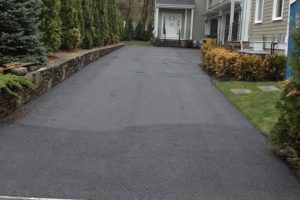 If you’re planning to replace or install a driveway in Boston, you’re probably wondering how long the whole process will take. Between unpredictable New England weather and the dense layout of neighborhoods like Jamaica Plain or the North End, it’s not always a one-size-fits-all answer.
At Marchi Paving, we’ve handled everything from tight townhome lots in Dorchester to larger suburban driveways in West Roxbury, so we know how timing can vary.
Let’s walk through what you can expect and why the number of days needed can differ across Greater Boston.
Key Takeaways
- Most driveway jobs in Boston take one to five days, depending on the size, design, and site access.
- Smaller projects in places like Hyde Park or Roslindale often finish faster than larger ones in Newton or Mattapan.
- Local weather, driveway materials, permits, and site conditions can all add time to a driveway installation.
- A Boston-based contractor who knows city rules and neighborhood layouts can help keep your project on schedule.
One-Day Driveway Installations
For small, straightforward jobs—like a basic asphalt resurfacing on a short driveway in Hyde Park—we can often wrap everything up in a single day. These projects are typically on properties with clear access, minimal grading, and no underlying drainage issues.
In neighborhoods where parking restrictions are tight, such as Beacon Hill or parts of Back Bay, completing the work quickly is not just ideal—it’s necessary to avoid permit complications and disruption to your neighbors.
Two-Day Projects
A two-day timeline is common for full asphalt replacements or standard concrete walkways in average-sized properties.
We often see this schedule in places like Roslindale or Brighton, where there’s just enough space to work efficiently, but still a need to manage things like slope and runoff.
Day one is usually prep work—excavation, grading, and laying the base—while day two is dedicated to the pour or paving.
The curing or compacting can begin right after.
Three to Four-Day Projects
Asphalt driveways that involve additional features or complications, such as custom edging, paver borders, or drainage systems, can stretch into three or four days.
We’ve done several of these in neighborhoods like Chestnut Hill, where homeowners often want a polished aesthetic that complements their landscaping.
The extra time allows us to handle detail work, ensure proper pitch for water flow, and install long-lasting finishes.
Five Days or More
Longer timelines usually happen on larger properties in areas like Newton or the outer parts of Mattapan. These are often projects that involve complete tear-outs, extensive site prep, or specialty materials like permeable pavers or stamped concrete.
Delays can also come from needing to coordinate with utility providers like Eversource for underground work or clearing permit hurdles through the Boston Public Works Department.
Weather can also stall progress, especially in the spring when freeze-thaw cycles make ground conditions unpredictable.
What Factors Can Affect How Long a Driveway Project Takes in Boston?
Even when two driveways look similar, the conditions on-site can make a big difference in timing. Here’s a breakdown of the biggest factors that affect project duration in the Boston area.
Size and Layout of the Property
The square footage of your driveway is only part of the equation.
The shape, slope, and access also matter.
A small but oddly shaped driveway in South Boston with narrow alley access can take longer to work on than a wide, open driveway in West Roxbury. Tight urban spaces may require special equipment or more hand labor, which slows things down.
Material Type Being Installed
Asphalt installation is typically faster than concrete, especially in Boston’s climate. But if you’re going with decorative options like cobblestone in Charlestown to match historic architecture, or exposed aggregate concrete in Beacon Hill, expect additional curing and setup time.
These materials often involve extra steps like stamping or sealing, which can’t be rushed in humid or cold weather.
Weather and Season
Boston’s four-season climate is no small factor.
Spring and fall are ideal for asphalt paving, but rainy weeks can cause rescheduling, especially in April and early May. During the winter months, cold temperatures can delay concrete curing or prevent proper asphalt bonding altogether.
In fact, we avoid pouring any concrete below 40°F, and asphalt needs temps above 50°F for proper compaction. That’s why summer is our busiest season in neighborhoods like Jamaica Plain and Allston.
Permitting and City Regulations
In many parts of Boston, especially older areas like Roxbury or Fenway–Kenmore, we need to secure permits through the Boston Public Works Department.
If your property is on a private way or near a landmark building, historical review might also be required. These approvals can add days—or even weeks—before we can start the job, depending on the city’s review process.
Existing Site Conditions
If we’re replacing an old driveway, the condition of the base matters.
In some older Boston homes, especially those in Dorchester and East Boston, we find crumbling foundations or improperly installed gravel that needs to be reworked.
Soil stability, drainage problems, and tree root systems are common issues that need to be addressed before any paving starts.
These factors can easily add a day or two to the timeline.
Get Your Driveway Done Right—On Time
You don’t want your driveway project dragging out longer than it should, and we don’t either. That’s why it’s important to work with a contractor who knows the ins and outs of Boston properties—from the tight alleys of the South End to the historic regulations in Back Bay.
At Marchi Paving, we tailor every project plan to your specific home and location so we can finish the job on time, without cutting corners.
Whether you’re in Roslindale or Cambridge, we’ll build a durable, long-lasting driveway that meets your needs and fits your timeline.
Let’s talk about your project today—contact us to schedule a free estimate.
Frequently Asked Questions
How far in advance should I schedule a driveway installation in Boston?
We recommend booking your project at least 3 to 4 weeks ahead, especially during summer when demand is highest across Greater Boston neighborhoods.
Can you remove and replace just part of my driveway?
Yes, partial replacements are possible if the damage is isolated, but we’ll inspect first to make sure the base is still structurally sound.
What kind of maintenance does a new asphalt driveway need?
We suggest sealing your asphalt driveway 6 to 12 months after installation and then every few years to protect against cracking and salt damage.
Do you offer any driveway options that help with water drainage?
Yes, we install permeable pavers and drainage-friendly designs that reduce runoff, which is helpful in flood-prone areas like Dorchester and East Boston.
How Quickly Can a Commercial Asphalt Company in Boston Handle Emergency Repairs?
When your commercial parking lot or driveway in Boston takes sudden damage—whether from a surprise Nor’easter, a burst water main on Tremont Street, or a truck rutting deep grooves into your lot near the Seaport—there’s no time to waste. Emergency asphalt repairs aren’t just about curb appeal; they’re about keeping your property safe, operational, and compliant with city codes.
But just how fast can a local commercial asphalt company respond when the clock is ticking?
The answer depends on a few key factors.
Below, we break down typical emergency repair response times in Boston, along with the local realities that can affect them.
Key Takeaways
- Emergency asphalt repairs in Boston protect safety, prevent business delays, and depend on weather, location, and job severity.
- Same-day asphalt response is possible in busy places like Back Bay, Downtown Crossing, and around Logan Airport traffic.
- Moderate damage in neighborhoods like Dorchester or Brighton usually gets fixed in one to two days, weather permitting.
- Marchi Paving handles Boston emergencies fast with local crews, 24/7 service, and knowledge of city permits and codes.
Same-Day Response for High-Traffic Commercial Areas
In central commercial zones like Downtown Crossing, Back Bay, and around Logan Airport, a same-day response is often possible, especially when the asphalt issue is classified as a safety hazard. If your business operates near Commonwealth Avenue or on a tight delivery schedule in the Financial District, you likely can’t afford a day of downtime.
Local contractors prioritize these zones because of the high volume of foot and vehicle traffic. With crews based locally and equipped with hotboxes and patching equipment ready to roll, they can often be on-site within hours for surface-level issues like potholes or lifted pavement.
24- to 48-Hour Turnaround for Moderate Damage
For medium-priority areas, like retail centers in Dorchester or office parks in Brighton, emergency repairs typically fall within a 24- to 48-hour window. This timeframe allows crews to coordinate equipment and materials while still addressing the issue quickly.
For example, a crack that’s beginning to heave on an asphalt driveway off Route 1A may not stop traffic entirely, but it still needs fast attention before water infiltration worsens the damage.
In Boston’s colder months, this timeframe is also ideal to fit in temporary cold-patch fixes before scheduling a full hot-mix repair when the weather allows.
2 to 3 Days for Weather-Delayed or Permitted Work
In areas where access or weather slows things down—like parking structures near Fenway Park or along the Charles River—emergency asphalt repairs may take two to three days. Winter conditions in Boston complicate things further.
If you’re trying to schedule repairs after a snowstorm, crews may need time to plow, de-ice, and wait for proper pavement drying before laying any patch.
Additionally, if you’re working on a site near protected infrastructure, like MBTA access roads or historic neighborhoods such as Beacon Hill, permits might need to be pulled, which can add time even in an emergency.
A good local company will know how to fast-track approvals when possible, but delays aren’t always avoidable.
Weeklong Timelines for Structural or Subsurface Failures
Some emergencies—like base failures or sinkholes caused by flooding from the Charles or broken utility lines in South Boston—require more than just a surface fix. These types of repairs may take up to a week to fully resolve, depending on coordination with city agencies like the Boston Water and Sewer Commission or Eversource.
If excavation is needed near underground utilities or in congested areas like Chinatown or the North End, the work becomes more complex. Crews may need to perform ground-penetrating scans or wait for third-party inspections before moving forward.
While temporary closures and barricades can be put in place quickly, the full repair may require more planning.
Need Emergency Asphalt Repairs in Boston? We’re Ready to Roll.
A cracked parking lot or caved-in driveway can bring your business to a halt, especially in a busy city like Boston, where safety codes are strict, and customer traffic is nonstop.
At Marchi Paving, we understand that time is money, especially when you’re running a business in places like Allston, Roxbury, or right off the Mass Pike. That’s why we’re equipped for rapid deployment, 24/7 emergency calls, and fast coordination with city agencies when permits are needed.
Whether it’s a pothole near your loading dock in East Boston or a full patch job at your commercial plaza in Mattapan, we’ve got the crews, equipment, and local know-how to get you back in business—fast.
Call us now to schedule an emergency repair or request a rapid quote.
Don’t wait until a minor hazard becomes a major liability.
How Can You Avoid Common Paving Contractor Scams in Boston?
Hiring a paving contractor in Boston can be a great investment—whether you’re resurfacing your driveway in West Roxbury or putting in a new parking lot in Dorchester. But like with any home improvement service, there are some bad apples out there.
Scam artists posing as paving pros have been known to take advantage of unsuspecting homeowners and business owners across neighborhoods like Jamaica Plain, Roslindale, and even along busy stretches like Commonwealth Avenue.
If you’re looking to avoid falling victim to a paving scam, here are practical tips that can help you stay protected and make sure your project is in good hands.
Key Takeaways
- People in Boston should avoid door-to-door paving offers using leftover asphalt since they usually signal poor-quality scams.
- Real paving contractors have a valid license, carry insurance, and list a local address instead of out-of-state contacts.
- Checking online reviews and driving by past Boston projects helps confirm if a contractor actually does solid local work.
- Paying the full amount upfront is risky since real pros use written contracts, fair deposits, and milestone-based payments.
- Rock-bottom prices usually mean cheap materials or skipped steps, leading to costly repairs in Boston’s harsh winter climate.
Be Wary of “We’re in the Area” Offers
If someone knocks on your door offering leftover asphalt from a nearby job in South Boston or Hyde Park, that’s a major red flag. Reputable asphalt paving contractors don’t go door to door trying to sell leftover materials.
These “we-have-extra” scams often involve poor-quality work that doesn’t last through one Boston winter, let alone several freeze-thaw cycles.
What to do instead? Always do your own research.
Don’t feel pressured to act on the spot—legit paving companies will give you time to decide.
Verify Their Business Credentials
Boston has strict rules about contractor licensing and insurance—especially for outdoor work involving heavy equipment. A legitimate paving contractor should have:
- A valid MA contractor’s license
- General liability and workers’ comp insurance
- A physical business address, not just a P.O. Box or out-of-state number
If someone is working without insurance and something goes wrong—like a worker gets injured on your property in Allston or a poorly built asphalt driveway damages your curb—it could leave you on the hook.
Check Local Reviews and References
Whether you’re in Charlestown or Roxbury, take the time to check out reviews on platforms like Google, Yelp, or the Better Business Bureau. But don’t stop there—ask for local references.
A real paving contractor who’s been serving Boston will have a track record of completed projects nearby. If they say they’ve done work in the Back Bay or near Franklin Park, ask for addresses or photos. Drive by if you can.
Never Pay the Full Amount Upfront
Scammers often ask for large cash deposits—sometimes even the full amount—before they’ve done any real work. They may claim it’s needed to “buy materials,” but then they disappear.
A trustworthy contractor will:
- Provide a written estimate
- Ask for a reasonable deposit (typically no more than 30%)
- Break up the payment schedule based on work milestones
Boston residents should also be wary of vague or handwritten estimates. Always ask for a clear contract that outlines the scope of work, timeline, and total cost.
Look for Quality Equipment and Professionalism
A real pro isn’t going to show up in an unmarked truck with a crew that looks disorganized. Reputable paving companies working throughout neighborhoods like Brighton or Mattapan will:
- Use commercial-grade paving equipment
- Wear company-branded gear or uniforms
- Arrive on time and communicate clearly
Many are also Better Business Bureau (BBB) accredited, which is a good sign that they take customer service and accountability seriously. If they’re cutting corners before the job starts, imagine what the work will look like when it’s done.
Beware of “Too-Good-to-Be-True” Prices
Boston paving jobs aren’t cheap, especially with the cost of labor, materials, and logistics in the city. If someone quotes you a price that’s way below the others, there’s a reason.
They’re either using poor-quality materials, skipping important prep steps (like proper grading or compaction), or planning to disappear once you pay.
Remember: A cheap job that fails within a year costs more in the long run than hiring someone who does it right the first time.
Understand What’s Included—and What’s Not
A legitimate paving contractor should be transparent about the full scope of work. For example:
- Are they sealing the edges?
- Will they handle drainage near sloped driveways in hilly areas like Mission Hill?
- Are permits required from the city?
In Boston, some neighborhoods may require sidewalk or curb permits, especially near historical districts or on streets with shared access.
A scammer won’t bother with permits, which could lead to fines or forced removal of your new pavement.
Don’t Get Burned by Bad Contractors—Hire the Right One Instead.
Scammers are targeting Boston homeowners with fast talk and shoddy work that barely lasts a season. If you’ve already dealt with a crumbling driveway or uneven asphalt that pools water every time it rains, you know how frustrating—and expensive—a bad paving job can be.
At Marchi Paving, we’ve spent years earning the trust of homeowners and businesses across Greater Boston—from Beacon Hill to East Boston—by using top-grade materials and providing honest, reliable paving services done right the first time.
Call us today to request a quote or schedule your consultation. Let’s make sure your next paving project is done professionally, without the risk of scams or shortcuts.

