

Top 5 Window Well Drainage Solutions for 2024 – Ultimate Guide
Prevent Basement Flooding: Effective Window Well Drainage Solutions
If you’re dealing with window well drainage solutions, you might be facing basement flooding, which can lead to costly damage and safety hazards. Ensuring proper window well drainage is crucial for preventing water buildup and maintaining a safe escape route through basement egress windows. Here’s a quick overview for immediate insight:
- Install proper drainage systems: Ensure window wells have exterior or interior drains to direct water away.
- Clear clogged drains: Remove debris like leaves and soil to keep water flowing.
- Choose the right well size: Avoid oversize or undersized wells; get a professional fit.
- Add well covers: Prevent debris from entering and blocking the drainage system.
A flooded basement not only damages your belongings but endangers structural integrity and can block emergency exits.
Ensure your window wells are in top condition and maintain them regularly to safeguard your basement and home.

By following these simple steps, you can eliminate a major pain point for homeowners and property managers, ensuring safety and protecting your property investment.
Understanding Window Wells
Window wells are those excavated areas surrounding basement windows. They serve two main purposes: allowing natural light to enter the basement and providing a safe emergency exit, known as an egress window.
Egress Windows
Egress windows are basement windows designed for emergency exits. According to the International Residential Code (IRC), these windows must meet specific size and accessibility requirements to ensure a person can easily escape in case of an emergency.
International Residential Code (IRC) Requirements
The IRC has strict guidelines for egress windows and window wells to ensure safety:
- Minimum Opening Size: Egress windows must have a minimum opening of 5.7 square feet, with a width of at least 20 inches and a height of at least 24 inches.
- Well Size: The window well floor space must be at least 9 square feet, with a minimum horizontal projection and width of 36 inches.
- Ladder Requirements: If the window well is deeper than 44 inches, it must have a permanent ladder or steps. The ladder steps must be at least 12 inches wide.
Safety Requirements
Window wells and egress windows are crucial for safety. They provide a route for quick evacuation and allow emergency responders to enter the basement if needed. Properly maintained window wells can be lifesavers in emergencies.

Maintaining window wells is not just about preventing basement flooding; it’s about ensuring safety. Regular maintenance and adherence to IRC requirements can make all the difference in an emergency situation.
Common Window Well Drainage Problems
Window well drainage problems can lead to serious issues, like basement flooding and structural damage. Let’s look at the most common problems and how to address them.
Insufficient Drainage
One major issue is insufficient drainage. If your window well doesn’t have a proper drainage system, water can accumulate and eventually seep into your basement. Sometimes, the gravel inside the well becomes too compact, preventing proper water flow.
Solution: Hire a professional contractor to assess and install a proper drainage system. This may include exterior or interior drains, which connect to weeping tiles or a sump pump.
Clogged Drains
Just like your kitchen sink, window well drains can get clogged with leaves, soil, and other debris. This blocks water from flowing away from your home.
Solution: Regularly clear debris from the top of the drain. If the clog is deeper, you may need to call in a contractor to clear it out. Consistent maintenance can prevent future clogs.
Improper Well Size
Another common issue is installing the wrong size window well. If the well is too small, water and soil can splash over the sides and clog the drain.
Solution: Ensure you have the right size window well for your egress windows. A professional inspection can help you choose and install the correct size.
Lack of Well Cover
Without a well cover, debris can easily enter the window well, clogging the drain and leading to water buildup. A well cover also prevents small animals from falling in.
Solution: Install a well cover that meets IRC requirements. This will keep debris and animals out, and help divert water away from the well.

Addressing these common problems can greatly improve your window well drainage solutions and keep your basement dry. Next, we’ll explore how to install proper drainage systems.
Window Well Drainage Solutions
To prevent flooding in your basement, a proper drainage system is essential. There are two main types of drainage systems: exterior drains and interior drains.
Exterior drains are typically installed outside the home. They include French drains and surface drains. These systems collect water before it reaches your window well and direct it away from your home. A French drain, for example, consists of a perforated pipe wrapped in landscape fabric and surrounded by gravel. This setup allows water to flow into the pipe and be carried away from the foundation.
Interior drains, on the other hand, are installed inside the basement. These systems often include a sump pump, which collects water and pumps it out of the basement. A sump pump is particularly useful in areas prone to heavy rainfall or high water tables.
Clearing Clogged Drains
Regular maintenance is crucial to keep your window well drain functioning properly. Debris removal should be done at least twice a year, in the fall and spring. This involves cleaning both the inside and outside of the drain to prevent buildup.
If you notice signs of clogging, it’s best to call a professional contractor. They have the tools and expertise to clear out the drain effectively. Ignoring a clogged drain can lead to water intrusion and potential damage to your basement.
Choosing the Right Well Size
The size of your window well plays a significant role in its effectiveness. An incorrectly sized well can lead to water buildup and poor drainage. A professional inspection can help determine the correct size for your window well.
If your current well is too small, a contractor can remove it and install a new one that fits better. Proper installation ensures that the well will function as intended, keeping water away from your basement.
Adding a Well Cover
A well cover is a simple yet effective way to prevent debris from clogging your drain. Although the IRC doesn’t require well covers, it does have guidelines if you choose to install one. The cover must provide at least 5.7 square feet of clearance and be easy to open without special tools.
Installing a well cover helps in debris prevention and can even divert water away from the well. Polycarbonate covers are particularly effective as they also block water from entering the well.
By installing proper drainage systems, clearing clogged drains, choosing the right well size, and adding a well cover, you can significantly improve your window well drainage solutions.
DIY Window Well Drainage Solutions
Passive Drainage
Passive drainage is the simplest and most common method for managing window well water. It relies on natural absorption and gravity to move water away from your window well and into the subsoil.
Steps to Implement Passive Drainage:
- Dig Deep Enough: Ensure your window well extends 8-12 inches below the window sill. This creates a ‘sink’ to hold water temporarily.
- Add Gravel: Fill the bottom of the well with 8-12 inches of gravel. This allows water to permeate through and absorb into the soil.
Remember to keep the gravel clean. Debris like leaves can clog the drainage, acting like a plug and preventing water from seeping through.
Active Drainage
Active drainage systems involve a bit more effort but are highly effective, especially in areas with heavy rainfall or poor soil absorption.
Steps to Implement Active Drainage:
- Install a Drain Pipe: If your home has an external foundation drain tile, connect a drain pipe from your window well to this system.
- Use a Sump Pump: For areas with severe water problems, a sump pump can be a lifesaver. It actively pumps water away from the window well to a designated drainage area.
That active drainage systems often require professional installation for optimal performance.
Gravel and Drainage Pipe
Gravel and drainage pipes are crucial components in both passive and active drainage systems.
Steps to Use Gravel and Drainage Pipes:
- Layer Gravel: Place 8-12 inches of gravel at the bottom of the well. This helps with water absorption and prevents soil erosion.
- Install a Drainage Pipe: For active systems, install a perforated drainage pipe under the gravel. This pipe will guide water to your foundation drain tile or sump pump.
Natural Absorption
Natural absorption is a key element in passive drainage systems. It involves allowing water to soak into the soil naturally.
Tips for Enhancing Natural Absorption:
- Aerate the Soil: Aerating the lawn around your window well can improve soil permeability, helping water absorb faster.
- Amend the Soil: Add organic materials like compost to improve soil structure and drainage.
By combining these DIY methods, you can create an effective window well drainage system that keeps your basement dry and safe.
Next, we’ll explore professional window well drainage solutions that offer more robust and long-term benefits.
Professional Window Well Drainage Solutions
When DIY solutions aren’t enough, professional window well drainage solutions can offer more robust and long-term benefits. Here are some key services that professionals can provide:
Professional Contractor
Hiring a professional contractor ensures that your window well drainage solutions are installed correctly and meet all safety codes. A licensed contractor will have the expertise to identify and fix issues that might not be obvious to the untrained eye. They can also help you get the necessary permits, ensuring everything is up to code.
Excavation
Proper drainage often starts with excavation. Professionals can dig down to the foundation footing to install drainage materials like 3/4-inch crushed stone. This method ensures that water is directed away from your home efficiently. Excavation is crucial for setting up both interior and exterior drains, which are essential for effective water management.
Foundation Drainage
Foundation drainage is another critical component. This involves installing drainage systems around your home’s foundation to prevent water from seeping into the basement. According to Forbes, these systems can include drainage boards, trenches, and sump basins.
Benefits of Foundation Drainage:
- Prevents Water Pooling: Reduces the risk of water pooling around your home.
- Minimizes Structural Damage: Protects your foundation from water-related damage.
- Reduces Dampness: Keeps your basement dry and free from mildew.
Sump Pump Installation
A sump pump is essential for homes with below-grade areas like basements. It collects water in a pit and pumps it away from your property. According to Marchi Paving, sump pump installation can safeguard your home against potential flooding.
Advantages of a Sump Pump:
- Automatic Operation: Activates automatically when water levels rise.
- Efficient Water Removal: Quickly removes water from your basement, preventing flooding.
- Long-term Solution: Provides a reliable, long-term solution for managing water intrusion.
By investing in professional window well drainage solutions, you can ensure that your basement stays dry and your home remains safe.
Maintenance Tips for Window Well Drainage
Maintaining your window well drainage solutions is crucial to keeping your basement dry and safe. Here are some simple, yet effective tips to help you stay on top of maintenance:
Cleaning Drains
Regular Cleaning: Clean your window well drains at least twice a year, preferably in fall and spring. This will help prevent debris buildup that can clog the drains.
Check for Debris: Look for dead leaves, dirt, sticks, and other debris that might have collected around the drain. Remove any obstructions to ensure water can flow freely.
Professional Help: If you notice significant buildup inside the drain, it’s best to call a professional to clear it out. This can prevent more severe blockages and flooding.
Loosening Gravel
Compacted Gravel: Over time, gravel in your window well can become compacted, restricting water flow. Loosen the gravel to improve drainage.
Cleaning Gravel: Remove the gravel, hose it off to clear away debris, and let it dry. Once it’s clean, place it back into the well. This is a cost-effective way to maintain your drainage system.
Adding a Well Cover
Prevent Debris: A well cover can keep out leaves, dirt, and other debris that might clog your drain. While not required by the IRC, it’s a good preventive measure.
Water Diversion: Some covers, like those made from polycarbonate, can also help divert water away from your window well, adding an extra layer of protection.
IRC Requirements: If you choose to install a cover, ensure it has at least 5.7 square feet of clearance and is easy to open without keys or special tools. This is important for safety and compliance with the IRC.
Regular Inspection
Seasonal Checks: Inspect your window wells regularly, especially before and after heavy rains. Look for signs of water accumulation, debris, and any damage to the well or cover.
Monitor Seals: Check the seals around the window for cracks or leaks. A well-sealed window will prevent water from seeping into your basement.
Drain Functionality: Ensure that water is draining properly within the well. If you notice any issues, address them immediately to avoid more significant problems.
By following these simple maintenance tips, you can keep your window well drainage solutions in top shape, preventing basement flooding and ensuring your home remains safe and dry.
Frequently Asked Questions about Window Well Drainage Solutions
How do I improve the drainage in my window well?
Improving drainage in your window well is crucial to prevent basement flooding and water damage. Here are some effective steps:
Install a Window Well Cover: A cover helps keep out debris like leaves, dirt, and small animals. This prevents clogs in the drainage system and keeps water from accumulating.
Clear Debris Regularly: At least twice a year, remove any debris from your window well. This keeps the drain clear and ensures proper water flow.
Loosen Gravel: Compacted gravel can block water flow. Loosen it or replace it with clean, loose gravel to improve drainage.
Check the Drain Functionality: Make sure the drain is working. If you notice water pooling, it might be time to call a professional to inspect and possibly replace the drainage system.
What if my window well doesn’t have a drain?
If your window well doesn’t have a drain, prolonged wetness can lead to several issues:
Mold and Mildew: Excess moisture can lead to mold growth, which is both unsightly and a health hazard.
Warp and Rot: Wooden window frames and other materials can warp or rot due to constant exposure to water.
Foundation Cracks: Water buildup can exert pressure on your foundation, leading to cracks and structural damage.
Solution: Consider installing a drain. A professional can help you add a drainage system that connects to an interior sump pump or an exterior drainage system. This will divert water away from your foundation and keep your basement dry.
How do you divert water away from window wells?
Diverting water away from window wells is essential to prevent flooding. Here are some strategies:
Proper Soil Slope: Ensure the ground around your window well slopes away from your home. This directs water away from the foundation and window wells.
Install a Drainage System: Use French drains or other drainage systems to redirect water. These systems collect water and channel it away from your home.
Build Retaining Walls: Retaining walls can help manage water flow, especially on sloped properties. They prevent erosion and direct water away from vulnerable areas.
Erosion Prevention: Use landscaping techniques like planting grass or adding mulch to prevent soil erosion. This helps maintain the slope and keeps water from pooling near your window wells.
By implementing these solutions, you can effectively manage water around your window wells, keeping your basement dry and your home safe.
Conclusion
At Marchi Paving Inc., we understand the importance of effective window well drainage solutions. Proper drainage is crucial for preventing basement flooding and maintaining a dry, safe home.
Our commitment to high-quality execution ensures that every project we undertake is completed to the highest standards. We use advanced equipment and techniques to provide durable and efficient drainage solutions that stand the test of time.
Whether you need a comprehensive drainage system, such as a WellDuct® window well drain, or regular maintenance to keep your window wells free from debris, our team has the expertise to get the job done right.
Located in Chelmsford, MA, we offer a wide range of drainage solutions custom to your specific needs. From installing sump pumps to building retaining walls, we have the tools and knowledge to protect your home from water damage.
Ready to safeguard your home? Contact us today to get a detailed quote and experience the Marchi Paving difference.
Excavation Service: Top 3 Essential Types for 2024 Success
Comprehensive Guide to Excavation Services
Whether you are a homeowner, property manager, or a commercial developer, understanding the various aspects of excavation services is crucial for the success of your construction projects.
In a nutshell, excavation services encompass everything from site preparation to the actual digging and moving of earth and rock. Here are the essential types of excavation services you might need:
- Residential Excavation Services: Land clearing, foundation excavation, drainage systems.
- Commercial Excavation Services: Site grading, utility trenching, large-scale projects.
- Specialized Excavation Services: Rock removal, dredging, pond and lake excavation.
- Cost Considerations: Volume estimation, pricing per unit, project scope.
Excavation is more than just digging a hole. It includes meticulous site preparation and ensuring that land is safe and stable for construction. Whether it’s for a new patio in your backyard or laying the groundwork for a new commercial building, these services play an essential role.
Quick excavation service definitions:
– best excavation services near me
– bulldozer work near me
– mini excavator service near me
Residential Excavation Services
Land Clearing
Land clearing is the first step in preparing your property for construction. This involves removing trees, shrubs, and other vegetation, as well as any debris that might be in the way. By clearing the land, you create a clean slate for your project.
Vegetation Removal: This is crucial for preventing future issues like root intrusion. We use methods such as felling, mulching, and grinding to ensure the land is clear.
Debris Removal: After vegetation is cleared, the next step is to remove any remaining debris. This includes rocks, old structures, and other obstacles. Proper debris removal ensures a safer and more efficient construction process.
Foundation Excavation
Foundation excavation is critical for the structural integrity of your building. The foundation supports the entire structure, so it must be done correctly.
Building Foundations: We specialize in excavating for various types of foundations, whether it’s for a small home or a large commercial building. Our team ensures that the excavation is precise and meets all engineering specifications.
Structural Integrity: Soil type and depth are key factors that can affect the foundation. Sandy soils can be tricky due to their tendency to collapse. Our experience and specialized equipment allow us to handle even the most challenging soil conditions.
Drainage Systems
Proper drainage is essential to prevent water damage and erosion. Without adequate drainage, your property could suffer from water pooling, which leads to issues like foundation damage and landscape erosion.
Water Management: We install various drainage systems such as French drains, drainage ditches, and storm drains. These systems help manage water runoff and prevent flooding.
Erosion Control: The type of soil and slope of the land are significant factors in erosion. We take these into account to design effective erosion control measures. This ensures that your property remains stable and safe.
Excavation is more than just digging; it’s about preparing the land to support your project safely and effectively. Whether you need land cleared, a foundation excavated, or a drainage system installed, our excavation services are designed to meet your needs.

Commercial Excavation Services
Site Grading
Site grading is a crucial step in preparing a commercial property for construction. This process involves leveling and contouring the land to create a stable foundation for buildings and other structures. Proper site grading ensures that water drains away from the foundation, reducing the risk of flooding and erosion.
Leveling: By leveling the land, we create a flat surface that is ideal for constructing commercial buildings and parking lots. This involves removing high spots and filling in low areas to achieve a uniform grade.
Contouring: Contouring helps manage water flow and prevent erosion. By shaping the land to guide water away from critical areas, we protect the integrity of the site and the structures on it.
Utility Trenching
Utility trenching involves digging narrow, deep trenches to install essential utilities like plumbing lines and electrical conduits. This is a critical part of any commercial construction project, as it ensures that the building has access to necessary services.
Plumbing Lines: Proper installation of plumbing lines is essential for water supply and waste management. Our team is experienced in digging precise trenches to accommodate various types of pipes and materials.
Electrical Conduits: Electrical conduits must be installed correctly to ensure safe and reliable power supply to the building. We use specialized equipment to dig trenches that meet all safety standards and regulations.
Large-Scale Projects
Large-scale commercial and industrial projects require extensive excavation services. These projects often involve complex site preparation tasks that demand a high level of expertise and precision.
Commercial Buildings: Excavating for commercial buildings involves creating a solid foundation that can support large structures. This includes digging deep footings and ensuring that the soil conditions are suitable for construction.
Industrial Sites: Industrial sites often require large-scale earthmoving and grading to accommodate heavy machinery and equipment. Our team has the experience and equipment needed to handle these demanding projects efficiently.
Whether you’re planning to build a new office complex, install underground utilities, or prepare an industrial site, our excavation services are designed to meet the unique needs of commercial projects. We ensure that every phase of the excavation process is completed with the highest standards of quality and safety.
Specialized Excavation Services
Rock Removal
Rock removal is essential for many construction projects, especially in areas with rocky terrain. This excavation service involves breaking and removing large rocks to create a clear and stable site for building.
Blasting: When mechanical breaking isn’t enough, we use controlled blasting techniques to break up large rock formations. This method is highly effective but requires careful planning and execution to ensure safety.
Mechanical Breaking: For smaller rocks or more delicate areas, mechanical breaking is used. This involves using specialized machinery like hydraulic breakers to crush rocks into manageable pieces.
Removing rocks is crucial for creating a stable foundation and ensuring the longevity of the structure being built.

Dredging
Dredging is the process of excavating underwater materials to maintain or deepen waterways. This excavation service is vital for keeping channels navigable and preventing sediment buildup.
Waterway Maintenance: Regular dredging helps maintain the depth and width of rivers, harbors, and canals, ensuring safe passage for boats and ships. This is particularly important for commercial ports and marinas.
Sediment Removal: Over time, sediment and debris accumulate at the bottom of water bodies. Dredging removes these materials, preventing issues like flooding and poor water quality.
By keeping waterways clear, dredging supports both environmental health and economic activities.
Pond and Lake Excavation
Creating ponds and lakes involves specialized excavation techniques to ensure proper shape, depth, and water management. This excavation service is ideal for adding water features to residential and commercial properties.
Water Features: Ponds and lakes can improve the aesthetic appeal of a property. They provide a tranquil setting and can be designed to support fish and plant life.
Recreational Areas: Excavated ponds and lakes also serve recreational purposes, such as swimming, fishing, and boating. Proper excavation ensures these areas are safe and enjoyable.
Whether for aesthetic or recreational purposes, pond and lake excavation creates valuable and beautiful additions to any property.

Cost Calculation and Factors
Understanding the cost of excavation services involves several key components: volume estimation, pricing per unit, and project scope. Let’s break down each factor in simple terms.
Volume Estimation
Volume estimation is the first step in calculating excavation costs. It involves measuring the dimensions of the area to be excavated.
- Length: Measure the total length of the space to be excavated.
- Width: Measure the width of the area.
- Depth: Measure how deep the excavation needs to be.
Multiply these three measurements (Length x Width x Depth) to get the total volume in cubic feet or cubic meters. This gives you a clear idea of the amount of material to be moved.
Pricing Per Unit
The cost of excavation is often calculated per unit of volume (e.g., per cubic yard or cubic meter). Several factors influence this pricing:
- Regional Rates: Prices can vary depending on the location. Urban areas may have higher rates due to increased demand and labor costs.
- Material Costs: The type of material being excavated (soil, rock, etc.) affects the cost. Harder materials like rock are more expensive to remove.
Project Scope
The overall scope of the project also plays a significant role in determining costs. This includes:
- Complexity: More complex projects, such as those requiring specialized techniques like blasting for rock removal, will be more expensive.
- Duration: The longer the project takes, the higher the labor costs. Projects with tight deadlines may also incur additional charges.
By understanding these factors, you can get a clearer picture of the costs involved in your excavation service project. This ensures you are well-prepared and can budget accordingly.
Next, we’ll dive into frequently asked questions about excavation services to clear up any remaining doubts.
Frequently Asked Questions about Excavation Services
What is the meaning of excavation services?
Excavation services involve the process of digging, moving, and removing earth or rock to prepare a site for construction or other projects. This can include site preparation, land alteration, and grading.
- Site preparation: This is the initial step where the land is cleared of vegetation, debris, and any obstacles. It ensures the area is ready for building or landscaping.
- Land alteration: This involves changing the land’s structure, such as removing hills or filling in low areas, to suit the project’s needs.
- Grading: This process levels and contours the land to ensure proper drainage and a stable foundation for construction.
How do you calculate the cost of excavation?
Calculating the cost of excavation services involves a few key steps: volume estimation, pricing per unit, and considering the project scope.
- Volume Estimation:
- Length: Measure the total length of the area to be excavated.
- Width: Measure the width of the space.
- Depth: Determine how deep the excavation needs to go.
Multiply these dimensions (Length x Width x Depth) to get the total volume in cubic feet or cubic meters. This tells you how much material needs to be moved.
- Pricing Per Unit:
- Regional Rates: Costs can vary by location. Urban areas might have higher rates due to higher demand and labor costs.
- Material Costs: The type of material being excavated (e.g., soil, rock) affects the price. Harder materials like rock are more expensive to remove.
- Project Scope:
- Complexity: More complex projects, such as those needing specialized techniques like blasting, will cost more.
- Duration: Longer projects incur higher labor costs. Tight deadlines might also lead to additional charges.
Understanding these factors helps you budget accurately for your excavation project.
Is there money in excavation?
The short answer is yes, there is money in excavation. The business potential and profitability of excavation services are significant, especially given the demand in both residential and commercial sectors.
- Business Potential: Excavation is essential for many construction projects, from building foundations to creating drainage systems. As long as there is construction, there will be a need for excavation.
- Profitability: Excavation can be highly profitable due to the specialized skills and equipment required. Companies that invest in modern, efficient machinery and maintain a skilled workforce can see substantial returns.
By offering a range of services and maintaining high safety and quality standards, excavation companies can build a strong reputation and secure ongoing business.
Conclusion
At Marchi Paving Inc., we pride ourselves on our extensive expertise and commitment to delivering high-quality excavation services. With over two decades of experience, we have honed our skills and invested in state-of-the-art equipment to ensure every project is executed efficiently and to the highest standards.
Our team of skilled professionals is dedicated to providing exceptional service, whether it’s a small residential project or a large commercial undertaking. We understand the importance of precision and safety in excavation work, and we take every precaution to ensure that our projects are completed smoothly and without incident.
By choosing Marchi Paving Inc., you are partnering with a company that values excellence and customer satisfaction. Our comprehensive range of services, from land clearing and foundation excavation to utility trenching and large-scale site grading, ensures that we can meet all your excavation needs.
Ready to start your next project? Contact us today to learn more about our services and get a free quote. Let us show you why we are the trusted choice for excavation services in Chelmsford, MA, and beyond.
Excavator Companies Near Me: Top 5 Picks for 2024
Why Finding Reliable Excavator Companies Near Me is Important
When searching for excavator companies near me, it’s essential to find a reliable and experienced provider to ensure your excavation project runs smoothly and safely. Whether you’re a property manager dealing with site preparation for a new building, a homeowner planning an in-ground pool, or a commercial property owner needing parking lot paving, choosing the right excavator company can make all the difference.
Here’s a quick answer:
Top Excavator Companies Near Me:
- Marchi Paving Inc. – Serving various counties with top-notch excavation services.
- Local recommendations – Ask friends or local contractors for trusted names.
- Online reviews and ratings – Look for companies with consistently high ratings and positive feedback.
Excavation involves a lot more than just digging; it includes tasks like trenching, dirt removal, and site preparation, all requiring specialized heavy machinery and skilled operators. Inadequate planning or hiring unqualified contractors can lead to costly delays, damage, and safety hazards.

By understanding what to look for and considering factors like licensing, insurance, and permits, you will ensure your project runs efficiently and safely.
Excavator companies near me terms to remember:
– dirt work near me
– dozer work near me
What is Excavation?
Excavation is the foundation of many construction projects. It involves digging, trenching, dirt removal, and other earthmoving activities to prepare a site for building. This process requires heavy equipment and skilled operators to ensure everything is done correctly and safely.
Key Activities in Excavation
- Digging: This is the most basic form of excavation. It involves removing soil to create holes or trenches. For example, digging might be needed for foundations, basements, or swimming pools.
- Trenching: Trenching is a specific type of digging where long, narrow ditches are created. These are often used for laying utility lines, such as water, sewer, or gas pipes.
- Dirt Removal: Once the soil is excavated, it needs to be removed from the site. This can involve hauling dirt away or relocating it elsewhere on the property.
- Earthmoving: Beyond just digging and removing dirt, earthmoving can include leveling or grading the land to prepare it for construction. This ensures the site is even and stable.
Heavy Equipment Used in Excavation
Excavation requires specialized machinery to handle the different tasks involved. Some of the common equipment includes:
- Excavators: These are versatile machines equipped with a bucket, arm, rotating cab, and movable tracks. They are used for digging, trenching, and lifting heavy materials.
- Bulldozers: These machines have a large metal blade in front for pushing large quantities of soil, sand, rubble, or other material during construction work.
- Backhoes: These are similar to excavators but are smaller and have a bucket on the back and a small shovel on the front. They are often used for smaller projects.
- Scrapers: These machines are used to remove and transport soil, making them ideal for grading and leveling large areas.
Why is Excavation Important?
Excavation is crucial for several reasons. It ensures that the construction site is properly prepared, which is essential for the stability and longevity of the structure being built. Proper excavation helps prevent future issues like erosion or foundation problems.
Moreover, excavation is not just about removing dirt. It also involves careful planning and precision to avoid damaging underground utilities and ensuring the site meets all safety and regulatory requirements.
In summary, excavation is a complex but essential part of any construction project. Whether you’re building a new home, installing a swimming pool, or preparing a commercial site, understanding the basics of excavation can help you make informed decisions and ensure your project starts on the right foot.
Factors to Consider When Choosing an Excavator Company
Selecting the right excavator company for your project is critical. Here are some key factors to consider:
Bucket Capacity
The bucket capacity of an excavator affects how much material can be moved at once. For large projects like digging a basement or an in-ground swimming pool, you’ll need a machine with a large bucket capacity. For smaller tasks, a mini excavator with a smaller bucket might be more appropriate.
Ground Type
The type of ground you’re working with can greatly impact the excavation process. Sandy or loose soil is easier to dig through, while rocky soil or areas with a rock shelf can be challenging and may require specialized equipment or techniques, such as hydraulic fracturing or even explosives.
Operator Skill
The skill level of the operator is crucial. Experienced operators can work more efficiently and safely, reducing the risk of costly mistakes. Always ask about the operator’s experience and check for certifications like Erosion and Sediment Control.
“Our trained and skilled operators have earned us a reputation as one of Southern California’s most dependable and affordable operated equipment rental services.” – Chamberlain Backhoe Service
Efficiency Level
Efficiency is not just about speed but also about precision and safety. A good excavation company will complete the job quickly while maintaining high standards. Look for companies that use modern, well-maintained equipment to ensure optimal performance.
Licensing and Insurance
Always choose a company that is licensed, bonded, and insured. This protects you from liability in case of accidents or damages during the excavation process. Verify their credentials and ask to see proof of insurance before starting the project.
Permits
Depending on your location and the scope of your project, you may need various permits. A reputable excavation company will help you steer this process and even obtain the necessary permits for you.
“Will this project require permits, and will you obtain them?” – Common question to ask your contractor
Additional Costs
Ask about any potential additional costs upfront. These can include fees for fill dirt, topsoil, dirt delivery, site cleanup, and debris removal. Understanding these costs in advance can help you budget more accurately and avoid surprises.
By considering these factors, you can ensure that you hire a reliable and skilled excavator company near me that will get the job done right, saving you time, money, and stress.

Next, let’s explore some top excavator companies near you to consider for your next project.
Top Excavator Companies Near Me
When looking for excavator companies near me, choose highly-rated local pros with stellar reviews. Here are some top picks in various regions to help you make an informed decision.
Council Bluffs, IA
Council Bluffs boasts several reputable excavation companies known for their reliability and expertise. These companies have received excellent reviews for their efficient service and skilled operators.
- Company A: Known for their quick turnaround times and affordable rates, Company A offers a range of services from site preparation to utility installation.
- Company B: With a focus on residential projects, Company B excels in creating foundations and basements, earning high praise from homeowners.
Virginia
Virginia is home to a variety of experienced excavation contractors who have been serving the community for decades. Notable mentions include:
- Company C: This company is recognized for its extensive equipment fleet and experienced team, making them a go-to for large-scale commercial projects.
- Company D: Specializes in site preparation and landscaping projects. They are known for their attention to detail and customer satisfaction.
Chelmsford, MA
Chelmsford has several top-rated excavation companies that offer comprehensive services. Here are a couple of standout options:
- Company E: Offers a wide range of services including trenching, utility installation, and foundation work. They have received numerous positive reviews for their professionalism and timeliness.
- Company F: Known for their quick turnaround times and affordable rates, Company F offers a range of services from site preparation to utility installation.
Getting Quotes and Reviews
Before making a final decision, it’s crucial to:
- Get Multiple Quotes: Contact at least three companies to compare prices and services. This helps ensure you get the best value for your money.
- Read Reviews: Check reviews on platforms like HomeGuide and Google to see what past clients have to say about their experiences.
- Verify Credentials: Ensure the company is licensed, bonded, and insured. This protects you from potential liabilities.
By following these steps, you can find the best excavator company near me that meets your project needs and budget.
Next, we’ll dive into common excavation projects and their associated costs.
Common Excavation Projects and Costs
Excavation projects can vary widely, from digging an in-ground swimming pool to preparing a foundation pad for a new home. Here’s a look at some common projects and their associated costs to help you plan your next venture.
In-Ground Swimming Pool
Digging an in-ground swimming pool is a popular excavation project. On average, this can cost between $1,000 and $5,000. The final price depends on factors like pool size, soil type, and accessibility of the job site.
Driveway or Patio
Excavating for a driveway or patio is another common project. The cost for this ranges from $1,000 to $2,500. This price includes digging out the area, removing dirt, and preparing the site for paving or concrete.
Basement for New Construction
If you’re building a new home and need a basement, expect to pay anywhere from $1,500 to $10,000 for excavation. The wide range in cost is due to the project size, soil conditions, and any underground obstacles that might need special handling.
Foundation Pad for a New Home Site
Excavating a foundation pad for a new home site also falls in the $1,500 to $10,000 range. Factors like the size of the home, soil type, and site accessibility play a significant role in determining the final cost.
Hourly Rates for Excavation Services
If you’re hiring an operator with their own equipment, costs range from $100 to $300 per hour. If you’ve rented a mini excavator separately, an operator typically charges $50 to $150 per hour.
Factors Influencing Excavation Costs
Several factors can affect the overall cost of an excavation project:
- Project Size: Larger projects require more time and resources, increasing the cost.
- Soil Type: Hard or rocky soil can be more challenging to excavate, requiring specialized equipment or techniques.
- Accessibility: Sites that are difficult to access may incur additional costs for equipment transport and maneuvering.
- Underground Obstacles: Finding underground utilities, large roots, or rocks can delay the project and add to the cost.

Understanding these costs and factors can help you budget effectively for your excavation needs. Up next, we’ll discuss how to prepare your site for excavation to ensure a smooth and efficient process.
How to Prepare Your Site for Excavation
Preparing your site properly can save you time and money. Here’s a step-by-step guide to get your site ready for excavation.
Move Hardscaping
Before the excavation team arrives, clear the area of any hardscaping elements. This includes walkways, decks, and patios that aren’t affixed to the ground. Moving these items yourself can reduce labor costs and speed up the project.
Call 311 for Utility Lines
One of the most critical steps is to call 311 to check for buried utility lines. This service will mark the locations of any underground pipes, cables, or other utilities. Knowing where these lines are can prevent costly damages and ensure safety during the excavation.
Check for Permits
Permits are often required for excavation projects. Check with your local building department to confirm what permits you need. Your excavation contractor can also help you with this process, but it’s always good to double-check to avoid any legal issues.
Site Cleanup
Ensure the site is clean and accessible for heavy machinery. Remove any debris, trash, or obstacles that might hinder the excavation process. A clean site allows the excavation team to work more efficiently and safely.
Safety First
Safety is paramount when preparing for excavation. Make sure the site is safe for the crew and equipment. This includes securing the area to prevent unauthorized access and ensuring that all safety protocols are in place.
By following these steps, you can ensure a smooth and efficient excavation process. Proper preparation not only saves time and money but also helps avoid potential issues that could delay your project.
Frequently Asked Questions about Excavation
What is the rate of excavator digging?
The rate of excavator digging varies based on several factors. On average, an excavator can dig 350 to 1,000 cubic yards per day.
Key factors influencing this rate include:
- Bucket Capacity: Larger buckets can move more material in one scoop, increasing efficiency.
- Ground Type: Soft soil is easier and faster to excavate than rocky or hard soil.
- Operator Skill: Experienced operators can work more efficiently and safely, improving the overall digging rate.
How long does excavation take?
The duration of an excavation project depends on its size and complexity.
- Small Projects: Typically take 1 to 3 days. This includes tasks like digging for a small patio or driveway.
- Large Projects: Can take up to 3+ weeks. Projects like digging a basement or preparing a large foundation pad often fall into this category.
Additional factors that can extend the timeline include:
- Rocky Soil: Requires more effort and time to break through.
- Boulders: Large boulders need to be removed, which can slow down the process.
- Permits: Obtaining necessary permits can cause delays, especially if explosives or hydraulic fracturing are needed.
Can excavation be done in the winter?
Excavation can be done in the winter, but it’s generally not recommended in areas with heavy snowfall.
Challenges with Winter Excavation:
- Snow and Ice: Can cause the ground to shift, leading to drainage issues later.
- Frozen Ground: Harder to dig through, increasing time and labor costs.
Best Time to Excavate:
- Spring: Ideal time for excavation. The ground has thawed, and water from melted snow has drained or evaporated.
- Areas Without Snow: Excavation can proceed at any time of the year without major issues.
By understanding these factors, you can better plan your excavation project and avoid potential pitfalls.
Conclusion
When it comes to choosing an excavation company, Marchi Paving Inc. stands out as a top choice. With over 20 years of experience, we have a proven track record of delivering high-quality excavation services. Our team of skilled professionals handles every aspect of the project in-house, ensuring strict quality control from start to finish.
High-Quality Execution
Our commitment to excellence starts with using the best materials and techniques. Whether you’re preparing a site for a new home, digging a basement, or creating a foundation pad, our attention to detail ensures your project will be durable and aesthetically pleasing.
Advanced Equipment
We invest in state-of-the-art equipment to improve the efficiency and precision of our work. Our modern machinery allows us to complete projects on schedule and within budget, without compromising on quality. This means you get a smooth, durable surface that looks great and performs well.
Extensive Experience
With over two decades of experience, we’ve tackled a wide range of excavation projects. Our team is well-versed in handling various soil types, navigating underground obstacles, and adhering to local regulations. This extensive experience ensures that we can meet and exceed your expectations, no matter the size or complexity of the project.
When you choose Marchi Paving Inc., you’re partnering with a team dedicated to delivering outstanding results. Ready to start your project? Contact us today to get a detailed quote and experience the Marchi Paving difference.
Retaining Wall Repair Near Me: Top 5 Trusted Pros 2024
Why Retaining Wall Repair is Important
Finding retaining wall repair near me is crucial for maintaining the structural integrity and aesthetic appeal of your property. Whether you’re a homeowner, property manager, or business owner, a well-maintained retaining wall can provide essential benefits:
- Prevent Soil Erosion: Retaining walls offer structural support to keep soil from eroding, especially on sloped landscapes.
- Improve Landscape: Walls can define outdoor spaces, creating beautiful features like garden beds and accent walls.
- Protect Property: Proper repairs prevent further damage from weather conditions and environmental challenges, ensuring long-term stability.
- Handle Water Flow: Well-built walls can divert water runoff, protecting buildings and landscapes from water damage.

Retaining wall repair near me word roundup:
– retaining wall builders near me
– retaining wall contractors near me
Common Causes of Retaining Wall Damage
Retaining walls are essential for maintaining the stability of your landscape. However, they are susceptible to various types of damage. Here are the most common causes:
Soil Saturation
When soil gets overly saturated with water, it becomes much heavier. This added weight puts extra pressure on retaining walls, which can lead to cracks or even complete failure. Proper drainage is crucial to prevent soil saturation.
Pressure
Retaining walls are designed to hold back soil, but unexpected pressure can still cause significant damage. For example, additional weight from vehicles or heavy equipment can exert more force than the wall was designed to handle. This can lead to bulging or collapsing.
Freezing and Expansion
In colder climates, water can seep into the soil and freeze. When water freezes, it expands, which can push against the retaining wall and cause cracks or shifts. This process, known as frost heave, can severely compromise the wall’s structural integrity.
Poor Drainage
Poor drainage is one of the most common issues that lead to retaining wall failure. Without proper drainage, water can accumulate behind the wall, increasing pressure and causing damage. Installing drainage solutions like French drains or weep holes can help mitigate this problem.

Understanding these common causes can help you take preventive measures to protect your retaining wall. If you notice any signs of damage, it’s crucial to seek professional help immediately. Finding retaining wall repair near me can ensure your wall remains stable and functional for years to come.
How to Repair a Damaged Retaining Wall
When your retaining wall shows signs of damage, prompt action can prevent further issues. Here’s a step-by-step guide on repairing a damaged retaining wall:
- Mark Repair Area
Clearly mark the area that needs repair. This helps you focus on the specific section that is compromised. - Prepare Site
Remove any plants, debris, or obstacles around the repair area. This ensures a clear workspace and prevents additional damage. - Remove Blocks
Carefully remove the damaged blocks or materials. Use appropriate tools like a chisel or hammer to avoid causing more harm to the structure. - Fix Cause of Failure
Identify and address the root cause of the damage. This could be poor drainage, soil saturation, or structural pressure. Installing proper drainage solutions, such as French drains, can mitigate future issues. - Backfill
After addressing the underlying problem, backfill the area with suitable material. Compacted gravel or sand works well to provide a stable base. - Replace Blocks
Finally, replace the removed blocks with new ones. Ensure they are level and securely in place to maintain the wall’s integrity.
Polyurethane Foam Injection
Polyurethane foam injection is an effective method for addressing water infiltration and sealing cracks. This technique involves injecting a specialized foam into cracks and gaps in the retaining wall.
- Water Infiltration: Polyurethane foam expands upon injection, filling voids and preventing water from seeping through.
- Sealing Cracks: The foam forms a waterproof barrier, sealing existing cracks and preventing new ones from forming.
- Preventing Water Flow: By blocking water pathways, polyurethane foam helps maintain the wall’s structural integrity and prevents further damage.
Structural Epoxy Injection
Structural epoxy injection is another robust solution for crack repair and reinforcing the wall’s structure.
- Crack Repair: Epoxy is injected into the cracks, bonding the wall materials together and restoring their original strength.
- Structural Integrity: The epoxy hardens, providing a durable fix that improves the wall’s ability to withstand pressure and environmental challenges.
- Long-Term Solution: Unlike temporary fixes, epoxy injection offers a long-lasting solution, ensuring the wall remains stable for years to come.
By following these repair methods, you can effectively address and prevent retaining wall damage. For complex repairs or if you’re unsure about the process, seeking professional help is always a wise choice. Finding reliable retaining wall repair near me ensures that your wall is repaired correctly and efficiently.
Types of Retaining Walls and Their Repair Needs
Retaining walls come in various types, each with its own repair needs. Let’s explore the common types: interlocking blocks, stacked stone, concrete, and timber.
Interlocking Block Retaining Walls
Durability: Interlocking block walls are known for their strength and flexibility. They are designed to fit together without mortar, making them a popular choice for many homeowners.
Common Issues: Over time, these walls can shift or settle due to soil movement or improper installation. This can cause gaps or uneven surfaces.
Repair Methods:
– Realignment: If blocks have shifted, carefully remove and realign them.
– Replacement: Damaged blocks should be replaced with new ones.
– Drainage Fixes: Ensure proper drainage to prevent future movement.
Stacked Stone Retaining Walls
Aesthetic Appeal: Stacked stone walls offer a natural and rustic look, enhancing the beauty of any landscape.
Common Issues: These walls can suffer from stone displacement and mortar deterioration. Moisture can also cause stones to crack or erode over time.
Repair Techniques:
– Stone Replacement: Replace any cracked or eroded stones.
– Repointing: Reapply mortar to the joints to strengthen the wall.
– Improved Drainage: Install drainage solutions to prevent water buildup.
Concrete Retaining Walls
Durability: Concrete walls are extremely durable and can last for decades with minimal maintenance.
Common Issues: Cracks are the most common problem, often caused by soil pressure or freeze-thaw cycles. Poor drainage can exacerbate these issues.
Repair Methods:
– Polyurethane Foam Injection: Use foam to seal cracks and prevent water infiltration.
– Structural Epoxy Injection: Inject epoxy to bond and reinforce the wall.
– Drainage Installation: Add proper drainage solutions to reduce soil pressure.
Timber Retaining Walls
Aesthetic Appeal: Timber walls provide a warm, natural look that blends well with outdoor environments.
Susceptibility to Rot: Timber is prone to rot, especially in moist conditions. Termites and other pests can also cause damage.
Repair Techniques:
– Wood Replacement: Replace rotted or damaged timber with treated wood.
– Pest Control: Treat the wood with pest-resistant chemicals.
– Waterproofing: Apply a waterproof sealant to protect the timber from moisture.
Each type of retaining wall has its unique challenges and repair needs. Ensuring proper installation and maintenance can prolong the life of your wall and keep your landscape looking beautiful. If you need expert help, searching for retaining wall repair near me can connect you with professionals who understand these specific needs.
Benefits of Professional Retaining Wall Repair
Residential and Commercial Applications
Professional retaining wall repair offers many benefits for both residential and commercial properties. Here are some of the key advantages:
Prevent Soil Erosion
Retaining walls play a crucial role in preventing soil erosion. Over time, weather conditions and water flow can cause soil to erode, leading to unstable ground. Professional repairs ensure that your retaining wall maintains its strength and continues to hold soil in place, preventing erosion and protecting your property.
Structural Support
A well-maintained retaining wall provides essential structural support. This is especially important for properties with slopes or uneven terrain. Fixing any damage promptly ensures that the wall can continue to support the soil and any structures built on top of it, such as driveways or buildings.
Landscape Beautification
Retaining walls are not just functional; they also improve the visual appeal of your landscape. Professional repairs can restore the wall to its original beauty, whether it’s made of stone, brick, or concrete. This can significantly improve the overall look of your garden or yard.
Water Damage Prevention
Properly repaired retaining walls can also prevent water damage. When built alongside water sources such as rivers or creeks, they help manage water flow and prevent flooding. Ensuring your wall is in good condition can protect your property from water-related issues.
Residential Uses
- Garden Enclosures: Retaining walls can create beautiful garden enclosures, adding structure and definition to your outdoor space.
- Driveway Dividers: They can also be used to separate driveways from gardens or other parts of the yard, adding both function and aesthetic appeal.
- Pond Surrounds: Around ponds, retaining walls can prevent soil and debris from entering the water, keeping it clean and clear.
Commercial Uses
- Hillside Stabilization: For commercial properties, retaining walls are often used to stabilize hillsides, preventing landslides and ensuring the safety of buildings and roads.
- Landscape Improvement: They can also be used to create attractive landscapes around commercial buildings, enhancing the property’s curb appeal and value.
Searching for “retaining wall repair near me” can help you find professionals who specialize in these repairs and understand the specific needs of your retaining wall. Whether it’s a small garden wall or a large commercial structure, professional repair services can ensure your wall remains functional and beautiful for years to come.
Next, we’ll explore some frequently asked questions about retaining wall repair.
Frequently Asked Questions about Retaining Wall Repair
How do you repair a damaged retaining wall?
Repairing a damaged retaining wall involves several steps to ensure stability and longevity:
- Mark the Repair Area: Identify the damaged sections that need attention.
- Prepare the Site: Clear any debris and ensure the area is safe to work on.
- Remove Damaged Blocks: Carefully take out the damaged blocks or sections.
- Fix the Cause of Failure: Address the root cause, whether it’s poor drainage or soil pressure.
- Backfill: Use appropriate materials to fill in behind the wall for added support.
- Replace Blocks: Install new or repaired blocks, ensuring they are level and secure.
Can a cracked retaining wall be repaired?
Yes, a cracked retaining wall can be repaired using different methods depending on the severity of the cracks:
- Polyurethane Foam Injection: This method seals cracks and prevents water from infiltrating the wall, which can further weaken it. It’s a quick and effective solution for minor to moderate cracks.
- Structural Epoxy Injection: For more severe cracks, structural epoxy injection can restore the wall’s integrity. This method involves injecting epoxy into the cracks to bond and strengthen the wall.
Why do retaining walls fail?
Retaining walls can fail due to several reasons, including:
- Soil Saturation: Excessive water can saturate the soil behind the wall, increasing its weight and pressure, leading to failure. Proper drainage is essential to prevent this.
- Pressure: Both lateral soil pressure and additional loads (like vehicles or buildings) can cause a wall to fail if not properly accounted for in the design.
- Freezing and Expansion: In colder climates, water can freeze and expand within the soil or wall materials, causing cracks and structural damage.
- Poor Drainage: Without adequate drainage, water can accumulate behind the wall, increasing pressure and causing erosion or collapse.
Understanding these factors can help in both preventing and addressing retaining wall failures. If you notice any signs of damage, it’s crucial to seek professional help to avoid more severe issues in the future.
Next, we’ll dig into the types of retaining walls and their specific repair needs.
Conclusion
When it comes to retaining wall repair near me, Marchi Paving Inc. stands out as a reliable and professional service provider. Our team is dedicated to high-quality execution and ensuring your retaining wall remains functional and beautiful.
Why Choose Marchi Paving Inc.?
1. Expertise and Experience: With over two decades of experience, we have tackled a wide range of retaining wall projects. Our skilled professionals understand the intricacies of different materials and repair techniques.
2. Comprehensive Services: From polyurethane foam injection to structural epoxy injection, we offer a variety of repair methods custom to your wall’s specific needs. Whether it’s a residential garden wall or a commercial hillside stabilization, we have you covered.
3. Commitment to Excellence: We pride ourselves on delivering top-notch results. Our retaining walls are not only structurally sound but also improve the aesthetic appeal of your property. Plus, we back our work with a custom warranty, ensuring your peace of mind.
4. Local Expertise: Being familiar with the local climate and soil conditions, we can recommend the best materials and techniques for long-lasting results. This local knowledge is crucial for effective retaining wall repair and construction.
Get Started Today
If you’re in need of retaining wall repair, don’t wait until the damage worsens. Contact Marchi Paving Inc. for a quote and let us help you protect and beautify your property.
Contact us today to get started on your retaining wall repair project. We look forward to earning your trust and becoming your go-to masonry company.
By choosing Marchi Paving Inc., you’re opting for quality, reliability, and a team committed to excellence. Let us help you maintain the integrity and beauty of your retaining walls.
Hardscapes Landscaping: Top 10 Best Ideas for 2024
Why Hardscapes Landscaping is Essential for Your Outdoor Space
When we’re talking about hardscapes landscaping, we mean the non-living elements that transform outdoor areas into beautiful and functional spaces. These include pathways, patios, retaining walls, decks, and even outdoor kitchens.
Quick Answer for Hardscapes Landscaping:
– Overview: Hardscapes are the non-living elements in landscaping.
– Importance: They provide structure, durability, and low maintenance.
– Benefits: Increased property value, functionality, and beauty.
Hardscape elements add not just visual appeal but also practical functions to your outdoor area, making it more enjoyable and usable year-round.
By incorporating both hardscape and landscape elements, you can create a balanced and harmonious space that offers both beauty and practicality.

Quick look at hardscapes landscaping:
– hardscape contractor near me
– hardscape designers near me
What is Hardscaping?
Hardscaping refers to the non-living elements in landscaping. Think of it as the “bones” of your outdoor space, providing structure and form. Hardscaping includes features like patios, walkways, retaining walls, and even outdoor kitchens.
Materials Used in Hardscaping
Hardscapes can be made from a variety of materials, each offering its own unique look and feel:
- Stone: Natural and durable, stone is perfect for patios, walkways, and retaining walls.
- Brick: A classic choice, brick provides a timeless look for patios and paths.
- Concrete: Versatile and cost-effective, concrete can be used for almost any hardscape element.
- Wood: Ideal for decks and pergolas, wood adds a natural, warm touch to your space.
- Metal: Often used for accents like gates and pergola frames, metal can add a modern edge.
Examples of Hardscaping Elements
Here are some common hardscaping elements you might consider for your outdoor space:
- Patios: Flat, paved areas for dining and relaxation.
- Walkways: Paths that guide you through your garden or yard.
- Retaining Walls: Structures that hold back soil, creating level areas on slopes.
- Water Features: Fountains, ponds, or waterfalls that add tranquility.
- Fire Pits: Perfect for gathering around on cool evenings.
- Landscape Lighting: Lights that highlight features and improve safety.
- Pergolas: Structures that provide shade and define outdoor spaces.
- Grill Surrounds: Outdoor kitchen areas for cooking and entertaining.

Benefits of Hardscaping
Hardscaping offers several advantages:
- Durability: These elements are long-lasting and require minimal upkeep.
- Functionality: They make your outdoor space more usable and organized.
- Aesthetics: Hardscaping adds visual interest and architectural appeal.
- Property Value: Well-designed hardscaping can boost your home’s value.
- Seasonal Use: Many hardscape features make your yard usable in various seasons.
By understanding what hardscaping is and the materials and elements involved, you can better plan and create the perfect outdoor space for your needs.
Next, we’ll dive into the different types of hardscapes in landscaping, exploring each element in more detail.
Types of Hardscapes in Landscaping
When it comes to hardscapes landscaping, there are several elements you can incorporate to improve your outdoor space. Let’s explore some of the most popular types.
Patios
A patio is a flat, paved area where you can relax, dine, or entertain. Stone, brick, and concrete are common materials used for patios. A well-designed patio can become the heart of your outdoor living area.
Walkways
Walkways guide you through your garden or yard. They can be made from gravel, flagstone, brick, or concrete. Walkways not only improve accessibility but also add a visual pathway that connects different parts of your landscape.
Retaining Walls
Retaining walls are structures that hold back soil, helping to create level areas on sloped landscapes. They can be built from concrete blocks, bricks, or natural stone. Retaining walls add dimension and support, preventing erosion and making your yard more functional.
Water Features
Water features like fountains, ponds, or waterfalls add a soothing and visually appealing element to your landscape. They can be as simple as a small fountain or as elaborate as a multi-tiered waterfall. Water features create a tranquil atmosphere and can become a focal point in your yard.
Fire Pits
A fire pit is perfect for gathering around on cool evenings. It can be built from stone, brick, or metal. Fire pits add warmth and a cozy ambiance, making your outdoor space usable even in cooler months.
Landscape Lighting
Landscape lighting highlights features and improves safety. Options include path lights, string lights, and spotlights. Proper lighting can make your outdoor space more inviting and functional after dark.
Pergolas
Pergolas are structures that provide shade and define outdoor spaces. They can be made from wood, metal, or vinyl. A pergola can transform a simple patio into an neat outdoor room, offering both style and function.
Grill Surrounds
Grill surrounds create outdoor kitchen areas for cooking and entertaining. They can include built-in grills, countertops, and storage. A well-designed grill surround can make outdoor cooking more convenient and enjoyable.
By incorporating these types of hardscapes into your landscaping, you can create a beautiful and functional outdoor space that meets your needs. Next, let’s look at the benefits of hardscapes landscaping.
Benefits of Hardscapes Landscaping
Aesthetics
Hardscapes landscaping can significantly improve the visual appeal of your outdoor space. Elements like patios, walkways, and water features create a polished and well-organized look. Using materials that match or complement your home’s exterior can make your yard feel like a natural extension of your living space. For instance, if your house has stone accents, incorporating similar stone in your hardscaping can create a seamless flow between indoor and outdoor areas.
Functionality
Hardscapes add practical value to your yard. Features like patios and walkways provide designated areas for activities such as dining, entertaining, and relaxing. Retaining walls can create flat, usable spaces on sloped terrains, making your yard more functional. Fire pits and pergolas extend the usability of your outdoor space into cooler months or sunnier days, offering both warmth and shade as needed.
Property Value
Investing in hardscapes can significantly boost your property’s value. According to research, features like patios, decks, and outdoor kitchens are highly desirable and can provide a good return on investment (ROI). A well-designed landscape that integrates both hardscaping and landscaping can make your home more appealing to potential buyers. Elements like stonework and decorative shrubs not only improve curb appeal but also make your home stand out in the real estate market.
Low Maintenance
One of the major advantages of hardscapes is their low maintenance requirements. Unlike traditional landscaping, which needs regular watering, mowing, and trimming, hardscapes require minimal upkeep. Materials like stone, brick, and concrete are durable and designed to withstand the elements. Adding a protective seal to surfaces can prevent cracks and chips, extending the life of your hardscaping elements. This means you can spend more time enjoying your outdoor space and less time maintaining it.
By incorporating hardscapes into your landscaping, you can create a beautiful, functional, and low-maintenance outdoor space that adds value to your home.
Next, let’s dig into the core principles of hardscaping design.
Hardscaping Design Principles
When designing your hardscape, follow some key principles to ensure your outdoor space is both beautiful and functional. Let’s explore the core principles of hardscapes landscaping: balance, unity, focal points, texture, and color.
Balance
Balance in hardscaping design means creating a sense of equilibrium. This can be achieved through symmetrical or asymmetrical arrangements.
- Symmetrical Balance: This is when both sides of a space mirror each other. Think of a pathway with identical plantings or stonework on either side.
- Asymmetrical Balance: Here, different elements are used to create a balanced look. For instance, a large tree on one side of a yard can be balanced with a group of smaller shrubs on the other.
Unity
Unity is about making sure all the elements in your hardscape work well together. This creates a cohesive and harmonious look.
- Materials: Use similar materials throughout your design. If your patio is made of stone, consider using stone for your walkways and retaining walls.
- Themes: Stick to a consistent theme, whether it’s modern, rustic, or traditional. This helps tie everything together.
Focal Points
Focal points draw the eye and add interest to your landscape. They should stand out but also blend seamlessly with the rest of the design.
- Examples: A stunning water feature, a grand pergola, or a beautifully crafted fire pit can serve as focal points.
- Placement: Place focal points where they can be easily seen and appreciated, such as at the end of a pathway or in the center of a patio.
Texture
Texture adds depth and interest to your hardscape. It can be achieved through the choice of materials and the way they are used.
- Materials: Combine different textures like smooth concrete, rough stone, and soft gravel to create a rich, layered look.
- Plants: Incorporate plants with varying textures, such as spiky grasses, leafy shrubs, and blooming flowers, to complement your hardscape.
Color
Color can set the mood and improve the visual appeal of your hardscape. It’s important to choose colors that complement your home’s exterior and the natural surroundings.
- Natural Tones: Use earthy colors like browns, grays, and tans for a harmonious look.
- Accents: Add pops of color with outdoor furniture, cushions, or even colorful plants to create visual interest.
By following these principles—balance, unity, focal points, texture, and color—you can create a hardscape that is not only beautiful but also functional and cohesive.
Next, let’s explore some top hardscaping ideas for your outdoor space.
Top Hardscaping Ideas for Your Outdoor Space
Changing your outdoor space with hardscaping can lift its functionality and aesthetic appeal. Here are some top ideas to inspire your next project:
Stone Pavers
Why It Works: Stone pavers are versatile and durable, making them an excellent choice for patios, walkways, and driveways. They come in various shapes, sizes, and colors, allowing for creative patterns and designs.
Design Tips:
– Pattern Play: Use smaller or irregularly shaped pavers to create intricate patterns.
– Built-In Features: Consider adding built-in seating or a fire pit for a cozy atmosphere.
Drought-Tolerant Plants
Why It Works: Drought-tolerant plants are low-maintenance and water-efficient, ideal for dry climates. They add greenery and texture without the need for constant watering.
Design Tips:
– Variety: Incorporate plants like lavender, juniper, and cactus for different textures and colors.
– Placement: Use them along pathways or as borders around patios to soften the hardscape edges.
Outdoor Kitchens
Why It Works: An outdoor kitchen extends your living space and makes entertaining easier. It can include a grill, sink, and prep area, turning your backyard into a functional cooking space.
Design Tips:
– Compact Appliances: Choose compact appliances to save space.
– Durable Materials: Use stone or stainless steel for a sleek, long-lasting look.
Fire Pits
Why It Works: Fire pits can be a focal point and extend the usability of your outdoor space into cooler months. They create a cozy gathering spot for family and friends.
Design Tips:
– Compact Options: Opt for a small fire pit or a tabletop fire feature to save space.
– Seating: Arrange seating around the fire for a cozy ambiance.
Pergolas
Why It Works: Pergolas provide shade and structure, making your outdoor space more comfortable and visually appealing. They can also support climbing plants, adding a touch of greenery.
Design Tips:
– Materials: Use wood or metal for a sturdy structure.
– Plants: Incorporate climbing plants like wisteria or ivy to improve the pergola’s look and provide additional shade.
By incorporating these hardscapes landscaping ideas, you can create a functional and beautiful outdoor space that suits your needs and style. Whether it’s a cozy fire pit area or a fully equipped outdoor kitchen, the right hardscaping elements can transform your yard into an inviting oasis.
Next, let’s dig into the differences between hardscaping and landscaping and how to integrate them seamlessly.
Hardscaping vs. Landscaping: Knowing the Difference
When it comes to creating the perfect outdoor space, understanding the difference between hardscaping and landscaping is crucial. These two elements work together to form a cohesive and beautiful environment, but they serve different purposes and require different maintenance.
Hardscape Elements
Hardscaping refers to the non-living elements of your outdoor design. These are the sturdy, permanent features that provide structure and functionality. Common hardscape elements include:
- Patios and Walkways: Made from materials like stone, concrete, or brick, these provide pathways and seating areas.
- Retaining Walls: These structures hold back soil and prevent erosion, while also adding dimension to your yard.
- Fire Pits and Outdoor Fireplaces: Perfect for creating cozy gathering spots.
- Water Features: Fountains, ponds, and waterfalls add a soothing element to your space.
- Pergolas and Gazebos: These structures provide shade and a focal point in your garden.
Landscape Elements
Landscaping involves the living, “soft” parts of your outdoor space. These elements add life, color, and texture. Key landscape elements include:
- Plants and Trees: From small flowers to large trees, these add greenery and can create natural barriers.
- Grass and Ground Cover: Provides a soft, walkable surface and helps with soil erosion.
- Shrubs and Bushes: These can define spaces and add layers to your design.
- Flowers: Add color and attract pollinators like bees and butterflies.
Integration
To create a harmonious outdoor space, integrate both hardscape and landscape elements. Here are some tips for seamless integration:
- Balance: Ensure that neither the hardscape nor the landscape elements overpower each other. A well-designed yard will have a balance of both.
- Flow: Design pathways and walkways to guide visitors through your garden, connecting different areas smoothly.
- Focal Points: Use hardscape features like a fountain or fire pit as focal points, and surround them with plants and flowers to soften the look.
- Texture and Color: Combine different textures and colors from both hardscape and landscape elements to create a visually appealing space. For instance, pair rough stone walkways with soft, green grass.
- Functionality: Think about how you will use the space. For example, place seating areas near flower beds for a relaxing atmosphere, or use retaining walls to create terraced gardens.
By understanding the distinct roles of hardscaping and landscaping, and how to blend them effectively, you can create an outdoor space that’s not only beautiful but also functional and inviting.
Next, we’ll explore how to choose the right hardscaping materials for your project.
How to Choose the Right Hardscaping Materials
Choosing the right materials for your hardscapes landscaping project is crucial. The materials you pick will impact the look, feel, and durability of your outdoor space. Here’s a quick guide to help you make the best choice.
Stone
Stone is a timeless choice. It’s natural, durable, and comes in various types like granite, limestone, and slate. Stone works well for patios, walkways, and retaining walls.
- Pros: Long-lasting, natural look, low maintenance.
- Cons: Can be expensive, heavy to move and install.
Brick
Brick offers a classic and warm aesthetic. It’s often used for patios, walkways, and fire pits. Bricks come in various colors and can be arranged in different patterns.
- Pros: Durable, versatile design options, easy to repair.
- Cons: Can crack over time, requires regular maintenance to keep weeds at bay.
Concrete
Concrete is incredibly versatile. It can be poured in slabs or used as pavers. Concrete can mimic other materials like stone or brick and can be stained or stamped for a unique look.
- Pros: Cost-effective, versatile, low maintenance.
- Cons: Can crack with temperature changes, requires sealing.
Wood
Wood adds a natural, warm feel to your outdoor space. It’s great for decks, pergolas, and fences. Popular choices include cedar, redwood, and pressure-treated lumber.
- Pros: Natural look, relatively easy to work with, versatile.
- Cons: Requires regular maintenance (staining, sealing), can rot or warp over time.
Metal
Metal is often used for edging, railings, and decorative elements. Common metals include steel, aluminum, and wrought iron.
- Pros: Durable, modern look, low maintenance.
- Cons: Can be expensive, may rust if not properly treated.
Tips for Choosing Materials
- Consider Climate: Some materials handle weather changes better than others. For example, stone and concrete are great for areas with extreme temperatures.
- Match Your Home: Choose materials that complement your home’s architecture and color scheme.
- Budget: High-quality materials may cost more upfront but can save money in the long run due to their durability.
- Maintenance: Think about how much upkeep you’re willing to do. Some materials require more care than others.
- Functionality: Different areas of your yard may need different materials. For example, a high-traffic walkway might benefit from durable stone or concrete, while a decorative area could use more delicate materials like wood or metal.
Selecting the right materials for your hardscapes landscaping project ensures that your outdoor space is both beautiful and functional. Up next, we’ll dig into some essential maintenance tips to keep your hardscaping looking its best.
Hardscaping Maintenance Tips
Keeping your hardscapes looking great requires regular maintenance. Here are some essential tips for cleaning, sealing, repairs, and seasonal care.
Cleaning
Regular cleaning prevents stains and extends the life of your hardscaping materials.
- Spills and Messes: Clean up spills immediately to avoid stains. For example, food or drink spills on a patio should be washed off promptly.
- Mold and Mildew: These can make surfaces slippery and unsightly. Use a mild detergent and a soft brush to scrub them away. Avoid wire brushes as they can scratch surfaces.
- Pressure Washing: Effective for cleaning flagstone or concrete but be cautious with composite decking or wood, as high pressure can cause damage.
Sealing
Sealing your hardscapes protects them from the elements and extends their lifespan.
- Stone and Concrete: Apply a sealant every 1-3 years. This helps prevent water absorption, cracking, and staining.
- Wood: Regular sealing is crucial to prevent rot and warping. Use a weather-resistant sealant and reapply as needed, usually every 1-2 years.
Repairs
Regular inspections can help you catch small issues before they become big problems.
- Cracks: Fill small cracks in concrete or stone with a suitable filler. For larger cracks, you may need professional help.
- Loose Stones or Bricks: Re-secure any loose elements with appropriate adhesives or mortar.
- Wood Damage: Replace any rotting or heavily damaged wood. Keep an eye out for signs of termite infestation.
Seasonal Care
Different seasons bring different challenges. Here’s how to keep your hardscapes in top shape year-round.
- Spring: Clean off any winter grime and check for damage. This is a good time to reapply sealants.
- Summer: Regularly sweep and hose down surfaces to remove dirt and debris. Check for any signs of wear and tear.
- Fall: Clear leaves and other organic matter to prevent staining and mold growth. Inspect and repair any damage before winter sets in.
- Winter: Use non-corrosive deicers to avoid damaging your hardscapes. Be cautious with shovels and snow blowers to prevent scratching surfaces.
By following these maintenance tips, you can keep your hardscapes landscaping looking beautiful and functional for years to come. Up next, we’ll answer some frequently asked questions about hardscapes landscaping.
Frequently Asked Questions about Hardscapes Landscaping
What are the most popular hardscaping materials?
When it comes to hardscapes landscaping, certain materials stand out for their durability, aesthetics, and versatility:
- Concrete: Affordable and versatile, concrete can be molded into various shapes and textures. It’s commonly used for patios, walkways, and driveways.
- Stone: Natural stone like granite, limestone, and slate adds a timeless, neat look. Ideal for patios, retaining walls, and water features.
- Brick: Classic and durable, brick is often used for pathways, patios, and retaining walls. It offers a traditional look that blends well with many home styles.
- Wood: Perfect for decks, pergolas, and fences, wood brings a warm, natural feel to your outdoor space. Cedar and redwood are popular choices due to their resistance to decay.
- Gravel: Low-cost and easy to install, gravel is excellent for driveways, paths, and as a base for other hardscape elements.
How does hardscaping improve property value?
Hardscaping can significantly boost your home’s value by enhancing curb appeal and creating functional outdoor living spaces. Here’s how:
- Aesthetic Appeal: Well-designed hardscapes, like stone patios or brick walkways, make your property more visually appealing. This can attract potential buyers.
- Functionality: Features like outdoor kitchens, fire pits, and pergolas extend your living space into the outdoors. This added functionality is a big selling point.
- Low Maintenance: Unlike traditional landscaping, hardscapes require less upkeep, making them attractive to buyers who prefer low-maintenance options.
- Drainage Solutions: Properly designed hardscapes can solve drainage issues, preventing water damage to your property and increasing its longevity.
According to a Forbes article, high-quality hardscape features like patios and decks can offer a substantial return on investment.
What is the difference between hardscaping and landscaping?
Understanding the difference between hardscaping and landscaping is crucial for planning your outdoor space:
- Hardscaping: Refers to the non-living elements in your outdoor design. This includes structures like patios, walkways, retaining walls, and water features. Hardscaping provides the framework and functionality for your outdoor area.
- Landscaping: Involves the living elements, such as plants, trees, and shrubs. Landscaping adds color, texture, and natural beauty to your space.
Integration of both elements is key. For instance, a stone walkway (hardscape) lined with flowering shrubs (landscape) creates a cohesive, inviting environment.
By blending hardscaping and landscaping, you can achieve a balanced, attractive outdoor space that meets both aesthetic and practical needs.
Up next, we’ll dive into how to choose the right hardscaping materials for your project.
Conclusion
Using hardscaping and landscaping together can transform your outdoor space into a beautiful, functional area. Whether you’re looking to add a stone patio, a fire pit, or a pergola, understanding the benefits and principles of hardscapes landscaping will help you make informed decisions.
At Marchi Paving Inc., we specialize in creating high-quality hardscaping elements custom to your needs. Our team has over 20 years of experience and uses only the best materials and advanced equipment to deliver outstanding results.
Why Choose Marchi Paving Inc.?
- Expertise and Experience: With over two decades in the business, we know how to handle projects of all sizes and complexities.
- Quality Materials: We use premium-grade materials to ensure durability and aesthetic appeal.
- Customer Satisfaction: Our goal is to exceed your expectations every step of the way.
If you’re ready to improve your outdoor living space with top-notch hardscaping, we’re here to help.
Contact us today to get a detailed quote and experience the Marchi Paving difference.
Get Started with Marchi Paving Inc.
By partnering with Marchi Paving Inc., you’re not just improving your home; you’re investing in quality and long-lasting beauty. We look forward to working with you to create the outdoor space of your dreams.
Water Main Leak Detection Services: Top Tools & Techniques 2024
Why Water Main Leak Detection Services are Crucial
Water main leak detection services are essential for both homeowners and commercial property managers. Identifying and fixing leaks quickly can save you from extensive water damage, which can be both costly and disruptive.
Here are the key points you need to know right away:
- Importance: Early detection of leaks can prevent severe water damage and avoid inflated utility bills.
- Water Damage: Water damage can significantly affect the structural integrity of your property, potentially leading to costly repairs.
- Cost Savings: Regular water audits and timely repairs can save thousands on repair costs and reduce your water bill.
Water damage ranks as the third leading cause of homeowner loss and is incredibly expensive to repair. The average cost of a water damage claim is over $10,000. Leaks can waste up to 90 gallons of water per day in just 10% of homes with undetected leaks, leading to high additional utility costs.
Detecting leaks not only saves money but also helps conserve water—a resource we all need to protect. With advanced technologies and professional services, you can locate and fix leaks efficiently, ensuring the longevity and safety of your property.

Easy water main leak detection services glossary:
– main water service line
– main water service line replacement
Understanding Water Main Leaks
Water main leaks can cause a lot of problems for homeowners and commercial property managers. Understanding the causes, signs, and consequences of these leaks can help you act quickly to prevent severe damage.
Causes
Water main leaks can happen for several reasons:
- Aging Pipes: Older pipes can corrode and weaken over time, making them more prone to leaks.
- Ground Movement: Shifting soil and underground movements can crack or break pipes.
- High Water Pressure: Excessive water pressure can strain pipes, causing them to burst.
- Tree Roots: Roots can grow into pipes, causing blockages and leaks.
- Temperature Changes: Freezing and thawing cycles can expand and contract pipes, leading to cracks.
Signs
Detecting a water main leak early can save you from extensive damage. Look out for these signs:
- Low Water Pressure: A sudden drop in water pressure can indicate a leak.
- Soil Wetness: Unexplained wet spots in your yard can be a sign of an underground leak.
- Vegetation Growth: Lush, green patches in an otherwise dry area may indicate a leak providing extra water to that spot.
- Unusual Noises: Hissing or bubbling sounds near your water main can signal a leak.
- High Water Bills: An unexplained increase in your water bill can be a sign of a hidden leak.
Consequences
Ignoring a water main leak can lead to serious consequences:
- Structural Damage: Leaks can weaken your home’s foundation and structure.
- Mold Growth: Persistent moisture can lead to mold, which poses health risks.
- High Repair Costs: Delaying repairs can result in more extensive and expensive damage.
- Water Waste: Leaks can waste a significant amount of water, impacting your utility bill and the environment.
Addressing water main leaks promptly can save you from these headaches and expenses. Regular inspections and professional leak detection services can help you catch leaks early, ensuring the safety and longevity of your property.
Tools for Water Main Leak Detection
Accurately detecting water main leaks requires specialized tools that can pinpoint the exact location of the leak without causing unnecessary damage. Let’s explore some of the key tools used in water main leak detection services.
Acoustic Listening Equipment
Acoustic listening equipment is a non-invasive tool that helps detect leaks by amplifying the sound of water escaping from pipes. Technicians use microphones or acoustic sensors placed at different points along the pipe to listen for the hissing or gurgling sounds that indicate a leak.
- Sound Amplification: The equipment amplifies the sound of the leak, making it easier to locate.
- Leak Location: By comparing the sounds from multiple points, technicians can pinpoint the exact location of the leak.
- Non-Invasive: This method does not require digging, minimizing disruption to your property.
Video Inspection Equipment
Video inspection equipment involves sending a small camera into the pipes to visually inspect the condition and identify leaks. This tool is particularly useful when acoustic methods are insufficient.
- Camera Inspection: A robotic camera is sent through the pipes to capture real-time video footage.
- Pipe Diagnosis: The footage helps diagnose the exact cause of the leak, such as cracks, blockages, or root intrusions.
- Visual Confirmation: The camera provides visual confirmation of the leak’s location and condition, aiding in accurate repairs.
Soil Probes
Soil probes are devices used to detect leaks by listening for pressurized water escaping around water mains and sewer lines. This method is effective for locating underground leaks with minimal disruption.
- Pressurized Water Detection: The probes detect the sound of pressurized water escaping, indicating a leak.
- Minimal Disruption: This approach allows technicians to locate leaks without extensive digging, preserving your yard and landscaping.
- Underground Leaks: Soil probes are particularly useful for detecting leaks that are not visible above ground.
Advanced Technologies
Advanced technologies like AI systems and permanent leak monitoring offer cutting-edge solutions for water main leak detection. These tools provide continuous monitoring and proactive maintenance to prevent leaks before they become major issues.
- AI Systems: AI-powered systems analyze water pressure and usage patterns to detect leaks and shut off water automatically in case of a major leak.
- Permanent Leak Monitoring: These systems provide continuous monitoring and early detection of leaks, allowing for timely repairs and minimizing water loss and infrastructure damage.
By using these advanced tools, water main leak detection services can efficiently locate and repair leaks, saving you time, money, and stress.
Techniques for Water Main Leak Detection
Detecting leaks in water mains requires a combination of advanced techniques to ensure precision and minimize disruption. Here are some of the most effective methods used in water main leak detection services:
Pressure Testing
Pressure testing is a fundamental technique for identifying leaks in water mains. This method involves measuring the water pressure in the system to detect any drops that indicate a leak.
- Pressure Drop: Technicians monitor the pressure within the pipes. A drop in pressure often signifies a leak.
- External Stop Valve: The pressure test starts by closing the external stop valve to isolate the section of the pipe being tested.
- Internal Stopcock: The internal stopcock is also closed to ensure no water escapes from the system during the test.
Noise Correlation
Noise correlation is a precise method that uses sound to locate leaks. This technique involves placing sound sensors at different points along the pipe and using mathematical algorithms to pinpoint the leak’s location.
- Sound Sensors: Microphones or acoustic sensors are placed in contact with the pipe to record the sound of the leak.
- Mathematical Algorithms: These algorithms compare the recordings from different sensors to determine the time difference in the sound’s travel, helping to locate the leak.
- Precise Location: By knowing the distance between sensors, technicians can accurately calculate the leak’s exact position.
Robotic Camera Inspection
Robotic camera inspection is a visual method that involves sending a camera through the pipes to identify leaks and potential future problems.
- Underground Piping: The robotic camera steers through the underground piping system, capturing real-time video footage.
- Visual Identification: This footage helps technicians visually identify the exact cause of the leak, such as cracks, blockages, or root intrusions.
- Future Problem Detection: The camera can also detect potential issues that might cause leaks in the future, allowing for proactive maintenance.
By employing these advanced techniques, water main leak detection services can efficiently locate and repair leaks, minimizing water loss and reducing repair costs.
Next, we’ll discuss the benefits of professional leak detection services, including non-invasive methods, cost-effectiveness, and timely repairs.
Benefits of Professional Leak Detection Services
When it comes to water main leak detection services, hiring professionals has numerous advantages. Here are some key benefits:
Non-Invasive Methods
Professional leak detection uses non-invasive techniques, ensuring minimal disruption to your property.
- Acoustic Listening Equipment: This technology amplifies the sound of leaks, allowing technicians to locate them without digging up your yard.
- Soil Probes: These devices listen for pressurized water escaping underground, keeping your landscape intact.

Cost-Effective Solutions
While professional services might seem expensive initially, they save money in the long run.
- Prevent Major Damage: Early detection prevents extensive water damage, which can be costly to repair.
- Reduce Water Bills: Fixing leaks promptly reduces water wastage, lowering your utility bills.
Timely Repairs
Quick identification and repair of leaks are crucial to prevent further issues.
- Pressure Testing: Detects leaks fast, ensuring timely repairs.
- Noise Correlation: Pinpoints the exact location of leaks, speeding up the repair process.
Property Protection
Leaks can cause significant damage to your property if not addressed promptly.
- Prevent Structural Damage: Water leaks can weaken the foundation of your home. Early detection protects your property.
- Avoid Mold and Mildew: Moisture from leaks can lead to mold growth, posing health risks.
Health and Safety
Water leaks can create health hazards if not detected and fixed early.
- Prevent Contamination: Leaks in water mains can lead to contamination of your water supply.
- Reduce Health Risks: Fixing leaks prevents mold and mildew, which can cause respiratory issues.

By choosing professional water main leak detection services, you ensure a non-invasive, cost-effective, and timely solution to protect your property and health.
Next, we’ll answer some frequently asked questions about water main leak detection services, including costs and methods.
Frequently Asked Questions about Water Main Leak Detection Services
How much does it cost to have a leak detected?
The cost of water main leak detection services can vary widely depending on several factors. On average, you can expect to pay anywhere from $100 to $500 for basic leak detection. However, more complex cases requiring advanced technology or extensive surveying can cost upwards of $1,500.
Factors affecting the cost include:
- Size of the property: Larger properties require more time and equipment.
- Location of the leak: Underground or hard-to-reach areas may need specialized tools.
- Type of equipment used: Advanced technologies like acoustic listening devices or robotic cameras can increase the cost.
- Severity of the leak: Severe leaks might require more extensive investigation.
How do you detect a leak in the water mains?
Detecting a leak in water mains involves a combination of methods and specialized equipment. Here’s a simplified process:
- Pressure Testing: This method checks for pressure drops in the system. Technicians close the external stop valve and the internal stopcock to isolate the section. A significant drop in pressure indicates a leak.
- Acoustic Listening Equipment: Technicians use devices that amplify the sound of water escaping from pipes. This non-invasive method helps pinpoint the leak without digging.
- Noise Correlation: Sound sensors are placed at various points along the water main. These sensors use mathematical algorithms to locate the exact position of the leak.
- Robotic Camera Inspection: Cameras are sent through the pipes to visually identify leaks and potential future problems. This method provides a clear picture of the pipe’s condition.
Why is leak detection so expensive?
Leak detection can seem costly, but several factors justify the price:
- Multiple Devices: Detecting leaks accurately often requires a combination of tools like acoustic sensors, soil probes, and cameras.
- Non-Invasive Methods: Advanced equipment allows for leak detection without digging, preserving your property and reducing repair costs.
- Professional Expertise: Skilled technicians are trained to use specialized equipment and interpret the data accurately. Their expertise ensures precise leak detection and effective solutions.
- Timely Repairs: Immediate detection and repair prevent further damage, saving money in the long run.
By investing in professional water main leak detection services, you ensure accurate, non-invasive, and timely solutions that protect your property and health.
Conclusion
At Marchi Paving Inc., we take pride in offering top-notch water main leak detection services in Chelmsford, MA. Our commitment to quality and customer satisfaction sets us apart.
High-Quality Services
We understand the critical nature of water main leaks. That’s why we employ only the best techniques and tools to ensure precise and effective leak detection. Our team of skilled professionals is dedicated to delivering accurate results, saving you time and money.
Advanced Equipment
We invest in state-of-the-art equipment to provide the most effective solutions. From acoustic listening devices to robotic camera inspections, our advanced technologies enable us to locate leaks with pinpoint accuracy. This means less disruption to your property and quicker, more efficient repairs.
Customer Satisfaction
Your satisfaction is our top priority. We believe in transparent communication and providing detailed reports to help you understand the issue and the proposed solution. Our goal is to make the entire process as smooth and stress-free as possible.
Choose Marchi Paving Inc. for reliable, high-quality leak detection services in Chelmsford, MA. We’re here to help you protect your property and ensure your water systems run smoothly.
Ready to address your water main issues? Contact us today to get started and experience the Marchi Paving difference.
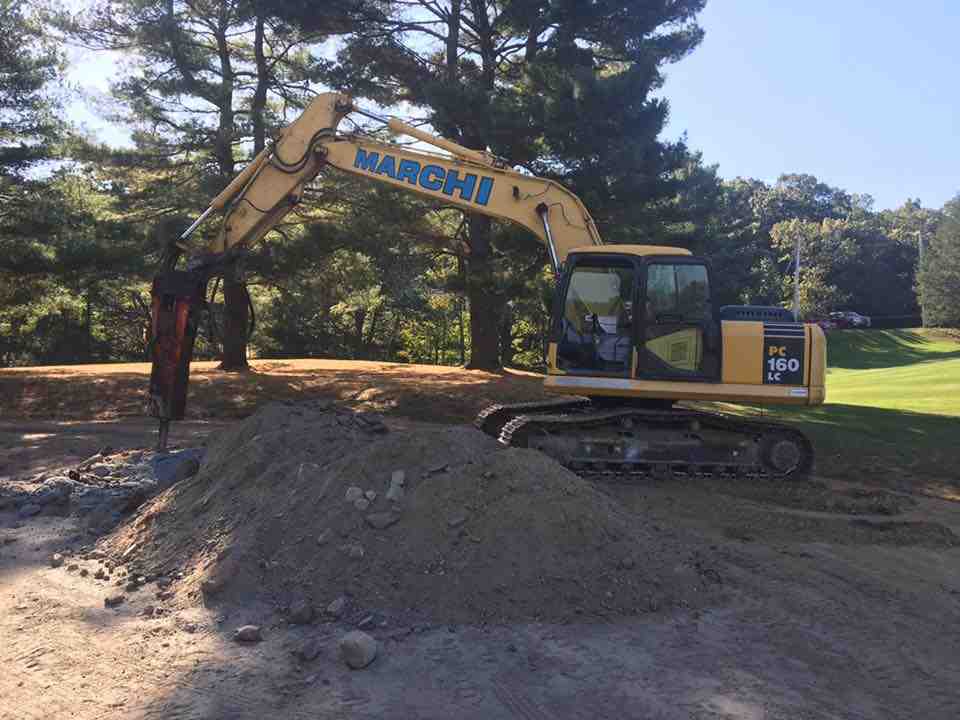

Cost to Replace 50 Feet of Sewer Line: Top Factors in 2024
Understanding the Cost to Replace 50 Feet of Sewer Line
Replacing 50 feet of sewer line can be a costly endeavor, typically ranging from $3,000 to $15,000. The cost depends on various factors like the type of materials used, accessibility of the pipe, and whether you choose traditional or trenchless methods.
Timely replacement of a sewer line is crucial to prevent further damage and skyrocketing repair costs. Ignoring warning signs like standing water, slow drains, or foul odors could lead to more severe issues, such as sewage backups or extensive property damage. Early intervention can save homeowners thousands of dollars and provide peace of mind.
At Marchi Paving Inc., we specialize in providing reliable and high-quality sewer line replacement services. Our expert team understands the complexities involved in such projects and offers efficient, cost-effective solutions custom to your needs. Whether you’re a homeowner dealing with worn-out plumbing or a property manager trying to maintain safe and accessible facilities, we’ve got you covered.

Simple guide to cost to replace 50 feet of sewer line words:
– sewage line
– sewage pipes
What is Sewer Line Replacement?
Sewer line replacement is the process of removing an old, damaged sewer line and installing a new one to restore proper plumbing flow. This is often necessary when pipes have degraded over time or have been damaged by external factors like tree roots or shifting soil.
The Process
Replacing a sewer line involves several key steps:
- Inspection and Diagnosis:
- A professional plumber will first inspect the sewer line, often using a camera, to identify the exact location and extent of the damage.
- Trench Digging:
- Traditional sewer line replacement requires digging a trench to access the damaged pipe. This trench can be located in your yard, driveway, or basement, depending on where the pipe runs.
- Removing the Old Pipe:
- Once the trench is dug, the old, damaged pipe is carefully removed.
- Installing the New Pipe:
- A new pipe is then installed in place of the old one. The type of pipe used can vary, but common materials include PVC, copper, and cast iron.
- Backfilling and Restoration:
- After the new pipe is installed, the trench is backfilled with soil, and any disrupted landscaping or concrete is restored.

Trench Digging
Digging a trench is a labor-intensive part of sewer line replacement. This process involves:
- Excavating the Ground: Contractors use heavy machinery to dig a trench to the depth required to access the sewer line. The depth can vary, but it typically ranges from 18 inches to 6 feet, depending on local building codes and climate conditions.
- Handling Obstacles: If your yard has concrete slabs, patios, or large trees, these obstacles must be removed or worked around, adding to the complexity and cost of the project.
Pipe Installation
Once the old pipe is removed, the new pipe is installed:
- Choosing the Right Material: The choice of pipe material affects both the cost and durability of your new sewer line. PVC is commonly used due to its affordability and ease of installation, while copper and cast iron are more durable but also more expensive.
- Connecting the Pipe: The new pipe is connected to your home’s plumbing system and the municipal sewer system or septic tank. This requires precise alignment and secure connections to ensure there are no leaks.
By understanding the sewer line replacement process, you can better appreciate the work involved and why costs can vary. This knowledge also prepares you to discuss options with your contractor, such as choosing between traditional and trenchless methods, which we will cover next.
Next, we’ll explore the Cost Factors of Sewer Line Replacement, including accessibility, extent of damage, and pipe materials.
Signs Your Sewer Line Needs Replacement
Recognizing the early signs of sewer line issues can save you from costly repairs and extensive property damage. Here are the key indicators that your sewer line may need replacement:
Standing Water
If you notice standing water in your sinks or bathtubs, it’s a clear sign of a blockage or crack in your sewer line. This stagnant water can lead to mold growth and other health hazards if not addressed promptly.
Slow Drains
Slow drains in your home are often the first sign of a sewer line problem. If water takes longer than usual to drain from sinks, bathtubs, or toilets, it could indicate a blockage or deteriorating pipe.
Foul Odors
Foul sewer odors emanating from your drains or yard are another telltale sign. These unpleasant smells suggest that sewage is not flowing properly due to a break or clog in the sewer line.
Gurgling Sounds
Hearing gurgling sounds from your drains? This noise often indicates an interruption in water flow, usually caused by a blockage. It’s like your plumbing system is trying to tell you something’s wrong.
Backed-Up Sewers
One of the most alarming signs is sewer backups. If sewage is coming back up through your drains, it’s a clear indication of a severe blockage or a collapsed pipe. Immediate professional intervention is required.
Sinkholes and Sunken Spots
Sinkholes or sunken spots in your yard can be a sign of a leaking sewer line. The escaping water erodes the soil, causing the ground to sink. This can lead to extensive property damage if not addressed.
Increased Pests
A broken sewer pipe can attract pests like rodents and insects. If you notice an uptick in pest activity around your home, it might be due to a sewer line issue that needs immediate attention.
High Water Bills
Unexplained high water bills can also indicate a sewer line problem. A leak or break in the sewer line means you’re losing water, which can significantly increase your water usage and costs.
If your home exhibits any of these signs, it’s crucial to act quickly. Contact a local plumber or sewer pipe professional to diagnose and address the issue before it escalates.
Next, we’ll explore the Cost Factors of Sewer Line Replacement, including accessibility, extent of damage, and pipe materials.
Cost Factors of Sewer Line Replacement
Accessibility and Conditions
The accessibility of your sewer pipe plays a big role in the overall cost. If your sewer pipes are located under concrete slabs in your driveway or beneath a patio, the labor intensity skyrockets. Contractors need to drill through or dig up the concrete, which takes more time and effort.
On the other hand, if your pipes are under a grassy yard, the job is significantly easier and cheaper. The labor involved is less intensive, making the replacement process faster and more affordable.
Weather Conditions
Climate conditions also affect the cost. In cold-weather climates, like Cincinnati, digging through frozen ground can be a challenge. Contractors have to work harder to access the pipes, increasing both labor time and costs.
Additionally, the cost of required permits for digging can vary based on your location. Some areas may charge more, adding to your overall expenses.
Pipe Materials
Choosing the right pipe material is crucial for both cost and durability. Here are some common options:
- PVC (Polyvinyl Chloride): Affordable and widely used. Costs around $120–$320 for 40 feet.
- Cast Iron: Durable but expensive. Costs range from $800–$3,000 for 40 feet.
- Copper: Highly durable but the most expensive. Costs between $1,200–$3,200 for 40 feet.
PVC pipes are generally the most cost-effective, but copper and cast-iron pipes offer longer-lasting solutions. The choice depends on your budget and how long you plan to stay in your home.
Next, we’ll dive into the Cost to Replace 50 Feet of Sewer Line, providing an average cost range and a detailed breakdown of expenses.
Cost to Replace 50 Feet of Sewer Line
Replacing 50 feet of sewer line is a significant project, and understanding the costs involved can help you budget effectively. Let’s break down the expenses.
Average Cost Range
The average cost to replace 50 feet of sewer line typically ranges from $2,500 to $12,500. This broad range depends on several factors, including the pipe material, labor costs, and whether you opt for traditional or trenchless methods.
Per Foot Cost
The cost per linear foot for sewer line replacement varies between $50 and $250. For 50 feet, this translates to a total estimate of $2,500 to $12,500.
Detailed Cost Breakdown
Labor Costs
Labor is a significant part of the total expense. Professional plumbers usually charge between $150 and $500 per hour. For a 50-foot replacement, labor costs can range from $1,500 to $5,000, depending on the complexity and accessibility of the job.
Material Costs
Material costs vary by type:
- PVC: $150–$400 for 50 feet
- Cast Iron: $1,000–$3,750 for 50 feet
- Copper: $1,500–$4,000 for 50 feet
PVC is the most affordable option, while copper is the most expensive but offers greater durability.
Additional Fees
Additional costs can include:
- Permits: $100–$500
- Inspection Fees: $100–$500
- Hauling Away Old Pipes: $200–$500
Landscape Recovery
After the sewer line is replaced, you’ll need to restore your yard. Costs for yard repair can range from $0.50 to $2 per square foot for resodding, and $1 to $15 per square foot for driveway repair.
Unpredictable Expenses
Unexpected issues like finding hazardous materials or additional pipe damage can increase costs. Always budget a little extra for these surprises.
Trenchless Sewer Line Replacement
Trenchless methods offer an alternative to traditional digging. These methods are less disruptive and often quicker.
Pipe Lining
Cured-in-place pipe lining (CIPP) involves inserting a resin-coated liner into the old pipe. This method costs around $90–$250 per linear foot, making it $4,500 to $12,500 for 50 feet.
Pipe Bursting
Pipe bursting involves pulling a new pipe through the old one, breaking the old pipe apart. This method costs about $60–$200 per linear foot, totaling $3,000 to $10,000 for 50 feet.
Cost Comparison
Although trenchless methods can be pricey per foot, they often save money on landscape recovery and reduce disruption. For example, while traditional methods might cost $50–$250 per linear foot, trenchless methods like CIPP and pipe bursting can be more cost-effective overall due to lower restoration costs.
Next, we will explore Alternatives to Full Sewer Line Replacement, including sewer cleaning and various trenchless repair methods.
Alternatives to Full Sewer Line Replacement
When it comes to fixing sewer line issues, a full replacement isn’t always necessary. There are several effective alternatives that can save you time, money, and hassle.
Sewer Cleaning
Sewer cleaning is often the first step. Technicians start with a camera inspection to identify the problem. A small, high-tech camera is slid through the pipeline, giving a clear view of any clogs or blockages.
If a clog is found, hydro jetting or snaking can clear it out. This method is quick and cost-effective, often costing between $100 and $800 depending on the severity of the blockage.
Trenchless Repair Methods
Trenchless repair methods offer a less invasive way to fix sewer lines, avoiding the need to dig up your yard.
Pipe Lining
One popular trenchless method is pipe lining. Also known as cured-in-place pipe (CIPP), this technique involves inserting a flexible liner coated with epoxy resin into the damaged pipe. The liner is then inflated and cured, creating a new pipe within the old one.
- Cost: Between $90 and $250 per linear foot, making it $4,500 to $12,500 for 50 feet.
- Benefits: Minimal digging, quick process, and long-lasting results.
Pipe Bursting
Another effective trenchless method is pipe bursting. This involves creating small access points at either end of the damaged pipe. A new pipe is then pulled through the old one, breaking apart the old pipe as it goes.
- Cost: Approximately $60 to $200 per linear foot, totaling $3,000 to $10,000 for 50 feet.
- Benefits: Essentially a brand-new pipe with no major excavation, saving you from extensive landscape recovery costs.
Cost Comparison
While trenchless methods like pipe lining and pipe bursting can seem pricey per foot, they often save money in the long run. Traditional methods might cost $50 to $250 per linear foot, but trenchless repairs reduce landscape recovery costs and minimize disruption.
Trenchless techniques are not only cost-effective but also more convenient, often completed in just one day with little to no downtime for your home plumbing.
Next, we’ll answer some Frequently Asked Questions about Sewer Line Replacement, helping you understand the lifespan of sewer lines, how to identify a broken line, and more.
Frequently Asked Questions about Sewer Line Replacement
How Many Years Does a Sewer Line Last?
The lifespan of a sewer line can vary widely based on the material used and the conditions it’s exposed to. Here’s a quick breakdown:
- Clay Pipes: Typically last 50 to 60 years.
- Cast-Iron Pipes: Can last from 75 to 100 years.
- ABS or PVC Pipes: Often last up to 100 years.
External factors like tree roots, soil conditions, and how the system is used can also impact longevity.
How Do You Know if Your Sewer Line is Broken?
Identifying a broken sewer line can be tricky, but there are several telltale signs:
- Sewage Backup: If you see water backing up in your sinks, tubs, or toilets, it’s a major red flag.
- Foul Odors: A persistent sewage smell inside or outside your home often indicates a break or leak.
- Mold: Unusual mold growth on walls or floors can be a sign of a hidden sewer line leak.
- Slow Drains: Multiple slow drains in your home usually point to a bigger issue than just a simple clog.
- Lush Grass Patches: Extra green or lush patches in your yard can indicate a leaking sewer line is fertilizing the grass.
- Lawn Indentations: Sunken spots in your yard might mean the ground is settling over a collapsed pipe.
- Foundation Cracks: Cracks in your home’s foundation could be caused by shifting soil due to a leaking sewer line.
- Pools of Septic Waste: Visible pools of wastewater in your yard are a clear sign of a serious sewer line problem.
How Deep Are Sewer Lines Buried?
The depth at which sewer lines are buried can vary depending on the region and local building codes:
- General Range: Sewer lines are usually buried between 18 to 30 inches deep.
- Colder Climates: In areas with freezing temperatures, lines are often buried deeper, around 4 to 8 feet, to prevent them from freezing.
- Urban Areas: In cities, they might be buried 5 to 6 feet deep to avoid other underground utilities.
Understanding the depth and location of your sewer line is crucial for any repair or replacement project. This helps avoid unnecessary digging and ensures a smoother process.
Next, we’ll wrap up with a conclusion that emphasizes the importance of timely action and cost considerations for sewer line replacement.
Conclusion
In conclusion, replacing a sewer line is a significant undertaking, but it’s crucial for maintaining the health and functionality of your home’s plumbing system. Ignoring the signs of a failing sewer line can lead to more severe damage and higher repair costs down the road.
Timely Action is Key
Taking prompt action when you notice issues like slow drains, foul odors, or unusual patches of lush grass can save you a lot of trouble and money. Early intervention often means less extensive repairs and lower costs. For example, addressing minor clogs or small cracks early on can prevent the need for a full sewer line replacement.
Cost Considerations
When considering the cost to replace 50 feet of sewer line, several factors come into play, including:
- Labor Costs: These can vary based on the complexity of the job and local labor rates.
- Material Costs: The type of pipe material (PVC, cast iron, etc.) will affect the overall cost.
- Accessibility: Easier access to the sewer line means lower costs, while obstructions like concrete slabs or tree roots can increase the price.
- Weather Conditions: In colder climates, deeper digging might be necessary, adding to the cost.
On average, the cost to replace 50 feet of sewer line can range from $2,750 to $12,500, depending on these factors. For a more precise estimate, it’s always a good idea to get a detailed quote from a trusted contractor like Marchi Paving Inc..
Why Choose Marchi Paving Inc.?
At Marchi Paving Inc., we specialize in sewer line replacements and repairs, offering reliable and efficient solutions custom to your needs. Our experienced team uses state-of-the-art equipment to ensure high-quality results with minimal disruption to your property. We also provide free estimates, helping you plan your project with confidence.
If you suspect a sewer line issue or need a replacement, don’t hesitate to contact us for a detailed quote and expert advice. Taking action now can prevent more significant problems in the future, ensuring your home’s plumbing system remains in top condition.
By acting promptly and considering all cost factors, you can make an informed decision that benefits both your home and your wallet. Thank you for trusting Marchi Paving Inc. with your sewer line replacement needs.
Commercial Snow Removal Contract: Top Tips & Benefits 2024
A commercial snow removal contract is a crucial agreement for businesses operating in snowy climates. These contracts ensure that properties such as apartment buildings, parking lots, and retail establishments remain safe and accessible during wintery conditions. If you’re looking for quick answers, here’s a brief comparison:
- Commercial contracts: Typically seasonal, cover large areas, require more equipment, higher liability
- Residential contracts: Flexible, smaller areas, different payment options (seasonal, per push, per event)
Commercial snow removal contracts are not just about clearing snow. They address liability for safety, the use of proper equipment, and ensuring that the property is accessible during and after storms. Whether you manage a business with heavy foot and vehicle traffic, or a homeowner with a driveway to clear, understanding these contracts is essential. Let’s dive deeper to explore the unique aspects of commercial snow removal agreements and why they are vital.

Types of Commercial Snow Removal Contracts
When it comes to commercial snow removal contracts, there are several types to consider. Each has its own pricing structure, services rendered, and materials used. Understanding these can help you choose the best contract for your needs.
Time and Material Contract
A time and material contract bases its pricing on the actual services rendered whenever a job is completed. This means your service fee per job will depend on:
- Amount of time spent on the job
- Materials used (e.g., salt, de-icing products, fuel)
- Labor involved
- Amount of snow cleared
This type of contract offers flexibility but can be financially unpredictable. If there’s little snow, you earn less. However, it’s excellent for areas with unpredictable snowfall.
Per Inch Contract
A per inch contract is a tiered system where you charge based on the volume of snow accumulated. For example:
- 0-3 inches: $X rate
- 3-6 inches: $Y rate
- 6+ inches: $Z rate
This contract type is ideal for areas with varying snowfall amounts. It ensures you get paid more for more work, which can be beneficial in regions with heavy snowfall.
Pay Per Push Contract
A pay per push contract offers a fixed rate for each occurrence, regardless of the amount of snowfall, time spent, or labor involved. Here’s how it works:
- Each visit to clear snow: $X rate
This contract provides stability for both the contractor and the client. You know exactly how much you’ll earn each time you clear snow, which can be reassuring during unpredictable winter weather.
Seasonal Contract
A seasonal contract, also known as a fixed-fee contract, involves a single fee for all snow removal work over a set period, typically a season. This contract type includes:
- Fixed fee: $X for the entire season
- Set period: Usually a winter season, but could extend for multiple years
Seasonal contracts are great for areas with consistent snowfall. They offer financial predictability and can include clauses for climate change stipulations, ensuring both parties are covered if weather patterns shift unexpectedly.
Choosing the right contract type depends on your specific needs and local weather conditions. Each type has its own benefits and drawbacks, so consider what works best for your situation.

Next, we’ll dive into the key components of a commercial snow removal contract to ensure you know what to include in your agreement.
Key Components of a Commercial Snow Removal Contract
A well-structured commercial snow removal contract is essential for a successful partnership. It should cover three main areas: work performance and standards, insurance coverage, and payment structure. Let’s break these down.
Work Performance and Standards
Scope of Work: Clearly define the tasks your snow removal service will perform. This includes specifics like sanding, salting, and the removal of snow. For example, your contract could specify that all parking lots, sidewalks, and entryways will be cleared.
Equipment and Crew Size: Outline the type of equipment you’ll use, such as trucks, loaders, or ATVs, and the size of the crew needed for the job. Larger commercial properties will require more resources.
Response Times: Set expectations for how quickly you will respond to snow events. Consistent response times build trust and ensure the safety of the property.
Insurance Coverage
General Liability: Snow removal businesses face high risks of property damage and injury. General liability insurance covers accidents like damaging a client’s mailbox or a slip-and-fall incident on an icy walkway.
Property Damage: This coverage takes care of any accidental damage to the client’s property during snow removal. For instance, if a plow accidentally hits a fence, this insurance will cover the repair costs.
Injury Protection: Protect your business from lawsuits related to injuries sustained during your snow removal operations. This is crucial for maintaining your financial stability and reputation.
Payment Structure
Billing: Clearly state how you will bill for your services. This could be a flat rate, per inch of snowfall, or per push. Each method has its own advantages, so choose what aligns best with your business model.
Payment Terms: Specify when payments are due and what happens if payments are delayed. For example, you could include a clause that adds interest to overdue payments to encourage timely settlements.
Delayed Payments: Outline the consequences of delayed payments. This could involve late fees or other penalties. Transparency in this area helps avoid disputes and ensures a smooth financial relationship.
By covering these key components, your commercial snow removal contract will be comprehensive and clear, setting the stage for a successful and professional relationship.
Next, we’ll guide you through how to write a commercial snow removal contract, including all the essential elements you need to include.
How to Write a Commercial Snow Removal Contract
Writing a commercial snow removal contract involves several key elements to ensure clarity and mutual understanding between you and your client. Here’s a step-by-step guide to help you craft an effective contract:
Business Information
Start with your business details. This includes your company name, address, contact information, and business registration number. Providing this upfront establishes your legitimacy and professionalism.
Property Address
Clearly state the address of the property where the snow removal services will be performed. This prevents any confusion about the location and ensures the correct site is serviced.
Customer Information
Include the client’s name, contact information, and billing address. Keeping this information handy ensures smooth communication and billing processes.
Terms of Agreement
Outline the duration of the contract. Specify the start and end dates, and include any provisions for renewal or termination. This sets the expectations for how long the services will be provided.
Payment Schedule
Detail the payment structure. Indicate whether the client will be billed per push, per inch, or on a seasonal basis. Include the payment due dates and any late fees for delayed payments. Transparency here helps avoid disputes.
Description of Property
Provide a detailed description of the areas to be serviced. This might include parking lots, driveways, sidewalks, and entryways. Be specific to avoid any misunderstandings about which areas are included in the contract.
Scope of Services
List all the services you will provide. This could include:
- Snow plowing
- Snow removal
- Deicing
- Salting
- Sanding
Include the frequency of these services and any conditions, such as starting snow removal after a certain depth of snow accumulation.
Terms and Conditions
Define the general terms and conditions of the contract. This section should cover:
- Liability: Specify who is responsible for any damages incurred during the snow removal process.
- Insurance: Indicate the types of insurance coverage you have, such as general liability and worker’s compensation.
- Breach of Contract: Outline the actions to be taken if either party fails to meet their contractual obligations. This could include penalties or the right to terminate the contract.
By including these elements, your commercial snow removal contract will be detailed and clear, providing a solid foundation for a professional relationship.
Next, we’ll share some tips for winning commercial snow removal contracts, including how to stand out from the competition.
Tips for Winning Commercial Snow Removal Contracts
Fill Out Big Proposals
To secure major commercial snow removal contracts, you need to aim high. Start by targeting large entities like hospitals, universities, and government buildings. These contracts can be complex, so consider hiring a consultant to help you craft compelling proposals.
Pro Tip: Large proposals require detailed documentation. Highlight your experience, list your equipment, and emphasize your capacity to handle extensive snow removal tasks.
Invest in Fleets of ATVs
All-terrain vehicles (ATVs) can be a game-changer for your snow removal business. ATVs are cheaper to operate than traditional snowplows and can steer tight spaces more efficiently. They also consume less fuel, making your services more cost-effective.
Benefits of ATVs:
– Cost-Effective: Lower operating costs compared to large trucks.
– Fuel Efficiency: Reduced fuel consumption keeps costs down.
– Navigation: Better maneuverability in smaller areas.
Ensure Preventative Maintenance
Preventative maintenance is crucial for keeping your snowplow fleet in top condition. Regular maintenance helps avoid costly repairs and ensures your vehicles are always ready for action. Keep detailed records on vehicle mileage, engine performance, and key system diagnostics.
Why It Matters:
– Cost Control: Prevents expensive emergency repairs.
– Vehicle Safety: Ensures your fleet is safe and reliable.
– Operational Efficiency: Minimizes downtime and keeps your fleet running smoothly.
Leverage Real-Time Vehicle Tracking
Real-time vehicle tracking is a powerful tool for maximizing operational efficiency. GPS tracking allows you to monitor your fleet in real-time, optimize plowing routes, and maintain safety standards. This data can make your bids more competitive by showcasing your commitment to efficiency and cost-effectiveness.
Advantages of GPS Tracking:
– Operational Efficiency: Optimizes routes and reduces fuel consumption.
– Safety: Improves safety measures through constant monitoring.
– Cost Control: Helps manage and minimize operational costs.
By following these tips, you’ll be well on your way to winning lucrative commercial snow removal contracts. Next, let’s explore how to write a commercial snow removal contract that stands out.
Frequently Asked Questions about Commercial Snow Removal Contracts
How do you write a snow removal contract?
Writing a commercial snow removal contract involves several key steps. Here’s a simple breakdown:
- Business Information: Start with your business name, address, and contact information.
- Property Address: Include the address of the property where the snow removal will take place.
- Customer Information: Add the client’s name, address, and contact details.
- Terms of Agreement: Clearly state the start and end dates of the contract.
- Payment Schedule: Outline how and when payments should be made.
- Description of Property: Provide a detailed description of the areas to be serviced.
- Scope of Services: Specify the services you will provide, such as plowing, salting, and deicing.
- Terms and Conditions: Include clauses for cancellation, breach of contract, and any other legal stipulations.
How do I bill for snow removal?
Billing for snow removal can vary depending on the type of contract you have. Here are some common methods:
- Flat Rate: Charge a fixed amount for the entire season or a set period.
- Per Inch: Bill based on the amount of snow that falls, using a tiered pricing system.
- Additional Amount: Include extra charges for services like salting or deicing that are not part of the standard contract.
How do I price a commercial snow removal contract?
Pricing a commercial snow removal contract involves several factors:
- Rate Options: Consider whether you will use a flat rate, per inch, or per push pricing.
- Labor Costs: Calculate the cost of your crew, including wages and benefits.
- Area Size: Measure the total area that needs to be serviced to determine the amount of time and equipment required.
These components will help you create a comprehensive and competitive pricing model for your snow removal services.
By addressing these key elements, you can create a robust and clear commercial snow removal contract that meets both your needs and those of your clients.
Conclusion
At Marchi Paving Inc., we understand the importance of a well-structured commercial snow removal contract. Such contracts not only ensure clear communication but also protect both parties from potential misunderstandings and legal issues.
A well-drafted commercial snow removal contract outlines the scope of work, performance standards, insurance coverage, and payment structures. This clarity helps to set expectations and provides a roadmap for both the service provider and the client.
Benefits of a Well-Structured Contract:
- Clear Expectations: Detailed contracts specify the exact services provided, such as sanding, salting, and snow removal, ensuring that clients know what to expect.
- Risk Management: Including insurance coverage details in the contract can protect against property damage and personal injury claims.
- Financial Stability: Clearly defined payment structures, whether seasonal, per inch, or per push, help manage cash flow and financial planning.
- Professionalism: A comprehensive contract improves your credibility and builds trust with clients, showcasing your commitment to quality and reliability.
By investing in a well-structured contract, you safeguard your business and provide peace of mind to your clients.
For more information about our commercial snow removal services, visit our Commercial Snow Removal page.
With Marchi Paving Inc., you get more than just a service provider—you gain a partner dedicated to excellence in every snowfall.
Ready to secure your commercial property this winter? Contact us today to get started with a custom snow removal plan!
Local Excavation Companies: Top 5 Trusted Picks in 2024
Finding Reliable Local Excavation Companies: Your Go-To List
When starting on a construction or renovation project, finding local excavation companies you can trust is crucial. These companies form the backbone of any successful project, preparing the land and laying a strong foundation. Whether you’re a homeowner looking to install a new driveway or a property manager needing site preparation, the right excavation team can make a world of difference.
Quick Takeaways:
1. Hire licensed, bonded, and insured professionals.
2. Ensure they have modern, well-maintained equipment.
3. Check for positive reviews and reliable references.
4. Get detailed estimates and clear contracts.
5. Check for erosion and sediment control certifications.
Excavation involves heavy-duty tasks such as trenching, land clearing, and grading. Attempting to handle these jobs on your own—or hiring an unqualified team—can lead to serious issues like hitting utility lines or causing foundation instability. Local excavation companies not only have the expertise to avoid such problems, but they also know the specific regulations and permit requirements in your area.
Whether you need a small backyard dug out for a pool or a large commercial site prepped for building, choosing the right local professionals is critical for ensuring your project runs smoothly and efficiently.

Find more about local excavation companies:
– best excavation services near me
– bulldozer work near me
– excavator repair service near me
How to Choose the Best Local Excavation Companies
Choosing the right local excavation companies can make or break your project. Here are key factors to consider:
Certification, Licensing, and Insurance
Always check if the company is certified, licensed, and insured. Certification ensures they meet industry standards. Licensing shows they comply with local regulations. Insurance protects you from liability in case of accidents.
Example: Marchi Paving, Inc. is fully licensed and insured, giving you peace of mind.
Erosion Control
Ask if the company has Erosion and Sediment Control certification. This ensures they know how to manage soil and prevent erosion during excavation.
Tip: Inquire about their erosion control plan for your project.
Equipment Ownership
Find out if the company owns or rents their equipment. Owning equipment often means they can start work faster and offer more reliable service.
Fact: Companies with up-to-date, well-maintained equipment can complete projects more efficiently.
Site Visit
A reputable company will conduct a site visit before giving a quote. This helps them understand the project scope and any potential challenges.
Story: One homeowner in San Diego appreciated a company that did a thorough site visit, avoiding unexpected costs later.
Detailed Estimate
Get a detailed estimate that includes all costs—equipment, labor, permits, and any potential extra charges.
Example: Marchi Paving, Inc. provides comprehensive estimates, so there are no surprises.
Contract and Warranty
Ensure you get a detailed contract outlining the scope of work, timelines, and payment schedule. A warranty on their work adds an extra layer of security.
Tip: Never pay in full upfront. Follow a payment plan instead.
By focusing on these factors, you can confidently choose the best local excavation company for your project. Next, let’s explore some top local companies you might consider.
Common Excavation Services Offered by Local Companies
Understanding the range of services offered by local excavation companies can help you choose the right provider for your project. Here are some of the most common services:
Trenching
Trenching is essential for laying the groundwork for utilities like electric, water, and sewer lines. Local companies use various techniques to ensure precision and safety, navigating unique terrains efficiently.
Grading
Grading involves leveling the land to create a stable foundation for construction. This process is crucial for preventing water drainage issues and ensuring the longevity of the structure. Costs for grading and leveling range from $1 to $4 per square foot on average, depending on the complexity of the project.
Land Clearing
Land clearing is the first step in preparing a site for construction. It involves removing vegetation, rocks, and old structures. This service ensures a clean slate for new projects. Professional land clearing can cost between $350 to $1,000 for an acre, depending on the condition of the land and the extent of debris removal needed.
Foundation Excavation
Foundation excavation is critical for creating a solid base for buildings. This involves digging out the area where the foundation will be laid, ensuring it is level and stable. This service is often priced between $1,500 to $10,000, depending on the size and complexity of the foundation.
Utility Installation
Installing underground utilities such as water, sewer, and electrical lines requires precise excavation work. Companies are well-versed in this, offering services that include everything from electric and solar lines to septic systems.
Concrete Demolition
Concrete demolition involves breaking down and removing concrete structures like driveways, patios, and foundations. This service is crucial for renovation projects and new constructions. Costs can vary widely based on the size and type of the concrete structure being removed.
Site Preparation
Site preparation encompasses all activities required to ready a piece of land for construction. This includes land clearing, grading, and excavation. Comprehensive site work ensures that your project starts on a solid foundation.
These services are essential for various construction projects, from residential builds to large commercial developments. Understanding what each service entails can help you make informed decisions when hiring local excavation companies.
Cost of Excavation Services
Understanding the cost of excavation services is crucial for planning your project budget. Here’s a breakdown of what you can expect.
Average Costs
On average, excavation costs range from $2.50 to $15.00 per cubic yard or $1,100 to $5,600 total. The cost varies based on the project type, size, and other factors like soil type and site accessibility.
Factors Affecting Cost
Several factors can influence the overall cost of excavation:
- Site Accessibility and Conditions: Difficult terrain or limited access can require specialized equipment and additional labor, increasing costs.
- Soil Composition and Stability: Rocky or unstable soil can necessitate heavier equipment and more effort, driving up expenses.
- Project Size and Depth: Larger and deeper excavations need more resources, including labor and machinery.
- Required Equipment and Techniques: Specialized machinery or techniques like rock blasting can significantly add to the cost.
- Site Preparation and Cleanup: Clearing vegetation, removing debris, and disposing of materials all contribute to the overall cost.
Project Types
Different types of projects have varying excavation costs:
- In-ground Swimming Pools: $1,000 to $5,000
- Driveways or Patios: $1,000 to $2,500
- Basements for New Construction: $1,500 to $10,000
- Foundation Pads for New Home Sites: $1,500 to $10,000
Hourly Rates
The cost can also be broken down into hourly rates:
- Trained Operator with Equipment: $100 to $300 per hour
- Operator Using Rented Mini Excavator: $50 to $150 per hour
Equipment Rental
If you opt to rent equipment separately, the costs can vary. Renting a mini excavator, for example, typically costs between $50 and $150 per hour. Always factor in delivery fees and any additional costs for specialized attachments.
Understanding these cost components will help you budget effectively and avoid unexpected expenses. Next, we’ll answer some frequently asked questions about local excavation companies.
Frequently Asked Questions about Local Excavation Companies
How do you estimate excavation costs?
Estimating excavation costs involves several key factors:
Calculation Method: The primary method involves calculating the volume of earth to be moved. This is typically measured in cubic yards.
Volume Estimation: To estimate the volume, measure the length, width, and depth of the area to be excavated. Multiply these dimensions to get the cubic yardage.
Cost Per Unit: Excavation costs range from $2.50 to $15.00 per cubic yard. The price varies based on soil type, project complexity, and site accessibility.

Is there money in excavation?
Yes, excavation can be profitable, but it requires careful management. Here’s why:
Profitability: A well-managed excavation business can be lucrative. Average costs for projects can range from $1,100 to $5,600. Operators can charge $100 to $300 per hour, depending on their equipment and expertise.
Business Management: Success depends on efficient project management, accurate cost estimation, and effective marketing. Maintaining a good reputation through quality work and customer service is crucial.
Customer Base: A diverse customer base, including homeowners, builders, and municipalities, can provide steady work. Offering specialized services like erosion control or utility installation can also attract more clients.
What is the difference between excavation and excavating?
Definition: Excavation is the broader term for the process of moving earth, rock, or other materials. It involves digging, trenching, and removing dirt to prepare a site for construction.
Scope: Excavation often includes additional tasks like land clearing, grading, and leveling. It’s used in various projects like building foundations, installing utilities, and creating landscapes.
Activities Involved: Excavating is the act of digging or removing earth. It’s a part of the overall excavation process, which may also involve breaking up rocky soil, removing boulders, or using explosives for hard rock.

Understanding these basics can help you steer the complexities of hiring and working with local excavation companies.
Conclusion
Choosing the right local excavation company can make or break your project. Whether you’re preparing a site for a new home, installing utilities, or removing an old swimming pool, the expertise and reliability of your excavation contractor are crucial.
Summary
We’ve covered a lot in this article—from understanding what excavation entails to how to choose the best local companies. We’ve also highlighted the common services offered and the costs involved. By now, you should have a good grasp of what to look for in an excavation contractor.
Choosing the Right Company
When selecting an excavation company, consider factors like experience, range of services, and the quality of equipment they use. Check their licensing and insurance to ensure they meet local regulations. Don’t forget to read reviews and ask for references to get a sense of their reputation.
Marchi Paving Inc.
At Marchi Paving Inc., we pride ourselves on delivering top-notch excavation services. With over 20 years of experience, we offer a comprehensive range of services, including land clearing, foundation excavation, and concrete demolition. Our state-of-the-art equipment and skilled team ensure that your project is completed efficiently and to the highest standards.
Ready to start your project? Contact us today to get a detailed quote and experience the Marchi Paving difference.

