

Hydro Excavation Services Near Me: Top 5 Reliable Options
Why Hydro Excavation Services Near Me Are Essential
Looking for hydro excavation services near me? You’ve come to the right place! Here’s what you need to know upfront:
- Non-destructive: Safely exposes underground utilities without damage.
- Safe Digging: Minimizes risk to workers and the environment.
- Efficient: Faster and cleaner than traditional excavation methods.
Hydro excavation uses high-pressure water and a powerful vacuum to uncover underground utilities like cables, pipes, and sewers. This non-destructive method is not only safer but also much more precise. Older techniques like manual digging or using heavy equipment can be risky, often guessing at where utilities are located, which can lead to dangerous and costly mistakes.
Choosing hydro excavation ensures your project progresses smoothly, without unexpected disruptions. It’s a smarter, safer way to dig, whether it’s for pipeline installation, utility repair, or environmental reclamation.

Hydro excavation services near me definitions:
– drainage and excavation services near me
– mini excavator service near me
– local excavation companies
Hydro excavation is a modern method of digging that uses pressurized water and a high-pressure vacuum to safely and efficiently remove soil. Here’s how it works:
How It Works
- Pressurized Water
- High-pressure water is sprayed into the ground to break up the soil. This turns the soil into a slurry, a mix of water and dirt.
- High-Pressure Vacuum
- A powerful vacuum system then sucks up the slurry, transporting it through a hose into a debris tank on the truck.
Components
- Soil Removal: The pressurized water breaks the soil into small particles, making it easier to remove.
- Slurry: The mixture of water and soil created during the hydro excavation process.
- Debris Tank: The tank on the truck where the slurry is stored after being vacuumed up.
Advantages
- Non-Destructive: Unlike traditional digging methods, hydro excavation is non-destructive, meaning it doesn’t damage existing underground utilities.
- Precision: The process allows for very precise digging, reducing the risk of hitting and damaging underground utilities.
- Safety: It’s safer for both workers and the environment, as it minimizes the risk of accidents and reduces the impact on the surrounding area.
Real-World Example
Marchi Paving Inc., a leader in industrial and environmental services, uses hydro excavation to safely expose underground utilities. Their expert team and advanced equipment ensure efficient and precise digging, making them a top choice for those searching for hydro excavation services near me.
By using hydro excavation, you can avoid the risks and inefficiencies of traditional excavation methods. This innovative approach is ideal for projects requiring safe and precise digging, such as utility installation, environmental reclamation, and pipeline construction.
Next, we’ll explore the benefits of hydro excavation and why it’s becoming the preferred method for many digging projects.
Benefits of Hydro Excavation
Hydro excavation offers several key benefits that make it an attractive option for various digging projects. Below are the main advantages:
Less Site Disturbance
Unlike traditional digging methods, hydro excavation minimizes site disturbance. The process is highly targeted, which means only the necessary amount of soil is removed. This is especially beneficial in urban areas where minimizing disruption is crucial.
Precise Excavation
With hydro excavation, you get precise and accurate digging. The high-pressure water and vacuum system allow for controlled soil removal, making it easier to avoid damaging underground utilities like gas lines, fiber-optic cables, and water pipes. This precision reduces the risk of costly repairs and project delays.
Environmentally Friendly
Hydro excavation is more environmentally friendly than traditional methods. It reduces the amount of disturbed soil, which helps prevent erosion and sediment runoff into nearby water bodies. Additionally, the process uses water, a natural resource, to break up the soil, making it a more sustainable option.
Safe
Safety is a major advantage of hydro excavation. The method reduces the risk of accidents and injuries associated with traditional digging equipment like backhoes and bulldozers. The non-destructive nature of hydro excavation ensures that existing underground utilities remain intact, reducing the likelihood of hazardous leaks or explosions.
Cost-Effective
Hydro excavation is cost-effective in the long run. By minimizing the risk of damaging underground utilities, it reduces the potential for costly repairs and project delays. The precision and efficiency of the process also mean that projects can be completed faster, saving on labor costs.
Efficient
Efficiency is another strong point of hydro excavation. The process is quicker than traditional digging methods, allowing for faster project completion. The ability to dig precisely also means less time spent on site restoration afterward.
No Mess
One of the standout benefits of hydro excavation is that it leaves no mess. The slurry created during the process is immediately vacuumed up and stored in a debris tank, leaving the site clean. This is particularly useful in sensitive areas where maintaining a tidy environment is important.
Nondestructive
Finally, hydro excavation is a nondestructive method. It eliminates the risk of damaging underground utilities, making it a safer and more reliable option for projects that require careful digging. This feature is especially important for industries like utilities, municipalities, and construction.
Next, we’ll explore the applications of hydro excavation and how this method is used in various industries.
Applications of Hydro Excavation
Hydro excavation is a versatile and valuable method for many industries. Here are some key applications:
Line Locating
One of the primary uses of hydro excavation is line locating. This involves exposing underground utilities like gas lines, fiber-optic cables, and water pipes. Traditional digging methods can damage these lines, leading to costly repairs and potential hazards. Hydro excavation, with its precise water and vacuum system, ensures safe and accurate exposure of these utilities.
Utility Excavation
Utility excavation is another crucial application. Whether you need to install new utilities or repair existing ones, hydro excavation offers a safe and efficient solution. The method’s precision minimizes the risk of damaging existing infrastructure, making it ideal for urban environments where utilities are densely packed.
Slot Trenching
For projects requiring narrow trenches, slot trenching with hydro excavation is the way to go. This method is perfect for installing cables, pipes, or other utilities in tight spaces. The high-pressure water creates precise trenches, and the vacuum system immediately removes the debris, leaving a clean and accurate trench.
Tunneling
Tunneling is often needed in construction and infrastructure projects. Hydro excavation provides a non-destructive way to create tunnels, even in challenging soil conditions. The method’s precision and efficiency make it suitable for creating tunnels for pipes, cables, and other utilities.
Contamination Spills
Hydro excavation is also effective for dealing with contamination spills. The vacuum system can quickly remove contaminated soil and slurry, reducing the risk of further environmental damage. This makes it an essential tool for environmental cleanup projects.
Cleaning Heavy Sludge
Finally, hydro excavation is excellent for cleaning heavy sludge. Whether it’s in industrial settings or municipal wastewater treatment plants, the high-pressure water and powerful vacuum can efficiently remove thick sludge. This ensures that facilities remain operational and clean.
Next, we’ll discuss how to choose the best hydro excavation services near me and what factors to consider for making an informed decision.
When searching for the best hydro excavation services near me, there are several key factors to consider. These will help ensure you choose a provider that meets your needs and delivers quality service.
Experience
Experience is crucial. Look for companies with a proven track record in hydro excavation. Marchi Paving Inc., for example, has extensive expertise in industrial and environmental services. Their extensive experience ensures they can handle various excavation challenges efficiently and safely.
Equipment
The quality of equipment used by the service provider can significantly impact the outcome of your project. Modern, well-maintained machinery is essential for efficient and precise excavation. Ensure the provider uses advanced technology to achieve the best results.
Safety Standards
Safety should be a top priority. Check if the company adheres to high safety standards and certifications. Marchi Paving Inc. follows stringent safety protocols to prevent accidents and protect underground utilities. This commitment to safety ensures that the company maintains the safest excavation practices.

Customer Reviews
Customer reviews provide valuable insights into the reliability and quality of the service provider. Look for companies with consistently high ratings and positive feedback. Satisfied customers often highlight the company’s professionalism, efficiency, and quality of work.
Service Range
A broad range of services indicates the provider’s capability to handle different excavation needs. Companies like Marchi Paving Inc. offer various services such as hydro excavation, potholing, daylighting, and more. This versatility ensures that all your excavation requirements can be met by a single provider, simplifying project coordination.
Top 5 Tips for Finding the Best Hydro Excavation Service
- Check Experience: Look for companies with a long history in hydro excavation.
- Verify Equipment Quality: Ensure they use modern, well-maintained machinery.
- Confirm Safety Standards: Choose providers with certifications and stringent safety protocols.
- Read Customer Reviews: Look for high ratings and positive feedback.
- Assess Service Range: Opt for companies offering a comprehensive range of services.
By focusing on these factors, you can find a reliable and skilled hydro excavation service near me that will ensure your project runs smoothly and safely, saving you time, money, and stress.
Next, we’ll explore the top 5 hydro excavation services near me to help you make an informed choice.
Top 5 Hydro Excavation Services Near Me
Service #1
This service excels in high-pressure water and vacuum system technology. The high-pressure water breaks down the soil, creating a slurry that the vacuum system then removes and stores in a debris tank on the truck. This method ensures precise excavation with minimal disruption to the surrounding area. The process is cost-effective, efficient, and non-destructive, making it ideal for various excavation needs.
Service #2
Utilizing pressurized water and industrial vacuums, this service is designed to prevent utility damage. Their advanced equipment ensures that underground utilities are exposed safely without causing harm. This provider also offers remote digging capabilities, allowing for excavation up to 200 feet away from the truck. This flexibility is particularly useful for hard-to-reach areas, ensuring a safe and efficient process.
Service #3
Known for its precise excavation capabilities, this service employs heated water return lines and a 360° boom for improved maneuverability. The advanced technology used allows for accurate and safe excavation in confined spaces. Heated water return lines ensure that the equipment functions optimally even in cold weather, making this service reliable year-round. This provider is also recognized for its advanced technology, which further improves efficiency and safety.
Service #4
This service focuses on cost-effective, efficient, and non-destructive excavation. They use the latest in hydro excavation technology to ensure minimal site disturbance and precise results. The equipment is equipped with heated water return lines for optimal performance in various conditions. The 360° boom allows for flexible and accurate excavation, making this service a top choice for complex projects.
Service #5
Offering a high-pressure water and vacuum system, this service ensures that the excavation process is both safe and efficient. The debris is stored in a debris tank, keeping the site clean and organized. This provider’s commitment to non-destructive methods ensures that your project is completed with minimal environmental impact. Their use of advanced technology guarantees precise and reliable results, making them a trusted choice for hydro excavation needs.

By considering these top services, you can find a hydro excavation service near me that meets your specific needs. Each service offers unique benefits, ensuring that your project is handled with the highest level of expertise and care.
Next, we’ll address some frequently asked questions about hydro excavation services near me to provide you with more detailed information.
Frequently Asked Questions about Hydro Excavation Services Near Me
How deep can you hydro excavate?
Hydro excavation can reach depths of 20-30 feet. With the use of hose extensions, it’s possible to dig even deeper, up to 70 feet. This makes hydro excavation suitable for a variety of underground utility projects, ensuring precise and safe access to deep utilities.
What are the disadvantages of hydro excavation?
While hydro excavation offers many benefits, there are a few drawbacks to consider:
- Water Supply: Hydro excavation requires a continuous supply of water. If you’re working in an area with limited access to water, this might pose a challenge.
- Tank Refilling: The debris tank on the hydro vac truck needs to be emptied periodically. This can interrupt the excavation process, especially on larger projects.
Despite these disadvantages, hydro excavation remains a cost-effective and non-destructive method for precise digging.
How fast is hydro excavation?
The speed of hydro excavation can vary, but typically, it can remove 1-2 cubic yards per hour. Several factors influence this rate:
- Conditions: The type of soil and ground conditions play a significant role. Softer soils like clay are easier to excavate, while rocky or frozen ground can slow down the process.
- Precision: Hydro excavation is known for its precision, which means there’s less disruption to the surrounding area. This precision can sometimes slow down the process compared to more aggressive excavation methods, but it greatly reduces the risk of damaging underground utilities.
Overall, the efficiency and safety of hydro excavation make it a preferred choice for many projects, despite the slightly slower pace compared to traditional methods.
Next, we’ll dive into the conclusion to summarize the key points and highlight why choosing Marchi Paving Inc. for your hydro excavation needs is a smart decision.
Conclusion
Choosing the right hydro excavation service is crucial for the success of your project. Marchi Paving Inc., based in Chelmsford, MA, stands out as a reliable choice for all your hydro excavation needs. With over 20 years of experience, we have honed our skills and expanded our expertise to provide high-quality excavation services that meet diverse client requirements.
Our team uses advanced equipment and state-of-the-art technology to ensure precise, efficient, and safe excavation. Whether you need to expose underground utilities, dig trenches, or handle complex excavation projects, our hydro excavation services are designed to minimize disruption and protect the environment.
We understand the importance of safety and accuracy in every project. Our methods are non-destructive, reducing the risk of damaging underground utilities and the surrounding ecosystem. This approach not only ensures the safety of our workers but also saves time and money by eliminating the need for costly repairs and extensive site restoration.
At Marchi Paving Inc., we are committed to delivering exceptional results. Our vast experience, combined with our dedication to using the best equipment and techniques, makes us a trusted partner for your excavation needs.
Ready to get started? Contact us today for a free estimate and consultation to see how our hydro excavation services can benefit your next project.
By choosing Marchi Paving Inc., you’re opting for efficiency, safety, and high-quality service that stands the test of time. Let us help you achieve your project goals with our expert hydro excavation solutions.
Excavating Companies Hiring Near Me: Top 5 Best Jobs 2024
Start Your Career in Excavation Today
Are you looking for excavating companies hiring near me? Good news! There are many career opportunities in the excavation industry right here in our community. Whether you’re a seasoned professional or just starting, now is a great time to explore local excavation jobs that offer strong work/life balance and growth opportunities.
- Quick Tips for Finding Excavating Jobs Near You:
- Check local job boards and company websites.
- Attend local job fairs.
- Network with people in the construction industry.
- Look for companies with positive reviews and strong safety records.
Recent industry accolades like the Mountaineer Guardian Safety Award highlight the commitment to safety and excellence. This kind of recognition underscores the rewarding nature of the work and the potential for lasting career satisfaction.
By focusing on local job opportunities, you can reduce commute times and build a network within your community. Work with companies that are dedicated to helping you succeed, where you can take pride in your contributions to both your team and the community at large.

Key terms for excavating companies hiring near me:
Why Choose a Career in Excavation?
Choosing a career in excavation comes with many benefits, from career growth to making a positive impact on your community. Here’s why you should consider diving into this field:
Career Growth
Excavation offers strong opportunities for career advancement. As you gain experience, you can move up to more specialized roles such as project manager or site supervisor. Companies like Marchi Paving Inc. emphasize personal and professional growth, ensuring that employees are always learning and advancing.
Job Stability
Job stability is another key advantage. The demand for excavation services remains steady due to ongoing construction, infrastructure projects, and land development. This means consistent work and income. Plus, working for a locally-owned company often provides a more secure job environment.
Skill Development
Working in excavation helps you develop a wide range of skills. From operating heavy machinery to understanding safety protocols, you’ll gain valuable expertise that can be applied across various construction and engineering fields. Training programs are often provided to help you master these skills.
Community Impact
Excavation jobs also offer the chance to make a real difference in your community. Companies like Marchi Paving Inc. are committed to supporting local organizations and non-profits. By working in this field, you contribute to building better lives for families, customers, and the community. For example, Marchi Paving Inc.’s donation to local community projects showcases their dedication to community support.
Choosing a career in excavation means being part of a team that values safety, growth, and community. If you’re hardworking and ready to build a future, this field offers a fulfilling and stable career path.

Next, let’s explore how to find excavating companies hiring near me and tips for landing your next job.
Benefits of Working with Local Excavation Companies
Working for a local excavation company comes with numerous benefits that go beyond just a paycheck. Here are some reasons why you should consider it:
Community Support
Local excavation companies often have deep ties to the community. They sponsor local events, offer monetary support, and volunteer their time for local causes.
Being part of such a company means you’re contributing to the betterment of your community. You’re not just working a job; you’re helping build better lives for families and customers around you.
Employee Benefits
Local companies tend to offer competitive employee benefits. The focus is on creating a people-first culture. They’re dedicated to providing team members with what they need to succeed, both individually and as a team.
From health benefits to professional development opportunities, local companies ensure their employees are well taken care of. This commitment to employee well-being is a significant advantage.
Work Culture
The work culture in local companies often resembles a close-knit family. Many emphasize a “one company, one family” mindset. This means you’ll be working in an environment based on mutual respect, trust, and engagement.
Such a positive work culture makes going to work enjoyable. You’ll feel valued and take pride in what you do, which can be incredibly fulfilling.
Work/Life Balance
Local companies understand the importance of work/life balance. They strive to create an atmosphere where employees can balance their professional and personal lives effectively. This balance is crucial for long-term job satisfaction and overall well-being.
Safety First
Safety is a top priority in local excavation companies. Many have been recognized for their commitment to maintaining a safe work environment. Working for a company that prioritizes safety ensures you can focus on your job without unnecessary risks.

Real Stories
Local excavation companies’ dedication to the community and employee well-being is evident through their actions. For example, donations to local organizations as part of their anniversary celebrations show their commitment to giving back.
Now that you understand the benefits of working with local excavation companies, let’s explore how to find excavating companies hiring near me and tips for landing your next job.
How to Find Excavating Companies Hiring Near Me
Looking for excavating companies hiring near me? Here are some tips to help you find the right job and start your career in excavation.
Job Search Tips
- Update Your Resume: Make sure your resume highlights any relevant experience and skills. Tailor it to the excavation industry to stand out.
- Prepare a Cover Letter: Write a cover letter that explains why you’re interested in excavation work and what you can bring to the company.
- Research Companies: Look up local excavation companies to understand their culture and values. This can help you tailor your application and prepare for interviews.
Online Job Boards
Online job boards are a great place to start your search. Websites like Indeed, Monster, and Glassdoor often list excavation jobs. Use keywords like “excavating jobs near me” to narrow down your search.
- Indeed: A popular job search engine that lists thousands of jobs, including local excavation positions.
- Monster: Another job search site that can help you find excavation jobs in your area.
- Glassdoor: Offers job listings and company reviews, so you can get a sense of the work environment before applying.
Networking
Networking can be incredibly effective in finding job opportunities. Here are some ways to network:
- Talk to Friends and Family: Let people know you’re looking for an excavation job. They might have connections or know of openings.
- Join Industry Groups: Online forums and social media groups focused on excavation and construction can be valuable resources.
- Attend Industry Events: Trade shows and industry conferences can provide opportunities to meet potential employers.
Local Job Fairs
Local job fairs are another excellent way to find excavation jobs. These events allow you to meet multiple employers in one day and make a great first impression.
- Check Local Listings: Look for job fairs in your area by checking community boards, local newspapers, and online event calendars.
- Prepare for the Event: Bring multiple copies of your resume and be ready to discuss your experience and skills.
What to Expect in an Excavation Job
Starting a career in excavation can be exciting and rewarding. Here’s what you can expect in terms of job responsibilities, required skills, safety protocols, and training programs.
Job Responsibilities
Excavation jobs involve a variety of tasks, such as:
- Operating Machinery: You might operate equipment like excavators, backhoes, and trenchers.
- Site Preparation: Preparing land for construction by grading, leveling, and digging trenches.
- Utility Installation: Installing pipes, cables, and drainage systems.
- Material Handling: Loading and transporting materials like soil, gravel, and debris.
- Demolition: Removing small structures or breaking up concrete.
Required Skills
To succeed in an excavation job, you’ll need:
- Mechanical Aptitude: Understanding how to operate and maintain machinery.
- Physical Stamina: Being able to handle physically demanding tasks.
- Attention to Detail: Ensuring precise measurements and following project plans.
- Problem-Solving: Addressing unexpected issues that arise during excavation.
- Teamwork: Collaborating effectively with other crew members.
Safety Protocols
Safety is a top priority in excavation work. Here are some key protocols:
- Personal Protective Equipment (PPE): Wearing helmets, gloves, boots, and safety vests.
- Regular Inspections: Conducting daily checks of equipment and site conditions.
- Soil Testing: Assessing soil stability to prevent cave-ins.
- Clear Communication: Using hand signals and radios to coordinate with team members.
- Emergency Procedures: Knowing what to do in case of accidents or hazards.
Training Programs
Many companies offer training programs to help new employees get up to speed. Training might include:
- On-the-Job Training: Learning hands-on under the guidance of experienced workers.
- Certification Courses: Completing courses on heavy machinery operation and safety.
- Workshops and Seminars: Attending sessions on the latest excavation techniques and technologies.
- Safety Training: Understanding OSHA regulations and company-specific safety procedures.
Now that you know what to expect in an excavation job, let’s move on to some frequently asked questions about excavating jobs near me.
Frequently Asked Questions about Excavating Jobs Near Me
What qualifications do I need for an excavation job?
To start a career in excavation, you generally need:
- High School Diploma or GED: Basic education is often required.
- Valid Driver’s License: Essential for operating machinery and transport.
- Experience or Training: Some positions require prior experience or completion of training programs. Many companies offer on-the-job training to help you get started.
- Certifications: Depending on the job, you might need certifications for operating specific machinery. For example, completing courses on heavy machinery operation and safety can be beneficial.
Tip: Companies like Marchi Paving Inc. emphasize the importance of training and safety, often offering certification courses and workshops to new hires.
How can I apply for a job at a local excavation company?
Applying for an excavation job is straightforward. Here’s how you can do it:
- Online Job Boards: Websites like Indeed, Glassdoor, and LinkedIn list local excavation job openings.
- Company Websites: Check the careers section of local excavation companies. Many, like Marchi Paving Inc., allow you to apply directly on their website.
- Networking: Connect with people in the industry through local trade organizations or community events.
- Local Job Fairs: Attend job fairs to meet recruiters and learn about available positions.
- Direct Application: Visit local excavation companies and inquire about job openings. Sometimes, showing up in person can make a strong impression.
Pro Tip: Always tailor your resume to highlight relevant skills and experience. Mention any certifications or training programs you’ve completed.
What are the typical working hours for excavation jobs?
Working hours in excavation can vary based on the project and company. Here’s what you can generally expect:
- Standard Hours: Many excavation jobs follow a typical 8-hour workday, Monday to Friday.
- Overtime: During peak construction seasons or tight project deadlines, you might work overtime, including weekends.
- Shift Work: Some companies operate in shifts, especially for large projects or 24/7 operations.
Work/Life Balance: Companies like Marchi Paving Inc. emphasize the importance of a strong work/life balance. They strive to create an atmosphere where employees enjoy going to work and take pride in what they do.
Now that you have answers to some common questions, you’re better prepared to start your career in excavation. Ready to take the next step?
Conclusion
Choosing a career with Marchi Paving Inc. means more than just finding a job; it’s about joining a team dedicated to excellence and community. With over 20 years of experience in Chelmsford, MA, we specialize in asphalt paving, excavation, masonry, drainage solutions, water and sewer line services, hardscaping services, and commercial snow removal.
Career Opportunities
At Marchi Paving Inc., we believe in investing in our team members. We offer:
- Career Growth: Opportunities for personal and professional development.
- Job Stability: A reliable work environment with a strong emphasis on safety.
- Skill Development: On-the-job training and certifications to help you excel.
Community Involvement
We take pride in supporting our local community. Whether it’s sponsoring local events, providing monetary support, or volunteering our time, we’re committed to making our community a better place. Our team’s efforts have even been recognized with awards like the Mountaineer Guardian Safety Award, highlighting our dedication to safety and community.
Join Us Today!
If you’re hardworking, driven, and ready to build a future, we want you to be part of our team. Apply now to start your career with Marchi Paving Inc. and experience the difference of working with a company that values its people and community.
Ready to take the next step? Contact us today to learn more about our career opportunities and how you can become part of our team. Let’s build a better future together.
Retaining Walls Installers: Top 10 Expert Picks 2024
Finding the Best Retaining Wall Installers: Key Considerations
Retaining walls installers play a crucial role in changing your property by preventing soil erosion and managing water flow effectively. But how do you find the right ones?
Here are the key things to look for:
- Experience and Expertise – Look for companies with years of experience and a solid track record.
- Licensing and Insurance – Ensure they have the necessary certifications and insurance coverage.
- Customer Reviews – Check online reviews and testimonials.
- Material Expertise – They should have knowledge of different materials like concrete, wood, bricks, and stones.
- Project Portfolio – Review their previous work to see their range and expertise.
Hiring the right experts ensures your retaining wall will be not only functional but also a beautiful addition to your property. It can help with soil erosion, create level spaces, and add value to your home.

Retaining walls installers glossary:
– retaining wall builders near me
– retaining wall contractors near me
– retaining wall engineer near me
Types of Retaining Walls
When it comes to retaining walls, choosing the right type is crucial. It depends on factors like durability, strength, maintenance, cost, and aesthetic appeal. Here’s a breakdown of the most common types:
Concrete Block Retaining Walls
Concrete blocks are a popular choice for retaining walls due to their durability and strength. They interlock, providing a solid and stable structure.
- Durability: Concrete blocks can last for decades with minimal maintenance.
- Strength: Excellent for holding back large amounts of soil.
- Maintenance: Low; occasional cleaning is usually sufficient.
- Cost: Mid-range; more affordable than natural stone but costlier than wood.
Wood Retaining Walls
Wood retaining walls offer an affordable and aesthetically pleasing option, especially for smaller projects.
- Affordability: One of the cheapest materials available.
- Aesthetic Appeal: Natural look that blends well with outdoor settings.
- Maintenance: High; wood is prone to rot and insect damage, requiring regular treatments.
- Durability: Less durable than other materials, typically lasting up to 40 years.
Poured Concrete Retaining Walls
Poured concrete walls are known for their cost-effectiveness and strength.
- Cost-Effectiveness: Generally cheaper for larger projects due to the reduced need for individual blocks.
- Strength: Extremely strong and can be molded into various shapes.
- Installation Process: Requires a skilled contractor for proper setup.
- Maintenance: Low; occasional sealing to prevent cracks.
Brick Retaining Walls
Brick retaining walls are valued for their durability and aesthetic appeal.
- Durability: Can last for many decades if constructed properly.
- Aesthetic Appeal: Offers a classic, timeless look.
- Installation Process: Labor-intensive, requiring precise placement.
- Cost: Higher due to the labor and material costs.
Stone Retaining Walls
Stone retaining walls provide a natural look and are highly durable.
- Natural Look: Blends seamlessly into natural landscapes.
- Durability: Stones like granite can last over 100 years.
- Cost: High; both the material and labor are expensive.
- Maintenance: Low; stones are naturally resistant to weathering.
Choosing the right type of retaining wall involves balancing your needs for strength, cost, and aesthetic appeal. Each material has its unique advantages, so consider what’s most important for your project.

Next Steps
Now that you know the different types of retaining walls, it’s time to understand the benefits of professional installation. Let’s explore how experts can improve the structural integrity and aesthetic appeal of your retaining wall.
Factors to Consider When Choosing Retaining Wall Installers
Experience and Expertise
When selecting retaining wall installers, experience is key. Look for contractors who have been in business for several years and have handled a variety of projects. For instance, a company like Marchi Paving Inc., with over 20 years of experience, can provide valuable insights and solutions custom to your specific needs.
Types of Projects Handled: Ensure the contractor has experience with both residential and commercial projects. This versatility indicates a broad skill set and the ability to adapt to different challenges.
Licensing and Insurance
Always verify that your contractor is licensed and insured. This is not just a formality but a crucial aspect of ensuring your project is handled professionally and safely.
Certifications: A licensed contractor complies with local regulations and industry standards. This means they follow best practices for safety and quality.
Insurance Coverage: Ensure the contractor has liability insurance and workers’ compensation. This protects you from potential damages or accidents during the project.

Customer Reviews and Testimonials
Customer reviews and testimonials offer a glimpse into the contractor’s reliability and the quality of their work. Look for positive feedback on platforms like Angi and HomeAdvisor.
Online Reviews: Check for consistent praise regarding communication, workmanship, and professionalism. For example, a client might highlight “great communication, awesome work, and cleaning up at the end of every day.”
Client Feedback: Personal testimonials can provide detailed insights into the contractor’s process and results. A satisfied customer often indicates a reliable contractor.
Material Expertise
Material expertise is another critical factor. Different materials have unique properties and require specific handling techniques.
Knowledge of Different Materials: The best contractors are well-versed in various materials like concrete, wood, stone, and brick. They can recommend the most suitable option based on your needs, budget, and the specific conditions of your site.
Recommendations: A knowledgeable contractor can guide you through the pros and cons of each material, helping you make an informed decision.
Project Portfolio
A contractor’s project portfolio showcases their previous work and demonstrates their capability to handle diverse projects.
Previous Work: Look at a range of completed projects to assess the contractor’s versatility and attention to detail. This can give you confidence in their ability to meet your expectations.
Project Diversity: A diverse portfolio indicates a contractor’s ability to adapt to different styles and requirements, ensuring your retaining wall will be both functional and aesthetically pleasing.
Choosing the right retaining wall installer involves considering their experience, licensing, customer reviews, material expertise, and project portfolio. By focusing on these factors, you can ensure your project is in capable hands, leading to a successful and satisfying outcome.
Benefits of Professional Retaining Wall Installation
Structural Integrity
Proper construction is the cornerstone of any strong retaining wall. Professional installers ensure that your wall is built to last, providing long-lasting support against soil pressure and environmental factors. Poorly constructed walls can fail under pressure, leading to costly repairs.
For example, retaining walls in Central Florida are often subjected to heavy rain and hurricane conditions. Properly built walls by experienced contractors like Marchi Paving Inc. can withstand these elements, preventing catastrophic soil erosion and property damage.
Aesthetic Appeal
A retaining wall isn’t just functional; it can also be a beautiful addition to your landscape. Design options are plentiful, ranging from natural stone to sleek concrete blocks, allowing for customization to match your home’s aesthetic.
Imagine a stunning stone wall that not only holds back soil but also serves as a focal point in your garden. This kind of visual upgrade can significantly boost your home’s curb appeal. In Central Florida, for instance, a local contractor transformed a client’s backyard with a natural stone retaining wall, solving their erosion problem while adding a beautiful feature to their property.
Property Value
Investing in a professionally installed retaining wall can increase your property value. A well-designed wall adds both functional space and aesthetic appeal, making your home more attractive to potential buyers.
Curb appeal is a significant factor in property valuation. A retaining wall that integrates seamlessly with your landscape can make a big difference. According to Forbes, retaining walls can increase the value of your home by up to 15%. This makes it a wise investment for homeowners looking to improve their property’s marketability.
Erosion Control
Preventing soil erosion is one of the primary functions of a retaining wall. Erosion can lead to unstable land, which poses risks to your property and safety. A well-built retaining wall holds soil in place, ensuring your landscape remains intact even during heavy rains or storms.
In areas prone to flooding, like parts of Central Florida, retaining walls can also aid in managing water flow. They act as barriers, directing water away from your home and reducing the risk of flooding. This is particularly important for properties near shorelines or bodies of water.
Long-Lasting Support
Professional installation guarantees that your retaining wall will provide support for many years. Using quality materials and expert techniques ensures the wall can withstand environmental pressures and soil movement.
For instance, in Central Florida, retaining walls have to be particularly robust to endure the region’s frequent hurricanes. Expert contractors ensure that these walls are not only functional but also resilient, protecting your property from potential landslides and soil erosion.
By focusing on structural integrity, aesthetic appeal, property value, and erosion control, professional retaining wall installation offers numerous benefits that make it a valuable investment for any homeowner.
Next, we’ll explore the cost of retaining wall installation, breaking down material costs, labor costs, project complexity, and additional features.
Cost of Retaining Wall Installation
Installing a retaining wall is a significant investment, and understanding the various cost factors can help you budget effectively. Here’s a breakdown of what you need to consider:
Material Costs
The materials you choose for your retaining wall will significantly impact the overall cost. Here are some common options:
- Concrete Blocks: Durable and low-maintenance, concrete blocks are a popular choice. They typically cost between $10 and $15 per square foot.
- Wood: A more affordable option, wood retaining walls cost around $15 to $25 per square foot. However, they require more maintenance over time.
- Stone: Natural stone offers a beautiful and long-lasting solution but comes at a higher price, ranging from $25 to $40 per square foot.
- Bricks: Known for their aesthetic appeal and durability, brick retaining walls can cost between $20 and $30 per square foot.
Labor Costs
Labor costs can vary based on several factors, including the complexity of the project and the contractor’s expertise. Here’s what you can expect:
- Hourly Rates: Contractors typically charge between $50 and $75 per hour.
- Project Duration: The time it takes to complete the project can range from a few days to several weeks, depending on the wall’s size and complexity.
Project Complexity
The complexity of your retaining wall project also affects the cost. Factors include:
- Wall Height: Taller walls require more materials and labor, increasing the overall cost.
- Site Conditions: Challenging site conditions, such as steep slopes or rocky terrain, can add to the difficulty and cost of the project.
- Permits: In many areas, walls over a certain height require permits, which can cost between $50 and $450.
Additional Features
Adding extra features to your retaining wall can improve its functionality and aesthetic appeal but will also increase the cost. Some popular additions include:
- Built-In Seating: Incorporating seating into your retaining wall can transform it into a functional outdoor space. This feature can add $500 to $1,500 to your project.
- Lighting: Adding lighting to your retaining wall not only improves safety but also improves the ambiance. Expect to spend an additional $200 to $1,000.
- Landscaping: Integrating landscaping elements like plants and garden beds can make your retaining wall more attractive. Landscaping costs can range from $500 to $3,000, depending on the complexity and materials used.
Understanding these cost factors can help you make informed decisions and ensure your retaining wall project stays within budget.
Next, we’ll address some frequently asked questions about retaining wall installers, providing insights into cost-effective materials, project timelines, and more.
Frequently Asked Questions about Retaining Wall Installers
What is the most cost-effective retaining wall?
When it comes to cost-effective retaining walls, concrete blocks and wood are top choices.
- Concrete Blocks: These are durable and low-maintenance, making them a popular option. They generally cost between $10 and $15 per square foot. Concrete blocks are easy to install, which can save on labor costs.
- Wood: Wood retaining walls are another affordable option, with costs ranging from $15 to $25 per square foot. However, keep in mind that wood requires more maintenance over time due to weathering and potential rot.
Why are retaining walls so expensive?
Several factors contribute to the expense of retaining walls:
- Labor Costs: Skilled labor is essential for building a sturdy retaining wall. Contractors typically charge between $50 and $75 per hour. The more complex the project, the higher the labor costs.
- Project Complexity: The complexity of the project can significantly impact the cost. Factors like wall height, site conditions, and the need for permits can add to the expense. For example, challenging site conditions such as steep slopes or rocky terrain can increase labor time and difficulty.
- Material Quality: Higher-quality materials like natural stone or bricks can be more expensive. Stone walls can cost between $25 and $40 per square foot, while bricks range from $20 to $30 per square foot.
How long does it take to install a retaining wall?
The installation time for a retaining wall varies based on several factors:
- Project Size: Larger walls naturally take longer to build. A small wall might take a few days, while a larger, more complex wall could take several weeks.
- Site Conditions: If the site is difficult to work on due to steep slopes or rocky terrain, the project will take longer. For instance, preparing a rocky site can add days to the timeline.
- Material Choice: Some materials are quicker to install than others. For example, concrete blocks are easier and faster to work with compared to natural stone, which requires more precision and time.
- Permits and Inspections: In many areas, walls over a certain height require permits and inspections. Obtaining these can add time to the project.
Understanding these factors can help you plan better and set realistic expectations for your retaining wall project.
Conclusion
When it comes to installing retaining walls, choosing a reputable and experienced contractor is essential. At Marchi Paving Inc., we pride ourselves on delivering high-quality execution and outstanding results for every project. With over 20 years of experience, we have tackled a wide range of retaining wall installations and repairs, ensuring that our clients receive durable and aesthetically pleasing solutions.
Our commitment to quality starts with using only the best materials, whether it’s concrete blocks, wood, stone, or bricks. We understand that each material has its unique benefits and challenges, and our team is well-versed in selecting the right one for your specific needs. Our expertise in material selection ensures that your retaining wall will not only serve its functional purpose but also improve the beauty of your property.
One of the key factors that set us apart is our use of advanced equipment. Investing in state-of-the-art machinery allows us to complete projects efficiently and with precision. This means you get a retaining wall that is structurally sound and built to last, without unnecessary delays or added costs. Our advanced equipment also enables us to handle complex site conditions, ensuring that your project is completed on time and within budget.
Customer satisfaction is at the heart of everything we do. From the initial consultation to the final cleanup, we are with you every step of the way. Our team is dedicated to listening to your needs and providing solutions that meet and exceed your expectations. We believe that clear communication and transparency are crucial for a successful project, and we strive to keep you informed throughout the entire process.
In addition to retaining walls, we offer a comprehensive range of hardscaping services. Whether you need a new patio, outdoor kitchen, or drainage solutions, our skilled team can bring your vision to life. Our goal is to create outdoor spaces that you can enjoy for years to come, with minimal maintenance and maximum enjoyment.
Ready to transform your outdoor area with a stunning retaining wall? Contact us today to get a detailed quote and experience the Marchi Paving difference. With our high-quality execution, advanced equipment, and over 20 years of experience, you can trust us to deliver exceptional results every time.
Hardscaping Companies Near Me: Top 5 Trusted Choices 2024
If you’re looking for hardscaping companies near me, you’ve come to the right place. Here’s a quick look at notable providers in your area:
- Marchi Paving Inc.: Specializes in hardscaping and general contractor services.
- Local Favorites: Ask around your community for trusted recommendations.
Hardscaping and landscaping are essential in changing outdoor spaces into functional, beautiful environments that boost home value. While landscaping involves organic elements like plants and trees, hardscaping focuses on stone and structural features like patios, walkways, and retaining walls.
Investing in professional hardscaping can significantly improve your property’s curb appeal, making it more inviting and valuable. By carefully integrating hardscaping with landscaping, you create outdoor spaces that not only look great but also serve practical purposes like entertainment, relaxation, and improved safety. A well-designed hardscape can also be a low-maintenance solution, saving you time and effort.

Hardscaping companies near me word list:
– hardscape contractor near me
– hardscape designers near me
– hardscape maintenance service
What is Hardscaping?
Hardscaping refers to the non-living elements in outdoor design. These include materials like stone, concrete, wood, brick, and metal. Hardscaping adds structure and functionality to your landscape, creating a balanced, appealing outdoor space.
Hardscape vs. Softscape
Hardscape elements are man-made and durable. They include:
- Patios: Flat, paved areas for dining and relaxing.
- Walkways and Pathways: Functional routes that connect different parts of your yard.
- Retaining Walls: Structures that hold back soil and create level areas on slopes.
- Driveways: Paved areas for vehicle access.
- Decks: Liftd platforms made of wood or composite materials.
- Fences and Gates: Provide privacy and security.
- Fireplaces and Fire Pits: Add warmth and become a focal point.
- Water Features: Includes fountains, ponds, or waterfalls.
- Outdoor Kitchens: Equipped with grills, sinks, and prep areas.
- Pergolas and Gazebos: Structures that offer shade and define spaces.
Softscape elements are organic and change with the seasons. They include:
- Plant Beds: Areas for growing flowers, shrubs, and other plants.
- Lawn: Grassy areas for play and relaxation.
- Trees: Provide shade and structure.
- Shrubs: Bushy plants used for borders or hedges.
- Flowers: Add color and fragrance.
- Ground Cover: Low-lying plants that prevent erosion.
- Mulch: Material that covers and protects soil.
Materials Used in Hardscaping
Hardscaping uses a variety of materials to create functional and beautiful outdoor spaces. Some common materials include:
- Stone: Natural or manufactured, used for patios, walkways, and walls.
- Concrete: Versatile and durable, ideal for driveways and patios.
- Wood: Used for decks, pergolas, and fences.
- Brick: Classic material for walkways and patios.
- Metal: Often used in gates, fences, and accents.
Benefits of Hardscaping
Hardscaping offers several benefits:
- Durability: Hardscape elements are long-lasting and require minimal maintenance.
- Functionality: Adds usability and structure to outdoor spaces.
- Aesthetics: Improves visual appeal and adds texture.
- Property Value: Increases home value with well-designed features.
- Seasonal Use: Extends usability through different seasons.
Hardscaping and landscaping work together to create a harmonious outdoor environment. While softscape elements add beauty and life, hardscape elements provide the foundation and structure. Combining both can transform your outdoor space into a functional and inviting area.

Next, we’ll explore the various types of hardscaping projects you can consider for your home.
Benefits of Hardscaping
Hardscaping isn’t just about adding stone or concrete to your yard. It’s about enhancing your home’s value, curb appeal, and functionality while minimizing maintenance. Let’s explore these benefits:
Home Value
Hardscaping can significantly increase your property’s value. A well-designed patio, retaining wall, or outdoor kitchen not only adds aesthetic appeal but also boosts your home’s market value. According to industry estimates, features like patios can cost between $2,000 and $5,800, but the return on investment often makes it worthwhile.
Curb Appeal
First impressions matter. Hardscaping improves your home’s curb appeal by creating visually striking elements that catch the eye. Imagine a beautifully designed stone walkway leading to your front door or a retaining wall that adds depth and texture to your garden. These elements make your home stand out in the neighborhood.
Functionality
Hardscaping adds usability to your outdoor spaces. Think about how a new patio can become a place for family gatherings or how a retaining wall can create level areas on a sloped yard, making it more functional. Outdoor kitchens and fire pits extend your living space, allowing you to enjoy your yard throughout the year.
Low Maintenance
Unlike traditional landscaping, which requires regular mowing, watering, and trimming, hardscaping elements are low maintenance. Materials like stone, concrete, and brick are durable and can withstand the elements, meaning you spend less time on upkeep and more time enjoying your outdoor space.
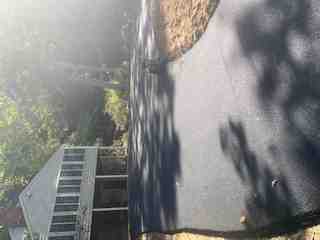 ies near me
Combining hardscaping with landscaping can transform your yard into a balanced, functional, and beautiful space. While plants and trees add life and color, hardscape elements provide the structure and usability that make your outdoor areas truly enjoyable.
Next, we’ll explore the various types of hardscaping projects you can consider for your home.
Types of Hardscaping Projects
When it comes to hardscaping companies near me, there are several popular projects to consider that can transform your outdoor spaces. Here are some of the most common types:
Patios
Patios are a versatile addition to any yard. They provide a solid surface for seating, dining, and entertainment. Patios can cost between $2,000 and $5,800, depending on the materials and size. Whether you use concrete, pavers, or stone, a patio can become the heart of your outdoor living area.
Walkways
Walkways improve the accessibility and flow of your yard. They can be made from materials like gravel, flagstone, brick, or concrete. Walkways not only guide traffic but also add a decorative element. They can connect different areas of your yard, making it more cohesive and inviting.
Retaining Walls
Retaining walls are essential for managing sloped landscapes. They prevent soil erosion and create level areas for planting or other uses. Retaining walls can be made from concrete blocks, bricks, or natural stone, costing between $3,000 and $9,000. They add both functionality and visual interest to your yard.
Driveways
Driveways are another critical hardscaping project. They can be made from concrete, asphalt, or pavers. A well-designed driveway not only provides parking but also improves your home’s curb appeal. The cost can vary widely, so getting a detailed estimate is crucial.
Outdoor Fireplaces
Outdoor fireplaces and fire pits create a cozy atmosphere for gatherings. They extend the usability of your outdoor space into cooler months. Fire features can be built from stone, brick, or metal. They are a popular choice for homeowners looking to add a focal point to their yard.
Water Features
Water features like fountains, ponds, or waterfalls add a soothing and visually appealing element. They can be as simple as a tabletop fountain or as elaborate as a multi-tiered waterfall. Water features improve the tranquility of your outdoor space and can be customized to fit any size yard.
Each of these projects can be custom to fit your style, budget, and needs. When planning your hardscaping, consider how these elements can work together to create a harmonious and functional outdoor space.
Next, we’ll discuss how to choose the right hardscaping company for your project.
How to Choose the Right Hardscaping Company
Finding the right hardscaping company near me can make all the difference in changing your outdoor space. Here are some key factors to consider:
Services Offered
First, check what services the company offers. Do they provide the specific hardscaping services you need? For example, if you want a patio, make sure they specialize in patio installation. Some companies, like Marchi Paving Inc., offer a wide range of services, including patios, retaining walls, walkways, and more.
Licensing and Experience
Always choose a company with proper licensing and significant experience. A licensed company ensures that they meet local regulations and standards. Experience matters because seasoned professionals are more likely to deliver high-quality work. Look for companies with several years in the business and a proven track record.
Reputation and Reviews
Reputation is crucial. Look for online reviews on platforms like Yelp and Google Reviews. Consistent positive feedback is a good indicator of reliability and quality. Also, check the Better Business Bureau (BBB) for any complaints. Personal recommendations from friends or family can also be invaluable.
Work Portfolio
Ask to see a portfolio of the company’s past projects. This will give you a sense of their style and quality of work. Look for projects similar to what you have in mind. A diverse portfolio indicates versatility and competence in handling various hardscaping tasks.
Sustainability Practices
Sustainability is becoming increasingly important. Check if the company uses eco-friendly materials and practices. Sustainable hardscaping not only benefits the environment but can also save you money in the long run. Companies committed to green practices often have certifications or memberships in environmental organizations.
Cost
Cost is always a factor, but it shouldn’t be the only one. Get detailed estimates from multiple companies to compare. Be wary of quotes that are significantly lower than others; this could indicate subpar materials or workmanship. Investing in quality hardscaping can boost your home’s value and curb appeal.
Choosing the right hardscaping company involves careful consideration of these factors. By doing your homework, you can ensure that your project will be completed to your satisfaction, on time, and within budget.
Next, we’ll answer some frequently asked questions about hardscaping companies.
Hardscaping Companies Near Me
Finding the best hardscaping companies near me starts with a local search. Look for companies that service your area and have a solid reputation. Local companies are familiar with regional climate conditions, soil types, and local regulations, making them well-equipped to handle your project.
Free Consultations
Many reputable hardscaping companies, like Marchi Paving Inc., offer free consultations. This is a great opportunity to discuss your ideas, get professional insights, and understand what’s feasible for your space. During the consultation, the contractor will assess your yard, listen to your preferences, and provide initial suggestions.
Project Estimates
Getting a detailed project estimate is crucial. It helps you understand the costs involved and plan your budget accordingly. The average cost of a hardscape contractor can range from $200 to $15,000 or more depending on the project’s scope. For example:
- Patios: $2,000–$5,800
- Decks: $4,200–$12,000
- Retaining Walls: $3,000–$9,000
Always ask for a written estimate that breaks down the costs of materials, labor, and any additional fees. This transparency helps avoid unexpected expenses later on.
Marchi Paving Inc.
When it comes to high-quality hardscaping services, Marchi Paving Inc. stands out. They offer a comprehensive range of services, including patios, retaining walls, walkways, and more. Their team of professionals uses advanced equipment and sustainable practices to ensure your project is not only beautiful but also environmentally friendly.
Marchi Paving Inc. is committed to delivering exceptional service. They adhere to a strict code of values, putting customers first and maintaining a professional attitude throughout the project. With their extensive experience and dedication to quality, you can trust them to transform your outdoor space into a functional and aesthetically pleasing area.
Next, we’ll answer some frequently asked questions about hardscaping companies.
Frequently Asked Questions about Hardscaping Companies Near Me
How much does hardscaping add to home value?
Hardscaping can significantly boost your home’s value. Adding features like patios, decks, and retaining walls not only improves your yard’s utility but also increases curb appeal. According to research, hardscaping projects can improve property value by creating functional outdoor living spaces, which are highly attractive to potential buyers. For instance, an outdoor kitchen can cost between $6,000 and $25,000 but can offer a high return on investment.
What does hardscaping include?
Hardscaping involves the non-living elements of landscaping. This includes:
- Patios: Costing between $2,000 and $5,800
- Decks: Ranging from $4,200 to $12,000
- Retaining Walls: Typically $3,000 to $9,000
- Walkways and Driveways
- Gazebos and Pergolas: $3,000 to $10,000
- Outdoor Kitchens and Fireplaces
These elements are made from durable materials like stone, concrete, and wood, designed to withstand weather and wear.
Is hardscaping the same as landscaping?
No, hardscaping is not the same as landscaping. Hardscaping focuses on the “hard” elements like stone and concrete structures. Landscaping, often referred to as softscaping, deals with the “soft” elements like plants, trees, and lawns. Both are essential for a balanced and aesthetically pleasing outdoor space. While hardscaping provides structure and functionality, landscaping adds beauty and a natural feel to your yard.
For a comprehensive outdoor design, integrating both hardscaping and landscaping is key. This ensures a cohesive and harmonious space that meets both aesthetic and practical needs.

Conclusion
At Marchi Paving Inc., we take pride in offering high-quality hardscaping services that transform your outdoor spaces into functional and beautiful areas. With over 20 years of experience, our team is dedicated to delivering exceptional results for every project.
High-Quality Service
Our commitment to quality starts with using only the best materials. From premium-grade stone to top-notch sealants, every detail is carefully planned and executed. This ensures your hardscaping features not only look great but also stand the test of time.
Advanced Equipment
We invest in state-of-the-art equipment to improve the efficiency and precision of our work. Our advanced machinery allows us to complete projects on schedule and within budget, without compromising on quality. This means you get a smooth, durable surface that looks great and performs well.
In-House Project Execution
One of our unique selling points is our in-house project execution. Unlike other companies that may subcontract parts of the job, we handle every aspect of the project ourselves. This allows us to maintain strict quality control and ensure that every detail meets our high standards. From design to installation, our team is with you every step of the way.
Ready to transform your outdoor space? Contact us today to get a detailed quote and experience the Marchi Paving difference.
Trenchless Sewer Line Repair: Top 5 Benefits in 2024
The Future of Sewer Repair: Trenchless Technology
Dealing with sewer line issues often brings images of torn-up yards and expensive repairs. However, trenchless sewer line repair offers a modern solution to avoid these hassles.
Quick Facts About Trenchless Sewer Line Repair:
– Minimal Excavation: Little to no digging required.
– Cost-Effective: Lower labor and repair costs.
– Long-Lasting: Repairs can last up to 100 years.
Trenchless sewer technology represents a major advancement for both residential and commercial property managers. It transforms the dreaded, invasive sewer repairs of the past into a quick, efficient process. By understanding its benefits and costs, you can make an informed decision on whether this method is right for your property.

Trenchless sewer line repair terms simplified:
– repair sewer line
– sewage pipes
– cost to replace 50 feet of sewer line
What is Trenchless Sewer Line Repair?
Trenchless sewer line repair is a modern method to fix or replace underground sewer pipes with minimal digging. It avoids the need for extensive excavation, preserving your landscaping and hardscaping. This technique is both cost-effective and efficient, making it an attractive option for many homeowners.
Pipe Lining Method
The pipe lining method, also known as cured-in-place pipe (CIPP), is a popular trenchless repair technique. It involves inserting a flexible liner coated with epoxy resin into the damaged pipe. Here’s how it works:
- Inspection: A camera is sent down the sewer line to locate the damaged sections.
- Cleaning: The pipe is thoroughly cleaned to remove any debris or obstructions.
- Liner Insertion: The epoxy-coated liner is inserted into the pipe.
- Curing: The liner is inflated and treated with heat or UV light to harden it, creating a new pipe within the old one.

This method is ideal for repairing small cracks and leaks. It provides a durable solution that can last up to 100 years.
Pipe Bursting Method
The pipe bursting method is used for more extensive damage. It involves breaking the old pipe while simultaneously laying a new one. Here’s a step-by-step overview:
- Access Points: Two small pits are dug at each end of the pipe.
- Cable Insertion: A steel cable is fed through the old pipe.
- Bursting Head: A bursting head, attached to the new high-density polyethylene (HDPE) pipe, is pulled through the old pipe. The bursting head breaks the old pipe apart.
- New Pipe Placement: The new HDPE pipe takes the place of the old one as the bursting head moves through.

This method is effective for replacing entire sections of damaged pipe. The new HDPE pipe is flexible and durable, ensuring a long-lasting repair.
Both methods are part of the trenchless approach, which minimizes disruption and reduces repair costs. By understanding these options, you can choose the best solution for your sewer line issues.
Next, let’s explore the benefits of trenchless sewer line repair.
Benefits of Trenchless Sewer Line Repair
Cost-Effective Solution
Trenchless sewer line repair is a budget-friendly option compared to traditional methods. The main reason? Lower labor costs and reduced restoration expenses. No need for extensive digging means fewer hours spent on the job and less money spent on fixing your yard afterward. Plus, the durable materials used in trenchless repairs can lead to long-term savings by reducing the frequency of future repairs.
Minimal Property Damage
One of the biggest perks of trenchless repair is the minimal disruption to your property. Traditional sewer repairs often require digging large trenches, which can destroy your lawn, garden, or driveway. In contrast, trenchless methods need only a few small access points. This approach preserves your landscaping and hardscaping, saving you from the hassle and cost of extensive property restoration.
Faster Completion Time
Time is money, and trenchless sewer line repair saves both. Most projects are completed in just 1-2 days, compared to the week or more often needed for traditional methods. This quick turnaround means you can get back to your normal life with minimal downtime.
Long-Lasting Results
Durability is a key advantage of trenchless methods. Whether you choose pipe lining or pipe bursting, the materials used—like high-density polyethylene (HDPE) and epoxy resin—are built to last. These materials can provide a reliable repair that endures for 50-100 years. That’s peace of mind for decades.
Eco-Friendly Benefits
Trenchless sewer line repair is also kinder to the environment. The minimal digging required means less soil disruption, which helps with water conservation and reduces the risk of pollution. Additionally, the materials used are often more sustainable. This makes trenchless methods a sustainable choice for eco-conscious homeowners.
In summary, trenchless sewer line repair offers numerous benefits, from cost savings and minimal property damage to quick completion times and long-lasting, eco-friendly results. Next, let’s dive into the costs associated with this innovative repair method.
Costs of Trenchless Sewer Line Repair
Factors Affecting Cost
The cost of trenchless sewer line repair varies based on several factors:
- Pipe Condition: The extent of damage to the existing pipe significantly influences the cost. Minor cracks may be cheaper to fix, while severe damage might require more extensive repairs.
- Access Points: Fewer access points usually mean lower costs. However, if the pipeline is hard to reach, additional access points might be necessary, increasing the overall expense.
- Soil Type: The type of soil around the pipe can also affect the cost. Rocky or heavily compacted soils are harder to work with and may require specialized equipment.
- Project Complexity: The more complex the project, the higher the cost. Factors like the length of the pipeline, the depth of the pipe, and any obstacles (like trees or driveways) can add to the complexity.
Cost Comparison with Traditional Methods
When comparing trenchless sewer line repair with traditional digging methods, the savings become clear:
- Cost Per Linear Foot: Traditional methods can cost anywhere from $4,000 to $20,000. In contrast, trenchless methods like pipe lining and pipe bursting range from $3,000 to $12,000 per project.
- Restoration Costs: Traditional digging methods often require extensive property restoration, adding to the overall cost. Trenchless methods, which require minimal digging, reduce these additional expenses.
- Overall Savings: While trenchless methods may have a higher upfront cost for specialized equipment, the long-term savings from reduced labor and restoration costs make it a more economical choice. Plus, the durable materials used in trenchless repairs can last over 50 years, reducing the need for future repairs.
In summary, although the initial cost of trenchless sewer line repair might seem high, the long-term savings and reduced property damage make it a cost-effective and efficient option. Next, we’ll explore some of the disadvantages of trenchless sewer line repair to provide a complete picture.
Disadvantages of Trenchless Sewer Line Repair
Limitations and Suitability
While trenchless sewer line repair offers many advantages, it’s not suitable for every situation. Here are some limitations:
- Pipe Collapses: If your sewer line has completely collapsed, trenchless methods won’t work. In such cases, traditional digging is necessary to replace the entire pipe.
- Extreme Damage: Pipes with severe damage or extensive corrosion may be beyond the reach of trenchless repair. The lining or bursting methods might not be effective if the existing pipe is too deteriorated.
- Very Large/Small Pipes: Trenchless technology is best suited for pipes within a certain size range. Extremely large or very small pipes may require different repair techniques that involve more traditional methods.
Initial Equipment and Material Costs
Another drawback is the initial cost of equipment and materials:
- Higher Upfront Costs: Trenchless sewer line repair often involves higher upfront costs compared to traditional methods. The specialized equipment and materials, such as high-density polyethylene (HDPE) pipes, can be expensive.
- Specialized Equipment: The machinery needed for trenchless methods, such as pipe bursting machines or resin lining tools, requires significant investment. This can make the initial setup costly for both service providers and homeowners.
Despite these initial costs, trenchless repair methods often lead to long-term savings. The durable materials used, like HDPE, can last between 50 and 100 years, reducing the need for future repairs and offering a reliable, long-term solution.
In summary, while trenchless sewer line repair has some limitations and higher initial costs, its benefits often outweigh these drawbacks, making it an attractive option for many homeowners. Next, we’ll address some frequently asked questions to help you make an informed decision.
Frequently Asked Questions about Trenchless Sewer Line Repair
How long does trenchless sewer pipe last?
Trenchless sewer pipes are built to last. When installed correctly, these pipes can have a lifespan of 50 to 100 years. The materials used, like high-density polyethylene (HDPE), are highly durable and resistant to corrosion and root intrusion. This means fewer repairs and a longer-lasting solution for your sewer line issues.
Is trenchless sewer repair worth it?
Absolutely, trenchless sewer repair is worth considering for several reasons:
- Cost-Effective: While the initial costs might be higher due to specialized equipment, the overall expense is often lower. This is because you save on labor and restoration costs. There’s no need to dig up your yard, which means less damage and fewer repairs needed afterward.
- Minimal Damage: One of the biggest advantages is that it requires minimal excavation. Your landscaping, driveways, and other structures remain largely untouched, saving you the hassle and cost of restoring your property.
- Long-Lasting: With a lifespan of up to 100 years, trenchless sewer pipes offer a durable and reliable solution. You won’t have to worry about frequent repairs or replacements, making it a smart long-term investment.
What are the disadvantages of trenchless pipe lining?
While trenchless pipe lining has many benefits, it does come with some limitations:
- Initial Costs: The upfront costs can be higher compared to traditional methods. The specialized equipment and materials, such as HDPE pipes, add to the initial expense.
- Not Suitable for All Pipes: Trenchless methods aren’t effective for every situation. If your sewer line has completely collapsed or has severe damage, traditional digging might be the only option. Additionally, extremely large or very small pipes may not be suitable for trenchless technology.
- Limitations: Pipes with extensive corrosion or incorrect initial installation may not benefit from trenchless methods. In such cases, more invasive techniques might be required to ensure a proper fix.
Understanding these pros and cons can help you make an informed decision about whether trenchless sewer line repair is the right choice for your home.
Next, let’s dive into the costs associated with trenchless sewer line repair and how they compare to traditional methods.
Conclusion
Trenchless sewer line repair is a modern, efficient solution for addressing sewer line issues. It stands out for its minimal property damage, cost-effectiveness, and long-lasting results.
Key Benefits:
- Cost-Effective: Although the initial costs might be higher due to specialized equipment, trenchless repair often ends up being less expensive overall. You save on labor and restoration costs because there’s no need for extensive digging and rebuilding.
- Minimal Property Damage: One of the biggest advantages is that trenchless methods require minimal excavation. This means your landscaping, driveways, and other structures remain largely untouched, saving you the hassle and cost of restoring your property afterward.
- Faster Completion Time: Traditional methods can take several days or even weeks to complete, whereas trenchless repairs typically take 1-2 days. This means less downtime and a quicker return to normalcy for you.
- Long-Lasting Results: Trenchless sewer pipes, made from durable materials like HDPE, can last between 50 to 100 years. This means fewer repairs and a long-term solution for your sewer line issues.
- Eco-Friendly: Trenchless methods are more sustainable, reducing the amount of waste generated and conserving water. They also minimize the environmental impact by preserving existing landscapes and structures.
Cost-Effectiveness:
Trenchless sewer line repair is a smart investment. While the upfront costs might be higher due to the specialized equipment and materials, the overall savings are significant. You avoid the extensive labor and restoration costs associated with traditional digging methods. Plus, the long-lasting nature of trenchless repairs means fewer future expenses on repairs and replacements.
At Marchi Paving Inc., we pride ourselves on delivering high-quality, in-house project execution using advanced equipment. With over 20 years of experience, we specialize in a wide range of services, including trenchless sewer line repair, ensuring your project is handled with expertise and care.
Ready to protect your property and enjoy the benefits of trenchless sewer line repair? Contact us today to get a detailed quote and experience the Marchi Paving difference.
For more information on our services and how we can help with your water and sewer line needs, visit our excavation services page.
By understanding the advantages and costs associated with trenchless sewer line repair, you can make an informed decision that benefits both your property and your wallet. At Marchi Paving Inc., we’re here to provide you with the best solutions for your sewer line issues.
Snow Removal Near Me: Top 5 Reliable Services in 2024
Why Snow Removal Matters
Snow removal near me is essential for maintaining accessibility and safety during winter. Whether you’re a homeowner or managing a property, dealing with snow effectively can prevent accidents and property damage.
Key points to consider:
– Importance of Snow Removal: Keeps driveways, sidewalks, and roofs clear.
– Winter Planning: Reduces hassle when snow hits.
– Safety Concerns: Avoids slips, falls, and structural issues.

Snow removal near me terms simplified:
– commercial plowing service
– commercial roof snow removal
– snow removal service
Understanding Snow Removal Services
When it comes to snow removal, understanding the different services and equipment available can help you make the best decision for your needs. Let’s explore the options, from residential to commercial services, and the equipment used for snow removal.
Types of Snow Removal Equipment
Snow removal equipment ranges from simple tools to complex machines. Here are the main types:
- Snow Shovels: Great for small areas like stairs and walkways. They’re inexpensive but require significant physical effort.
- Snow Throwers: Smaller and less powerful than snow blowers. Ideal for walkways and small driveways. They are single-stage, meaning the auger both collects and discharges the snow.
- Snow Blowers: More powerful machines that can handle larger areas. They can be two- or three-stage, with different mechanisms for collecting and discharging snow. Perfect for large driveways or parking lots.

Power Source:
– Cordless (Electric): Convenient and low maintenance. Best for light to moderate snowfalls.
– Gas-Powered: More powerful and can handle heavy snowfalls. Requires more maintenance but offers greater clearing widths and depths.
DIY vs Professional Services
Deciding between DIY snow removal and hiring professionals involves considering cost, time, effort, and safety.
Cost Comparison:
– DIY: Initial costs include buying equipment like shovels or snow blowers. Long-term costs are low but include maintenance and fuel (for gas-powered tools).
– Professional Services: Higher upfront costs but save time and effort. Pricing can vary—some charge per event, others offer seasonal contracts.
Time and Effort:
– DIY: Time-consuming and physically demanding. Suitable for smaller properties or light snowfalls.
– Professional Services: Efficient and hassle-free. Professionals handle the heavy lifting and ensure thorough snow removal.
Safety Considerations:
– DIY: Risk of injury from overexertion or improper use of equipment. Clearing snow from roofs or large areas can be especially dangerous.
– Professional Services: Trained workers with the right equipment reduce the risk of accidents. They are also insured, offering peace of mind.

Residential vs Commercial:
– Residential: Focuses on driveways, sidewalks, and small areas. Services include snow plowing, shoveling, and blowing.
– Commercial: Handles larger areas like parking lots, walkways, and building entrances. Requires more robust equipment and often includes additional services like de-icing.
By understanding the types of snow removal equipment and weighing the pros and cons of DIY versus professional services, you can make an informed decision that suits your needs and budget.
Now, let’s dive into how to budget for snow removal and save money in the process.
How to Budget for Snow Removal
Budgeting for snow removal is essential to ensure you’re prepared for winter without breaking the bank. Let’s break down the costs and share some tips to save money.
Cost Breakdown
Average Costs:
The average cost for a snow removal service is around $85. However, this can vary based on factors like the amount of snow, your location, and seasonal demand.
Cost Factors:
– Property Size: Larger properties will cost more to clear.
– Snow Amount: More snow means higher costs.
– Response Time: Emergency services typically cost more.
Per Hour Rates:
Most companies charge between $30 to $80 per hour per crew member.
Per Event Rates:
A single snow removal visit can cost between $45 and $150.
Seasonal Contracts:
These contracts usually range from $200 to $600 for the entire season. They often provide better value compared to paying per event.
Tips for Saving Money
Early Booking:
Book your snow removal services before the winter season starts. Early booking can secure better rates and ensure availability.
Package Deals:
Look for package deals that combine snow removal with other services like lawn care. These packages often come at a discounted rate.
Local Discounts:
Check if local companies offer discounts for residents. Sometimes, community associations have agreements with providers for reduced rates.
Seasonal Contracts:
Consider signing a seasonal contract rather than paying per event. It provides peace of mind and can be more affordable in the long run.
DIY for Small Jobs:
For smaller areas like walkways and steps, consider doing the work yourself. Investing in a good snow shovel or a small snow thrower can save money over time.
By understanding the costs and exploring ways to save, you can effectively budget for snow removal and ensure your property stays clear and safe throughout the winter. Next, let’s look at how to find reliable snow removal services in your area.
Finding Snow Removal Services Near You
Finding reliable snow removal services is crucial for winter safety and convenience. Let’s explore how to evaluate service providers and the right questions to ask.
Evaluating Service Providers
Search Directories:
Start by checking local directories and online listings. The Better Business Bureau (BBB) directory is a great resource. Companies that adhere to BBB Standards for Trust are often more reliable. Look for businesses with high BBB ratings.
Customer Reviews:
Read customer reviews on platforms like Google and Yelp. Reviews can reveal a lot about a company’s reliability and quality of service. Look for consistent positive feedback and note any recurring complaints.
Experience:
Choose companies with significant experience in snow removal. Experienced providers are more likely to have the right equipment and know-how to handle various snow conditions. For instance, a company that serves multiple counties and offers a broad range of services indicates extensive experience.
Equipment:
Ensure the company has the right equipment for your needs. For example, snow blowers are ideal for large driveways, while snow shovels work for smaller areas. Ask if they use advanced machinery for efficient snow removal.
Insurance and Liability:
Check if the company carries liability insurance. This protects you in case of property damage during snow removal. Also, confirm they have worker’s compensation coverage to safeguard against any worker injuries on your property.
Questions to Ask
When contacting potential snow removal services, asking the right questions can help you make an informed decision.
Service Frequency:
– How often will they provide snow removal services?
– Do they come after every snowfall or only when snow accumulates beyond a certain depth?
Cancellation Policies:
– What is the process for canceling a service or skipping an appointment?
– Are there any penalties for cancellation?
Damage Liability:
– Who is responsible if there is damage to your property during snow removal?
– Do they have insurance to cover such damages?
Response Time:
– How quickly can they respond after a snowfall?
– Do they offer emergency services if needed?
Seasonal Contracts:
– Do they offer seasonal contracts, and what do these include?
– Is there a discount for signing a seasonal contract versus per-event payments?
By thoroughly evaluating service providers and asking these essential questions, you can find a reliable snow removal near me service that meets your needs and ensures your property remains safe and accessible throughout the winter. Next, we’ll explore top tips for effective snow removal.
Top Tips for Effective Snow Removal
Tools and Techniques
Effective snow removal starts with the right tools and techniques. Here’s how to prepare your property and make the job easier.
Preparing Your Property:
Before the snow hits, ensure your property is ready. Clear any obstacles like garden hoses or decorations from areas you need to clear. This will save time and prevent damage to your snow removal equipment.
Staking Driveways:
Use stakes to mark the edges of your driveway and walkways. This helps guide snow plows and prevents them from damaging your lawn or garden. You can find reflective or brightly colored stakes at most hardware stores.
Using De-Icers:
De-icers can make snow removal easier by melting ice and preventing it from forming. Magnesium chloride is a popular choice because it’s effective at lower temperatures and less harmful to plants and pets compared to traditional rock salt.
Leaf Blowers:
For light, fluffy snow, a leaf blower can be surprisingly effective. It’s quick and saves you from heavy lifting. Just make sure the snow isn’t too wet or heavy, as leaf blowers won’t work well in those conditions.
Hot Water:
Hot water can quickly melt ice, but use it sparingly. Pouring hot water on icy surfaces can create dangerous refreezing if temperatures drop again. Use this technique only for small, stubborn patches of ice.
Safety Tips
Snow removal can be physically demanding and sometimes dangerous. Follow these safety tips to protect yourself.
Proper Attire:
Dress in layers to stay warm, but avoid bulky clothing that restricts movement. Wear waterproof boots with good traction, and always use gloves to protect your hands from the cold and blisters.
Avoiding Overexertion:
Snow shoveling can be as strenuous as running on a treadmill. Take frequent breaks and don’t overdo it. If you feel short of breath or experience chest pain, stop immediately and seek medical attention.
Professional Help:
If you have health issues or a large area to clear, consider hiring a professional. Services like those offered by Marchi Paving Inc. can handle the heavy lifting, ensuring your safety and convenience.
By following these tips and using the right tools, you can keep your property safe and accessible all winter long.
Next, let’s address some frequently asked questions about snow removal near me.
Frequently Asked Questions about Snow Removal Near Me
How do I budget for snow removal?
Budgeting for snow removal can be tricky, but with a bit of planning, you can manage it effectively. Here are some tips:
Understand Pricing Models:
Snow removal services use different pricing models. Some charge by the hour, some per event, and others offer seasonal contracts. For example, a seasonal contract might cost a flat rate, while per event rates vary based on the amount of snowfall.
Average Costs:
On average, homeowners can expect to pay between $40 to $100 per visit for residential snow removal. Seasonal contracts usually range from $300 to $600, depending on the size of your property and the frequency of service.
Cost Factors:
Factors influencing costs include the length and complexity of your driveway, frequency of snowfalls, and specific services needed. For instance, snow blowing might cost more than simple shoveling due to equipment use.
Budgeting Tips:
– Early Booking: Many companies offer discounts for early bookings. Secure your service before the first snowfall to save money.
– Package Deals: Look for package deals that combine snow removal with other services like lawn care. This can be cost-effective.
– Local Discounts: Some companies offer discounts for local residents or seniors. Always ask!
What machines clear snow effectively?
Choosing the right equipment is key to effective snow removal. Here are some options:
Snow Blowers:
Snow blowers are powerful and can handle heavy, wet snow. They come in single-stage, two-stage, and three-stage models. Two-stage blowers are great for larger areas and deeper snow, while single-stage blowers work well for light, fluffy snow.
Snow Throwers:
These are similar to snow blowers but typically less powerful. Ideal for smaller areas and lighter snowfalls.
Cordless, Electric, and Gas Options:
– Cordless: Battery-powered and great for small areas. They’re quiet and easy to maintain.
– Electric: Plug into an outlet and are good for moderate snowfalls. Limited by the length of the power cord.
– Gas: Best for large areas and heavy snow. More powerful but require more maintenance.
Leaf Blowers:
Surprisingly effective for light, fluffy snow. They can quickly clear walkways and driveways without heavy lifting.
How do I get rid of a lot of snow quickly?
When faced with a large amount of snow, speed and efficiency are crucial. Here are some tips:
Use a Snow Blower:
A powerful snow blower can clear large areas quickly. Opt for a two-stage or three-stage model if you expect heavy snowfalls. These machines can handle deep snow and ice efficiently.
Hot Water for Ice:
For stubborn patches of ice, use hot water sparingly. Pouring hot water can melt ice quickly, but be cautious of refreezing, which can create slippery conditions.
Professional Services:
If the snowfall is too much to handle, consider hiring a professional service. Companies like Marchi Paving Inc. have the equipment and expertise to clear snow efficiently and safely.
De-Icers:
Use magnesium chloride or other de-icers to prevent ice formation and make shoveling easier. These products work at lower temperatures and are less harmful to plants and pets.
Leaf Blowers for Light Snow:
For lighter, fluffy snow, a leaf blower can be a quick and effective solution. It’s especially useful for clearing walkways and driveways without much effort.
By following these tips, you can manage snow removal effectively and keep your property safe and accessible all winter long.
Conclusion
In summary, finding reliable snow removal services involves understanding your needs, comparing pricing models, and evaluating service providers based on experience, equipment, and insurance. By planning ahead and budgeting effectively, you can ensure your property remains safe and accessible throughout the winter.
Importance of Planning:
Winter weather can be unpredictable. Planning for snow removal before the first snowfall ensures you’re not left scrambling when the snow hits. Early booking often comes with discounts, and having a reliable service lined up gives you peace of mind.
Summary of Tips:
– Compare Pricing Models: Understand whether companies charge by the hour, per event, or offer seasonal contracts.
– Evaluate Providers: Look for experienced providers with the right equipment and proper insurance.
– Ask Questions: Clarify service frequency, cancellation policies, and liability for property damage.
– Use the Right Equipment: Know which machines are best for your needs—snow blowers, throwers, or even leaf blowers for light snow.
– Budget Wisely: Consider early booking, package deals, and local discounts to save money.
By following these tips, you can effectively manage snow removal and keep your property safe during the winter months.
For expert snow removal services, trust Marchi Paving Inc.. With over 20 years of experience, we specialize in high-quality, in-house project execution using advanced equipment. Contact us today to ensure your property is prepared for the winter season.
How to Cut Retaining Wall Blocks: 5 Essential Tips for 2024
Mastering the Cut: Essential Guide to Cutting Retaining Wall Blocks
How to cut retaining wall blocks:
- Measure and Mark: Measure the block and mark the cut line.
- Prepare the Saw: Use a diamond blade saw.
- Safety First: Wear safety goggles, gloves, and a dust mask.
- Make the Cuts: Align the saw with the mark and cut slowly.
- Check the Fit: Ensure the block fits correctly in the corner.
Cutting retaining wall blocks is a crucial skill for anyone involved in landscaping or construction. The right cuts ensure not only the structural integrity but also the aesthetic appeal of your retaining walls. Whether you are a seasoned professional or a DIY enthusiast, mastering this skill requires understanding the tools, techniques, and safety precautions.
Firstly, you need the right tools. The most effective tool for this job is a diamond blade saw, but circular saws with masonry blades, angle grinders, and even hammers and chisels can also be used for smaller projects. It’s essential to keep these tools in good condition to achieve precise cuts.
Safety is paramount when cutting retaining wall blocks. Always wear safety goggles, gloves, and a dust mask to protect yourself from flying debris and harmful dust. Setting up a water drench can help keep the dust down, making the cutting process safer for your lungs.
Cutting retaining wall blocks correctly is not just about technical skill but also about ensuring the project’s longevity and safety. For detailed guidance, check out our step-by-step instructions and tips.

How to cut retaining wall blocks word list:
– how to build a retaining wall with blocks
– how to build retaining walls
– retaining wall ideas
Tools and Materials Needed
To master how to cut retaining wall blocks, you need the right tools and materials. Here’s a rundown of what you’ll need:
Circular Saw
A circular saw equipped with a masonry blade is a versatile tool for cutting retaining wall blocks. It’s ideal for making straight cuts and can handle both small and large blocks. Ensure the blade is in good condition for clean, precise cuts.
Masonry Blade
A masonry blade is essential for cutting through concrete, stone, and other hard materials. Diamond-tipped blades are the best choice because they are durable and provide smooth cuts.
Chisel and Hammer
For smaller projects or when precision cuts are not critical, a chisel and hammer can be used. This method involves scoring the block along the marked line and then splitting it with the hammer.
Steps:
1. Score the block with the chisel.
2. Apply firm taps with the hammer until the block splits.
Angle Grinder
An angle grinder with a diamond blade offers precision and control, especially for detailed or smaller cuts. It’s portable and can be used for both straight and curved cuts.
Safety Gear
Safety is paramount when cutting retaining wall blocks. Always wear the following:
- Safety Goggles: Protect your eyes from flying debris.
- Gloves: Shield your hands from sharp edges and dust.
- Dust Mask: Prevent inhalation of harmful dust particles.
- Hearing Protection: Protect your ears from the loud noise of power tools.
Wet Saw
A wet saw is perfect for larger projects. It uses water to minimize dust and cool the blade, ensuring clean and accurate cuts. Wet cutting is also safer for your lungs because it reduces airborne silica dust.

Pro Tip: Setting up a water drench when using dry cutting tools can help keep the dust down, making the process safer for your lungs.
Having the right tools and materials is essential for achieving clean, precise cuts in retaining wall blocks. Whether you’re using a circular saw, angle grinder, or chisel and hammer, always prioritize safety and use the appropriate gear. This foundation will ensure your project is not only successful but also safe and efficient.
Step-by-Step Guide: How to Cut Retaining Wall Blocks
Using a Circular Saw
A circular saw equipped with a diamond blade is a go-to tool for cutting retaining wall blocks. Here’s how to do it:
- Measure and Mark: Measure the block where you need the cut. Use a straightedge to mark a clear, straight line.
- Score the Block: Set the circular saw to a shallow depth and score along the marked line. This initial score helps guide the deeper cut.
- Cut Through: Adjust the saw to a deeper setting and cut through the block. Apply gentle, consistent pressure and let the saw do the work.
Pro Tip: For larger blocks, you might need to cut from both sides to ensure a clean break.
Using a Hammer and Chisel
For smaller projects or when precision is less critical, a hammer and chisel can be effective:
- Score the Block: Using a masonry chisel, score along the marked line. Make sure the score line is deep and even.
- Split the Block: Place the chisel in the score line and firmly tap with a hammer. Continue tapping until the block splits.
Technique Tip: Scoring all sides of the block before splitting will help ensure a cleaner break.
Using an Angle Grinder
An angle grinder with a diamond blade offers precision and control, ideal for detailed or smaller cuts:
- Mark the Cut Line: Clearly mark where you need the cut.
- Score the Block: Use the angle grinder to score along the marked line. Keep the blade straight and apply even pressure.
- Complete the Cut: Slowly deepen the cut until you’ve gone through the block.
Safety Note: Always use safety goggles, gloves, and a dust mask when using an angle grinder.
Using a Wet Saw
A wet saw is perfect for larger projects and ensures clean, accurate cuts with minimal dust:
- Set Up the Wet Saw: Ensure the water reservoir is filled. The water helps cool the blade and reduce dust.
- Mark the Block: Measure and mark the block where you need the cut.
- Cut the Block: Align the marked line with the wet saw blade. Slowly feed the block through the blade, letting the water do its job.
Dust Control Tip: Wet cutting is safer for your lungs as it reduces airborne silica dust. Always use a saw and blade intended for wet cutting.
Using the right tool and technique for your specific needs is crucial in how to cut retaining wall blocks. Whether you’re using a circular saw, hammer and chisel, angle grinder, or wet saw, following these steps will help you achieve clean, precise cuts while maintaining safety.
Tips for a Clean Cut
When cutting retaining wall blocks, achieving a clean cut is essential for a professional look and structural integrity. Let’s explore some expert tips on scoring depth, applying consistent pressure, and safety precautions.
Scoring Depth
Scoring depth is critical for a clean break. Here’s why:
- Initial Scoring: Start with a shallow cut to create a guide. This initial score should be about 1/4 inch deep. It helps the blade track straight and reduces the risk of chipping.
- Deeper Cuts: After the initial score, gradually increase the depth. For thicker blocks, you may need to score from multiple sides.
Pro Tip: Always score all sides of the block before making the final cut. This ensures a cleaner, more precise break.
Consistent Pressure
Maintaining consistent pressure is key to a smooth cut:
- Steady Hands: Keep a firm grip on your tool and apply even pressure. Let the tool do the work—forcing it can cause uneven cuts or breakage.
- Slow and Steady: Move the saw or grinder slowly along the marked line. Rushing can lead to mistakes and rough edges.
Technique Tip: When using a circular saw or angle grinder, make sure to move in a straight, smooth motion. This helps maintain a clean cut line.
Safety Precautions
Safety should always come first. Cutting retaining wall blocks involves tools that can be dangerous if not used properly. Here are some essential safety precautions:
- Protective Gear: Always wear safety goggles, gloves, and a dust mask. Concrete dust contains silica, which is harmful if inhaled.
- Wet Cutting: If possible, opt for wet cutting. This method reduces dust and keeps the blade cool. A wet saw is ideal for larger projects.
- Clear Workspace: Ensure your workspace is clear of debris and obstacles. This prevents tripping and allows for better control of your tools.

Dust Control Tip: Use a water drench or wet saw to minimize dust. This is especially important for your lungs and overall health.
By following these tips, you’ll achieve cleaner cuts and maintain safety throughout your project. Whether you’re a DIY enthusiast or a professional, mastering these techniques will make your work easier and more efficient.
Next, we’ll tackle some frequently asked questions about cutting retaining wall blocks, providing you with even more insights and tips.
Frequently Asked Questions about Cutting Retaining Wall Blocks
How to Cut Retaining Wall Blocks Without a Saw?
You can cut retaining wall blocks without a saw using a hammer and chisel. Here’s how:
- Scoring the Block: Start by marking the line where you want to cut. Use a straightedge or square for accuracy. Then, score along the marked line with the chisel. Begin with light taps to create a shallow groove.
- Deepening the Score: Gradually increase the force of your taps to deepen the groove. Make sure to score all sides of the block to ensure a clean break.
- Splitting the Block: Once the score is deep enough, place the chisel in the groove and strike it firmly with the hammer. The block should split along the scored line.
Pro Tip: Drill small holes along the score line to weaken the block further before splitting. This method helps achieve a cleaner break.
What Saw to Use to Cut Retaining Wall Blocks?
For cutting retaining wall blocks, the best tools are:
- Circular Saw with a Masonry Blade: A circular saw equipped with a diamond-tipped masonry blade can make precise cuts. Score the block first, then cut through it. This method is efficient for straight cuts.
- Angle Grinder: An angle grinder with a diamond blade is excellent for smaller, detailed cuts. It’s easy to handle and provides good control for precision work.
- Wet Saw: A wet saw is ideal for larger projects. It uses water to control dust and cool the blade, making it safer and more efficient for continuous cutting.
Safety Tip: Always wear protective gear, including safety goggles, gloves, and a dust mask, when using these tools.
How to Cut Concrete Blocks by Hand?
Cutting concrete blocks by hand involves a few simple steps:
- Mark and Score: Use a straightedge to mark the cutting line. Score along the line with a chisel and hammer, creating a shallow groove.
- Deepen the Groove: Continue scoring the line, gradually deepening the groove. Ensure that you score all sides of the block.
- Splitting the Block: Place the chisel in the groove and strike it firmly with the hammer to split the block. The block should break cleanly along the scored line.
Technique Tip: For a cleaner cut, make sure the score line is even and deep enough before attempting to split the block.
By following these methods, you can efficiently cut retaining wall blocks without specialized power tools. Whether using a hammer and chisel or a saw, proper technique and safety precautions are key to achieving a clean, professional cut.
Conclusion
Cutting retaining wall blocks can be a challenging task, but with the right tools and techniques, it becomes manageable—even for DIY enthusiasts. However, for those who seek perfection and efficiency, professional help is invaluable.
At Marchi Paving Inc., we pride ourselves on delivering high-quality results with every project. With over 20 years of experience, our team specializes in hardscaping services, including the precise cutting and installation of retaining wall blocks. We use advanced equipment to ensure every cut is perfect, and every wall is built to last.
Why Choose Marchi Paving Inc.?
Professional Expertise: Our skilled team knows how to handle all types of materials and tools, ensuring a clean and accurate cut every time.
Quality Results: We use only the best materials and techniques to deliver durable and aesthetically pleasing results.
Advanced Equipment: Our investment in state-of-the-art machinery allows us to complete projects on schedule and within budget, without compromising on quality.
Customer Satisfaction: We are committed to exceeding your expectations. Our numerous positive reviews highlight our dedication to communication, quality, and reliability.
When it comes to cutting retaining wall blocks, trust the experts at Marchi Paving Inc. to get the job done right. Contact us today to start your project and experience the Marchi Paving difference.
Excavating and Landscaping Services Near Me: Top 5 Choices
Finding Reliable Excavating and Landscaping Services
When searching for excavating and landscaping services near me, find reliable, high-quality service providers who can meet your specific needs. Both homeowners and property managers can benefit significantly from professional excavation and landscaping. Here’s a quick overview of what you need to know:
- Excavation services include land clearing, grading, and trenching to prepare land for construction or landscaping.
- Landscaping services cover everything from lawn care and garden design to hardscaping and irrigation systems.
Choosing a provider with the right expertise ensures your project is completed efficiently, safely, and to your satisfaction.
Key Benefits
- Efficiency: Professionals use heavy equipment and specialized knowledge to get the job done quickly.
- Safety: Trained technicians handle potentially dangerous tasks, ensuring safety and compliance with regulations.
- Quality: High-quality services improve property value and curb appeal.

Excavating and landscaping services near me word guide:
– best excavation services near me
– bulldozer work near me
– drainage and excavation services near me
Understanding Excavating and Landscaping Services
When it comes to excavating and landscaping services near me, understanding the different types of services available can help you make informed decisions for your project. Let’s break down the essentials:
Types of Excavating Services
Excavation is the first step in many construction and landscaping projects. It involves preparing the land for building or landscaping. Here are the main types of excavating services:
- Land Clearing: This involves removing trees, shrubs, and debris to prepare a clean slate for construction or landscaping. It’s essential for creating a safe and workable area.
- Grading: Grading ensures that the land is level or has a specific slope. This is crucial for proper drainage and to prevent water pooling, which can damage structures and landscapes.
- Trenching: Trenches are dug for installing utilities like water lines, gas pipes, and electrical conduits. Precision is key to avoid damaging existing infrastructure.
- Foundation Digging: Digging foundations for buildings, sheds, or other structures requires expertise to ensure stability and compliance with building codes.
Types of Landscaping Services
Landscaping goes beyond just making your yard look pretty. It involves a range of services that improve the functionality and aesthetics of your outdoor space. Here are the primary types of landscaping services:
- Lawn Care: Regular mowing, edging, fertilizing, and weed control keep your lawn healthy and attractive. Full-service lawn care companies offer seasonal maintenance like aeration and overseeding.
- Garden Design: Professional landscape designers can create a beautiful and functional garden plan custom to your needs. This includes selecting the right plants, designing garden beds, and planning pathways.
- Hardscaping: Hardscaping involves non-plant elements like patios, retaining walls, walkways, and outdoor kitchens. These features add structure and usability to your outdoor space.
- Irrigation Systems: Proper irrigation is essential for maintaining a lush landscape. Professionals can install and repair sprinkler systems to ensure your plants get the right amount of water.

Heavy Equipment and Specialized Knowledge
Both excavation and landscaping often require specialized equipment and knowledge:
- Heavy Equipment: Excavators, bulldozers, trenchers, and graders are commonly used in excavation. These machines make quick work of tasks that would take days to complete manually.
- Specialized Knowledge: Professionals have the training to operate heavy machinery safely and efficiently. They also understand local regulations and building codes, ensuring your project complies with all legal requirements.
By understanding these services, you can better assess what you need for your project and hire the right professionals to get the job done.
How to Choose the Best Excavating and Landscaping Services Near Me
Finding the right excavating and landscaping services near me can make or break your project. Here’s how to ensure you choose the best professionals for the job:
Assess Your Needs
Before contacting any service providers, clearly define your project scope and specific requirements. Ask yourself:
- What is the size and nature of the project? (e.g., land clearing, garden design, hardscaping)
- What is your budget?
- Are there any unique challenges or requirements? (e.g., specific soil conditions, existing structures)
Having a detailed understanding of your needs helps you communicate effectively with potential contractors and ensures you get accurate quotes.
Check Licensing and Certifications
Licensing and certifications are crucial for ensuring quality and compliance with local regulations. Look for:
- Certified Specialists: Ensure the company employs certified specialists like arborists, horticulturists, and landscape designers.
- Proper Licensing: Verify that the contractor has the necessary licenses for excavation and landscaping work in your area.
Licensed professionals are more likely to adhere to industry standards and provide quality work.
Evaluate Reputation and Reviews
Reputation matters. Look for companies with a solid track record and positive customer feedback. Here’s how to evaluate:
- Customer Feedback: Read reviews and testimonials from previous clients. For example, one satisfied customer said about Marchi Paving Inc., “It was a pleasure working with Chris… very professional and detail-oriented.”
- Third-Party Review Sites: Check websites like Houzz or Angi for unbiased reviews.
- Portfolios: Ask to see a portfolio of past projects. This gives you a sense of their style and quality of work.
A company with glowing reviews and a robust portfolio is more likely to deliver excellent results.
Experience and Expertise
Experience is a strong indicator of reliability and skill. Look for companies that have been in business for several years and have experience with projects similar to yours. For instance, Marchi Paving Inc. has over two decades of experience in delivering top-notch excavation services.
Experienced contractors are better equipped to handle unexpected challenges and provide innovative solutions.
Cost Considerations
While cost shouldn’t be the only factor, it is important. Get estimates from at least three contractors to compare prices and services. Make sure the estimates include:
- Contact Information: Company name, address, telephone number, and website.
- Total Cost: Including taxes and any potential variables.
- Project Scope: Detailed description of what will be installed or done.
- Maintenance Schedule: Timeline for project completion.
- Plant Specifications: Types and costs of plants or materials.
- Terms and Conditions: Payment terms and warranty information.

Final Tips
- Ask for References: Speak to previous clients to get accounts of their experience.
- Visit Completed Projects: If possible, visit some of the contractor’s completed projects to see their work in person.
- Clear Communication: Ensure the contractor communicates clearly and promptly.
By following these steps, you’ll be well on your way to finding the best excavating and landscaping services near me for your project.
Cost of Excavating and Landscaping Services
Understanding the cost of excavating and landscaping services near me is essential for budgeting your project effectively. Several factors influence the overall pricing, and knowing these can help you make informed decisions.
Average Costs for Common Services
Landscaping Design: Designing your landscape can cost between $2,000 and $25,000, with an average of around $9,000. The price varies based on the complexity of the design and the size of your yard.
Lawn Care: Basic lawn care services, including mowing, trimming, and fertilizing, typically range from $50 to $200 per visit. For a two-person crew, expect to pay $50 to $100 per hour.
Land Grading: Grading your land to ensure proper drainage and create a level surface can cost around $3,200 on average, but prices can vary widely from $500 to $15,000 depending on the project size and site conditions.
Tree Planting: Planting a tree can be a cost-effective way to improve your landscape. Costs range from $150 to $300 per tree, including labor and materials.
Tips to Save Money
Landscaping and excavation projects can be expensive, but there are several ways to cut costs without compromising quality.
Repurpose Materials: Use existing materials and features in your yard to save money. For example, repurpose stones, bricks, or wood from old structures.
Softscape Instead of Hardscape: Opt for planting trees, shrubs, and flowers instead of installing expensive hardscape features like patios or retaining walls.
DIY Options: If you have the time and skills, consider doing some tasks yourself. Projects like planting grass, laying sod, or building a firepit can be manageable for avid DIYers.
Choose Young Plants: Mature plants are more expensive. Save money by choosing younger plants, which will grow and fill out over time.
Buy in Bulk: Purchasing materials like soil, mulch, and plants in bulk can often reduce costs.
Plan and Prioritize: Develop a comprehensive plan and prioritize critical tasks. This helps avoid costly changes and ensures you stay within budget.
By understanding the costs and implementing these money-saving tips, you can achieve a beautiful landscape without breaking the bank.
Top 5 Excavating and Landscaping Services Near Me
Finding the best excavating and landscaping services near me can make a huge difference in the success of your project. Here are the top 5 services that stand out in the industry:
1. Marchi Paving Inc.
Marchi Paving Inc. offers a comprehensive range of excavating and landscaping services. Known for their expertise in grading, trenching, and foundation digging, they also excel in lawn care, garden design, and hardscaping. Their use of modern, well-maintained machinery ensures efficient and safe project completion.
Unique Features:
* Experienced Team: Skilled professionals with years of experience.
* Modern Equipment: Uses the latest technology.
* Customer Service: High ratings for customer satisfaction.
2. Comprehensive Landscaping Solutions
Comprehensive Landscaping Solutions provides a wide array of services to meet all your landscaping needs. From landscape maintenance to new construction, they ensure your outdoor spaces are both beautiful and functional.
Unique Features:
* Full-Service: Offers a wide range of services including lawn maintenance and hardscaping.
* Customer Focused: Known for building long-term relationships with clients.
* Affordable Rates: Competitive pricing without compromising quality.
3. Personalized Outdoor Creations
Personalized Outdoor Creations specializes in creating neat outdoor living spaces. They are particularly noted for their personalized service and attention to detail, making each project unique and custom to the client’s vision.
Unique Features:
* Personalized Service: Customized solutions for each client.
* Award-Winning: Best of Houzz winner, indicating high customer satisfaction.
* Creative Designs: Innovative and aesthetically pleasing landscape designs.
4. Expert Hardscaping Services
Expert Hardscaping Services are known for their expertise in constructing patios and other hardscaping projects. Their friendly team ensures that each project is built to the client’s exact specifications.
Unique Features:
* Specialized in Hardscaping: Expertise in building patios and other structures.
* Family Owned: Personalized service with a family touch.
* High-Quality Work: Consistently delivers excellent results.
5. Creative Design and Maintenance LLC.
Creative Design and Maintenance LLC. offers a complete overhaul of outdoor spaces, including new pavers, driveways, and more. Their team is known for their professionalism and high-quality workmanship.
Unique Features:
* Comprehensive Services: Full range of landscaping and maintenance services.
* Verified License: Ensures credibility and trustworthiness.
* Attention to Detail: Known for meticulous work and finishing.
These top services are well-regarded for their expertise, customer satisfaction, and unique features. Whether you need basic lawn care or complex excavation and landscaping, these companies have proven to be reliable choices.
Frequently Asked Questions about Excavating and Landscaping Services
What are some warning signs of a bad landscaper?
Choosing the right landscaper is crucial. Here are some red flags to watch out for:
Lack of License and Insurance: Always verify that the landscaper has the necessary licenses and insurance. This protects you from liability in case of accidents or damage.
Poor Communication: If the landscaper is hard to reach or slow to respond, it could spell trouble for your project timeline and quality.
No Written Contract: A reputable landscaper will always provide a detailed written contract outlining the scope of work, timelines, and costs.
Negative Reviews: Check online reviews and ask for references. Consistent negative feedback is a major warning sign.
Unrealistic Estimates: Be wary of quotes that are significantly lower than others. This could indicate subpar materials or hidden costs later on.
What are some benefits of landscaping?
Landscaping offers numerous advantages that go beyond just aesthetics:
Increased Property Value: A well-maintained yard can boost your home’s value by up to 15% .
Environmental Benefits: Proper landscaping helps reduce soil erosion, manage stormwater runoff, and improve air quality.
Energy Efficiency: Strategically placed trees and shrubs can reduce heating and cooling costs by providing shade in summer and windbreaks in winter.
Improved Curb Appeal: A beautiful landscape makes a great first impression, which is especially important if you plan to sell your home.
Personal Enjoyment: A well-designed outdoor space provides a relaxing environment for you and your family to enjoy.
How can I negotiate a price with a landscaping company?
Negotiating with a landscaping company can help you get the best value for your money. Here are some tips:
Get Multiple Quotes: Obtain at least three quotes to compare prices and services. This gives you leverage in negotiations.
Be Clear About Your Budget: Let the landscaper know your budget constraints upfront. This helps them propose solutions within your price range.
Ask for Itemized Estimates: Request a detailed breakdown of costs. This makes it easier to identify areas where you can cut back or adjust.
Consider Phased Projects: If the full project is too expensive, discuss completing it in phases. This spreads out the cost over time.
Negotiate Payment Terms: Some landscapers may offer discounts for upfront payments or flexible payment plans.
By keeping these tips in mind, you can find the right balance between quality and cost, ensuring that you get the best possible service for your landscaping needs.
Conclusion
Choosing the right excavating and landscaping services near me can transform your property, adding both beauty and functionality. From land clearing to garden design, the right professionals can make a significant difference.
Here are some final tips to ensure you make the best choice:
1. Assess Your Needs: Clearly define what you want to achieve. Whether it’s a new patio, irrigation system, or a complete yard makeover, knowing your goals will help you communicate effectively with potential contractors.
2. Verify Credentials: Always check for proper licensing and insurance. This protects you from liability and ensures the contractor meets local regulations.
3. Read Reviews: Look for customer feedback on third-party review sites. Portfolios and testimonials can provide insights into the quality of work and customer satisfaction.
4. Get Written Estimates: Obtain detailed, written estimates from at least three contractors. This helps you understand the scope of work and compare pricing.
5. Communicate Clearly: Discuss your project needs and expectations upfront. Clear communication can prevent misunderstandings and ensure the project stays on track.
At Marchi Paving Inc., we pride ourselves on delivering exceptional excavating and landscaping services. With over 20 years of experience, our team is equipped with advanced equipment to handle any project, big or small. We focus on high-quality, in-house project execution to maintain strict control over the construction process.
By following these tips and choosing a reputable company like Marchi Paving Inc., you can ensure your project is completed efficiently and professionally, bringing your vision to life. Contact us today for a free consultation and see the difference experience makes!
Commercial Plowing Service: Top 5 Proven Solutions in 2024
The Importance of Commercial Snow Removal Services
When winter storms hit, commercial plowing service becomes a critical need for businesses and property managers. Efficient snow removal ensures that parking lots, walkways, and entrances remain accessible and safe for employees and customers.
Here’s what you need to know if you’re looking for a quick overview:
- Snow Plowing: Keeps roads and parking lots clear.
- Snow Hauling: Removes large amounts of snow from the premises.
- De-icer and Sanding: Prevents icy surfaces.
- Icicle Removal: Eliminates the risk of falling icicles.
- Sidewalk Shoveling: Ensures pedestrian safety.
With winters becoming harsher and more unpredictable, hiring a reliable commercial snow removal company isn’t just about convenience—it’s about operational continuity and safety. Companies like Marchi Paving Inc. use advanced technology and proven methods to provide efficient, timely, and thorough snow removal services, ensuring that your commercial property remains navigable and safe.

Commercial plowing service vocab to learn:
Importance of Commercial Snow Removal
When winter storms hit, commercial plowing service becomes a critical need for businesses and property managers. Efficient snow removal ensures that parking lots, walkways, and entrances remain accessible and safe for employees and customers.
Safety
Snow and ice can create hazardous conditions. Slippery surfaces increase the risk of falls and accidents, both for pedestrians and vehicles. According to the CDC, over 1 million Americans suffer injuries due to slips and falls on ice each year. Ensuring that your commercial property is clear of snow and ice is essential for preventing such accidents.
Accessibility
Keeping roadways, parking lots, and walkways clear of snow and ice is crucial for accessibility. When snow accumulates, it can block access points, making it difficult for customers, employees, and delivery vehicles to enter and exit your premises. This can hinder operations and affect business continuity.
Injury Risk
Manual snow removal can pose significant health risks. The National Safety Council reports that snow shoveling leads to thousands of injuries each year, including back strains, heart attacks, and other musculoskeletal injuries. Hiring a professional snow removal service mitigates these risks, ensuring that snow is cleared efficiently and safely.
Operational Continuity
Snow and ice can disrupt business operations. For commercial properties, it’s vital to maintain a clear and safe environment to avoid downtime. A reliable commercial snow removal service ensures that your business remains operational, even during severe weather conditions.
Severe Weather
Winter storms can be unpredictable and severe. Having a professional snow removal service on standby ensures that your property is prepared for any weather event. Companies like Marchi Paving Inc. use advanced technology and historical storm data to anticipate and respond to snow and ice events, ensuring timely and effective snow removal.
Commercial Properties
For commercial properties, maintaining clear roadways, walkways, and parking lots is not just about safety—it’s about providing a positive experience for customers and employees. A well-maintained property reflects professionalism and care, which can improve your business’s reputation.
Roadways, Walkways, and Parking Lots
Clear roadways, walkways, and parking lots are essential for the smooth operation of any commercial property. Snow and ice removal services ensure that these areas remain navigable, reducing the risk of accidents and ensuring that your property is accessible to everyone.
Next, we will discuss the top commercial snow removal services and how they can benefit your business.
Top Commercial Snow Removal Services
Snow Plowing
Snow plowing is the backbone of any commercial plowing service. It involves using heavy machinery to clear large areas of snow from roadways, parking lots, and other critical areas on commercial properties. This service ensures that your property remains accessible and safe, even during heavy snowfall.
Snow plowing is essential for maintaining operational continuity. By keeping entrances and exits clear, businesses can continue to function without disruptions. This service is particularly beneficial for properties with high foot and vehicle traffic, such as shopping centers, hospitals, and office complexes.
Snow Hauling
Snow hauling is the process of transporting accumulated snow from your property to an off-site location. This service is crucial for commercial properties with limited space for snow storage. Large-scale operations, such as logistics hubs and industrial parks, often require snow hauling to keep their premises clear and functional.
Efficient snow hauling prevents the buildup of snow piles, which can obstruct visibility and create safety hazards. It also ensures that parking lots and roadways remain fully accessible, minimizing disruptions to daily operations.
De-icer and Sanding
De-icing and sanding are critical components of ice management. De-icers, such as salt or chemical agents, are applied to surfaces to melt ice and prevent new ice from forming. Sanding, on the other hand, involves spreading sand to provide traction on slippery surfaces.
These services are essential for maintaining safety and accessibility on your property. De-icing and sanding help prevent slips and falls, reducing the risk of injuries for pedestrians and vehicles. By keeping walkways and roadways clear of ice, you can ensure a safer environment for everyone.
Icicle Removal
Icicles can pose significant safety risks, especially on commercial properties. They can fall unexpectedly, causing injuries or property damage. Icicle removal is a specialized service that involves safely removing icicles from roofs, eaves, and other liftd surfaces.
Removing icicles not only improves safety but also prevents potential damage to your property. By addressing this issue promptly, you can avoid costly repairs and ensure a safer environment for your employees and customers.
Sidewalk Shoveling
Sidewalk shoveling is a vital service for maintaining pedestrian safety and accessibility. This service involves manually clearing snow from sidewalks, walkways, and other pedestrian areas on your property.
Keeping sidewalks clear is essential for ensuring that customers and employees can move safely around your property. It also improves the overall appearance of your business, making it more inviting and accessible.
Next, we will explore the advanced technology used in snow removal and how it improves the efficiency and effectiveness of these services.
Advanced Technology in Snow Removal
Technology has revolutionized commercial plowing services, making them more efficient and reliable. Let’s explore some of the cutting-edge technologies that are changing the industry.
Cutting-Edge Technology
Modern snow removal companies use advanced technology to provide top-notch services. For example, KBSforce™ is a web-based application that tracks KPIs and audits, ensuring that services meet high standards. This system allows customer service teams to proactively track progress and escalate issues, making sure clients are always in the loop.
Historical Storm Data
Using historical storm data helps companies predict and prepare for snow events. By analyzing past weather patterns, snow removal teams can anticipate when and where snow will fall, allowing them to deploy resources more effectively. This proactive approach minimizes downtime and keeps properties safe and accessible.
Real-Time Updates
Real-time updates are crucial for effective snow removal. The Tempus System, for instance, provides live service updates, allowing clients to see when their property is being serviced. This system also houses client invoices with detailed descriptions of work completed, making it easy to track costs and services.

GPS Pinged Photo Messaging
One of the standout features of the Tempus System is its GPS pinged photo messaging. This allows users to take photos of areas that need service, which are then automatically submitted to the management team with exact GPS locations. This ensures quick and accurate responses to service requests.
Web-Based Applications
Web-based applications like KBSforce™ and the Tempus System offer easy access to data on when, where, and how work was performed. Clients can log in from anywhere to check the status of their snow removal services, review costs, and communicate with service teams. This transparency builds trust and ensures high service levels.
KPI Tracking and Audits
Tracking key performance indicators (KPIs) and conducting regular audits are essential for maintaining service quality. Systems like KBSforce™ allow companies to monitor various metrics, ensuring that snow removal services are performed to spec. This data-driven approach helps in identifying and correcting local service issues promptly.
Next, we will discuss the benefits of professional commercial plowing services and how they contribute to safety and operational continuity.
Benefits of Professional Commercial Plowing Service
Hiring a professional commercial plowing service offers numerous benefits that go beyond just clearing snow. Here are some key advantages:
Safety
Safety is paramount during winter months. Professional snow plowing services ensure that your commercial property is free of snow and ice, reducing the risk of slips and falls. This is crucial for both employees and customers. According to research, snowblower injuries alone account for up to 5,000 incidents per year! A professional service minimizes such risks.
Operational Continuity
Snow and ice can disrupt business operations. Professional plowing services ensure that your property remains accessible, even during severe weather. This means less downtime and more productivity. For businesses that operate 24/7, like healthcare and logistics, keeping driveways and parking lots clear is essential for operational continuity.
Professional Training
Plowing snow is not just about moving it from one place to another. It requires skill and expertise. Professional teams undergo rigorous training to handle different snow removal equipment and techniques. This ensures that the snow is removed efficiently and safely, without damaging your property.
Sustainable Approach
Many professional snow removal companies are adopting sustainable practices. For example, some use low-emission fuels like biodiesel to power their equipment. This not only reduces the carbon footprint but also aligns with environmentally-conscious business practices.
Customized Solutions
Every commercial property is unique. Professional snow removal services offer customized solutions custom to your specific needs. Whether you need snow plowing for a large parking lot or de-icing for walkways, these services can be custom to meet your requirements.
Budget-Friendly
While it may seem cost-effective to handle snow removal in-house, the expenses can add up. Renting or buying equipment, maintenance costs, and potential injury claims all contribute to higher costs. Hiring a professional service can be more budget-friendly in the long run. Plus, many companies offer free estimates, so you know what to expect upfront.
 erational continuity. – commercial plowing service infographic 4<em>facts</em>emoji_light-gradient
Next, we will explore how to choose the right commercial snow removal company, focusing on reputation, experience, and technology.
How to Choose the Right Commercial Snow Removal Company
When winter storms hit, having a reliable commercial snow removal company is crucial. Here’s how to choose the best one for your needs:
Reputation
A company’s reputation speaks volumes. Look for reviews and testimonials from past clients. Positive feedback indicates reliability and quality service. Companies with a strong reputation are more likely to deliver consistent and satisfactory results.
Experience
Experience matters. Companies with years in the business have likely encountered various snow removal challenges and know how to handle them. They understand the nuances of different properties and weather conditions, ensuring efficient and safe snow removal.
Technology
Modern snow removal relies heavily on technology. Advanced tools like GPS for real-time tracking and web-based applications for KPI tracking can make a big difference. For instance, systems like KBSforce™ offer real-time updates and detailed service records, ensuring transparency and efficiency.
Equipment
The right equipment is essential for effective snow removal. Ensure the company uses up-to-date, well-maintained machinery. This includes snow plows with rubberized edges to protect your pavement and de-icers that minimize environmental impact.
Customer Service
Good customer service is a must. The company should be easy to reach and responsive to your needs. Look for 24/7 support, especially during winter months when storms can hit at any time. Reliable customer service ensures peace of mind.
Communication
Clear and regular communication is crucial. The company should keep you informed about service schedules, expected arrival times, and any delays. Real-time updates and proactive communication can help manage expectations and reduce stress.
Multisite Management
If you have multiple locations, choose a company experienced in multisite management. They should be able to coordinate services across different sites efficiently. This is particularly important for businesses with several properties that need simultaneous attention.
Industry-Specific Needs
Different industries have unique requirements. For instance, healthcare facilities need clear access at all times, while retail locations must ensure customer safety. Choose a company that understands and caters to your specific industry needs for custom and effective service.
By considering these factors, you can select a commercial snow removal company that meets your needs and ensures your property remains safe and accessible throughout the winter months.
Next, we will dive into frequently asked questions about commercial snow removal, including costs, preparation, and key services offered.
Frequently Asked Questions about Commercial Snow Removal
What is the cost of commercial snow removal services?
The cost of commercial snow removal services can vary widely. Typically, pricing depends on several factors:
- Single Visit: A one-time snow removal service usually ranges from $45 to $150.
- Fixed Contract: For ongoing services throughout the winter, expect to pay between $350 and $500 for a seasonal contract.
Costs are influenced by property size, snow accumulation, and the type of service needed. Emergency services may incur additional fees for faster response times.
How do commercial snow removal companies prepare for winter storms?
Preparation is key to efficient snow removal. Here’s how companies gear up for winter:
- Meteorologists: Many companies work with meteorologists to get accurate weather forecasts, ensuring they are ready before a storm hits.
- Equipment: They maintain and prepare their machinery, such as snow plows, blowers, and de-icers, to ensure everything works smoothly.
- Site Preparation: Before the first snowfall, companies often visit properties to mark curbs, obstacles, and important features, preventing damage during snow removal.
- Real-Time Updates: Using web-based applications like KBSforce™ or the Tempus System, companies provide real-time updates and track progress. This ensures transparent communication and efficient service.
What are the key services offered by commercial snow removal companies?
Commercial snow removal companies provide a range of services to keep properties safe and accessible:
- Snow Plowing: Ideal for large areas, snow plowing quickly clears driveways, parking lots, and roadways.
- Snow Hauling: For properties with limited space, snow hauling removes snow entirely from the site.
- De-icer and Sanding: These services help manage ice, reducing slip hazards and improving safety.
- Icicle Removal: Prevents property damage and injuries from falling icicles.
- Sidewalk Shoveling: Ensures pedestrian pathways are clear and safe.
By offering these services, commercial snow removal companies help maintain operational continuity and safety during the winter months.
Conclusion
At Marchi Paving Inc., we understand the critical importance of reliable and efficient commercial snow removal services. Based in Chelmsford, MA, we bring over 20 years of experience to ensure your property remains safe and accessible during harsh winter conditions.
Our commitment to high-quality service is evident in every project we undertake. We use advanced equipment and the latest technology to deliver exceptional results. This includes:
- Snow Plows: Ensuring large areas like parking lots and driveways are quickly and efficiently cleared.
- De-icers and Sanding: Reducing ice hazards to keep your property safe.
- Sidewalk Shoveling: Maintaining clear and accessible pedestrian pathways.
We pride ourselves on our in-house project execution. This means we maintain strict control over the entire process, guaranteeing top-notch quality and professionalism from start to finish.
For businesses in Chelmsford, MA, and beyond, our commercial snow removal services are designed to meet your unique needs. We offer customized solutions that ensure your property remains operational and safe, no matter the weather.
To learn more about our comprehensive commercial snow removal services, visit our service page. Let us help you stay ahead of winter storms with our expert care.
Thank you for considering Marchi Paving Inc. for your snow removal needs. We look forward to partnering with you to keep your property clear and safe all winter long.

