

French Drainage Systems Installation: Avoid 5 Costly Errors
French drainage systems installation offers a practical solution for dealing with drainage issues and preventing water damage in your property. Whether you’re facing groundwater seepage or surface water accumulation, understanding how a French drain works can help shield your home’s foundation from unwanted moisture and mold.
- Why install a French drain?
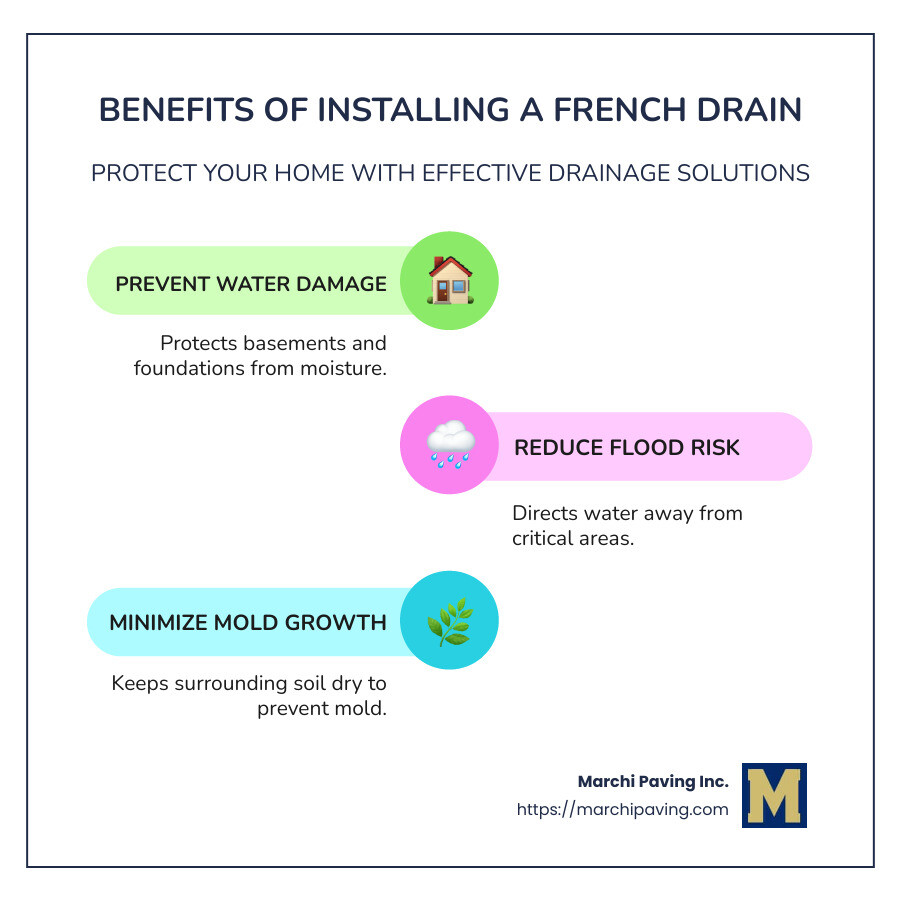
- Prevents Water Damage: Protects basements and foundations.
- Reduces Flood Risk: Directs water away from critical areas.
- Minimizes Mold Growth: Keeps surrounding soil dry.
For anyone who has faced the dismay of a flooded basement or water-damaged landscape, a French drain can be a valuable asset. Simple yet effective, these systems guide water away from potential problem areas, using a trench filled with gravel and a cleverly positioned perforated pipe. This combination encourages water to travel through the easiest path—away from the home—using gravity to facilitate a smooth flow.
By considering a French drain, you’re investing in the longevity of your property, reducing potential repair costs from water-induced issues.
 rainage systems installation infographic infographic-line-3-steps-colors
Quick french drainage systems installation definitions:
– french drain system
– drainage trench
– home drainage solutions
Understanding French Drainage Systems
French drainage systems are your home’s unsung heroes when it comes to managing excess water. They work tirelessly underground to keep your property dry and safe from water damage.
The Purpose of a French Drain
The main goal of a French drain is to redirect water away from areas where it can cause harm. Imagine your yard as a sponge. When it rains, that sponge can get overly saturated, leading to pooling water and potential damage. A French drain acts as a pathway for this excess water, guiding it to a safer location.
Groundwater and Surface-Water Management
Groundwater and surface-water are two culprits that can wreak havoc on your property. Groundwater seeps through the soil and can flood basements, while surface-water—often from rainfall—can create pools in your yard.
A French drain helps manage both by:
- Collecting groundwater: The gravel and perforated pipe in the trench allow water to seep in and be carried away.
- Directing surface-water: It channels rainwater from your yard to a designated drainage area, preventing it from settling near your home.
Mold Prevention
Standing water isn’t just a nuisance; it’s a breeding ground for mold. Mold thrives in damp conditions and can pose health risks to your family. By keeping your foundation dry, a French drain reduces the likelihood of mold growth.

A Real-World Example
Consider New Orleans, which recently faced significant drainage challenges. The city removed over 46 tons of Mardi Gras beads from storm drains, highlighting the importance of effective drainage systems . While a French drain won’t handle Mardi Gras beads, it effectively manages water, preventing similar blockages and flooding issues.
In summary, French drainage systems installation is a proactive step towards protecting your home. By understanding their purpose and benefits, you’re better equipped to tackle water-related challenges. Next, we’ll explore how to install these systems, whether you choose to DIY or hire a professional.
French Drainage Systems Installation
Tools and Materials Needed
Installing a French drainage system isn’t as daunting as it might seem, especially if you have the right tools and materials. Whether you’re going the DIY route or opting for professional help, here’s what you’ll need:
Tools:
– Trencher: Essential for digging the trench. You can rent one if you don’t have it.
– Digging Shovel: Useful for smaller adjustments and manual digging.
– Tape Measure: For accurate measurements.
– Level: To ensure the proper slope for water flow.
Materials:
– Perforated Pipe: A 4-inch diameter pipe works for most residential needs. It allows water to enter and flow through the system.
– Landscape Fabric: Helps to keep dirt and roots out of the pipe.
– Gravel: Acts as a bedding and cover for the pipe, aiding in water filtration.
Step-by-Step Installation Guide
Installing a French drain can be a rewarding DIY project, but it requires careful planning and execution. Here’s a simple guide to help you through the process:
- Plan Your Trench
Identify where water is pooling and where you want it to go. Use stakes or spray paint to mark the trench path. Ensure a slope of at least 1% (1 inch drop per 10 feet of pipe) to facilitate water flow. - Dig the Trench
Use a trencher or shovel to dig a trench approximately 18 inches deep and 9 to 12 inches wide. Check for underground utility lines before you start digging. - Line with Landscape Fabric
Lay water-permeable landscape fabric in the trench. Leave at least 10 inches of excess fabric on the sides. This prevents dirt and silt from clogging the pipe. - Add Gravel Bedding
Pour about 3 inches of gravel into the trench. Compact it to create a stable base for the pipe. - Place the Perforated Pipe
Lay the perforated pipe on top of the gravel. Ensure the holes face downward to allow water to enter. Secure any necessary fittings to extend the pipe from the water collection point to the drainage outlet. - Cover with Gravel and Fabric
Add another layer of gravel over the pipe, keeping it below ground level. Fold the excess landscape fabric over the gravel to protect the system from debris. - Backfill with Topsoil
Fill the trench with topsoil and compact it. This completes the installation and helps the drain blend into your landscape.
Cost Considerations
DIY Installation: The cost of a DIY French drain installation is around $528 for a 25-foot system. This includes rental equipment and materials like gravel and pipe. That’s about $21.12 per linear foot.
Professional Installation: Hiring a professional can cost between $10 to $75 per linear foot. While more expensive, it can save you time and ensure a flawless installation.
In both cases, consider the cost of permits and any additional landscaping needed post-installation.
By following this guide, you’ll be well on your way to installing a French drainage system that protects your property from water damage. Next, we’ll look at common mistakes to avoid during installation.
Common Mistakes and How to Avoid Them
Installing a French drain can solve many drainage problems, but it’s easy to make mistakes that can reduce its effectiveness. Here’s how to avoid the most common pitfalls.
Improper Slope
A French drain relies on gravity to move water. Without the right slope, water won’t flow properly, and your system could fail.
- Minimum Slope: Ensure a slope of at least 1% (1 inch drop per 10 feet of pipe). This allows water to flow smoothly toward the drainage outlet.
- Check Regularly: As you dig, use a level to verify the slope. This helps you maintain the correct angle throughout the trench.
Clogging
Clogs can render your French drain useless. They usually occur when debris enters the system and blocks the flow of water.
- Use Filter Fabric: Lining your trench with landscape fabric is essential. It keeps dirt and roots out of the pipe.
- Regular Maintenance: Inspect your French drain periodically. Clear any debris from the inlet and outlet, and flush the system if necessary to prevent build-up.
Incorrect Materials
Choosing the wrong materials can lead to inefficiencies and a shorter lifespan for your French drain.
- Perforated Pipe: Always use high-quality perforated PVC pipes. They allow water to enter evenly along the drain’s length.
- Gravel: Use clean, large gravel or landscaping stone. This helps with water filtration and prevents the pipe from getting clogged.
By avoiding these mistakes, you can ensure your French drainage systems installation is effective and long-lasting. Proper planning and attention to detail make all the difference. Next, we’ll explore how to maintain your French drain system to keep it functioning optimally.
Maintenance and Upkeep
Once you’ve installed your French drain, keeping it in top shape is crucial for long-term effectiveness. Regular inspection, cleaning, and blockage detection are key components of maintaining your drainage system.
Regular Inspection
Consistent Checks: Set a schedule to inspect your French drain at least once a year. Look for signs of standing water, especially after a heavy rain. These can indicate a problem with the drainage system.
Watch for Erosion: Check the areas around the trench for signs of erosion or soil displacement. These could suggest that water isn’t being directed properly.
Cleaning
Clear the Inlet and Outlet: Regularly remove any debris around the inlet and outlet points. Leaves, dirt, and other materials can block water flow, leading to backups.
Flush the System: Every few months, flush your French drain with water to clear out any accumulated silt or debris. This simple step can prevent clogs before they become significant problems.
Blockage Detection
Spotting Clogs: Slow drainage or soggy areas in your yard are signs of a potential clog. If you notice these, it might be time to investigate further.
Tools for Clearing: For minor clogs, a garden hose might do the trick. For more stubborn blockages, consider using a plumbing snake or even a pressure washer to clear the pipe.
By following these maintenance tips, you can keep your French drain system functioning efficiently and extend its lifespan. Proper upkeep ensures that water is effectively diverted away from your home, safeguarding against water damage and mold growth.
Next, let’s tackle some frequently asked questions about French drains to help you understand this drainage solution even better.
Frequently Asked Questions about French Drains
What is the average cost to have a French drain installed?
The cost of installing a French drain can vary significantly based on several factors, including whether you choose a DIY approach or hire professionals. On average, professional installation costs between $10 to $75 per linear foot. This wide range reflects differences in project complexity, location, and specific requirements.
For a typical project, you might spend around $6,200 for professional installation, but this can fluctuate based on the length of the drain and other factors. If you opt for a DIY installation, the cost is generally lower, around $528 for a 25-foot system, which breaks down to about $21.12 per linear foot. This includes expenses for renting equipment and purchasing necessary materials.
How deep should a French drain be buried?
The depth of a French drain is crucial for its effectiveness. Generally, for yard drainage, the trench should be 8 inches to 2 feet deep. This depth helps manage surface water and prevents pooling. If you’re installing a French drain to protect a foundation or retaining walls, the trench should be deeper, ideally reaching the level of the foundation’s footing.
Depth can vary based on the specific needs of your project and the soil type. For instance, in areas with heavy clay soil, you might need to dig deeper to ensure proper drainage.
Can I install a French drain myself?
Yes, installing a French drain as a DIY project is possible and can save you money. However, it requires time, effort, and some technical know-how. Here are a few considerations:
- Tools and Equipment: You’ll need to rent or purchase equipment like trenchers and a wheelbarrow. A sod cutter, tape measure, and level are also essential.
- Physical Labor: Digging the trench and laying the pipe involves significant manual labor. Be prepared for a physically demanding task, especially if you’re working with challenging soil types like clay.
- Knowledge and Skills: Understanding how to create the correct slope and avoid common mistakes is crucial. Improper installation can lead to ineffective drainage and potential property damage.
While DIY installation is feasible, hiring a professional can ensure the job is done correctly and efficiently. Professionals bring expertise, experience, and equipment to handle any unforeseen challenges, potentially saving you time and future repair costs.
By weighing these factors, you can decide the best approach for your French drainage systems installation needs.
Conclusion
At Marchi Paving Inc., we understand that effective drainage solutions are essential for protecting your property from water damage and maintaining a healthy landscape. With over 20 years of experience, we specialize in providing high-quality, professional services custom to meet your specific needs.
Our expert team is equipped with advanced machinery to ensure precision and efficiency in every project. From French drainage systems installation to comprehensive drainage solutions, we are committed to delivering outstanding results that stand the test of time.

Choosing Marchi Paving Inc. means partnering with a team that prioritizes your satisfaction and peace of mind. We handle everything from the initial assessment to the final installation, ensuring your property is protected from the risks of water damage. Our attention to detail and dedication to excellence set us apart, making us the go-to choice for all your drainage needs.
Ready to safeguard your home and landscape? Contact us today to learn more about our expert services and get a detailed quote. Experience the Marchi Paving difference and enjoy a dry, worry-free environment.
Cost of Driveway Paving: Top 5 Affordable Options
When it comes to boosting your property’s curb appeal and functionality, few things make a bigger impact than a well-paved driveway. But understanding the cost of driveway paving can be tricky with so many factors to consider. Here’s a quick overview:
- Average Cost: Depending on materials and size, expect to spend anywhere from $1 to $20+ per square foot.
- Top Materials: Popular choices include asphalt, concrete, gravel, and interlocking pavers—each with its own cost and benefits.
- Key Cost Factors: Driveway size, material choice, site preparation, and local labor rates all play a role in the final price.
Selecting the right driveway material is crucial, not only for aesthetics but also for durability and maintenance over time. Asphalt and concrete are traditional picks, each with their own sets of pros and cons. Meanwhile, gravel offers a budget-friendly alternative, and interlocking pavers provide a premium look with flexibility in design patterns.
Understanding the cost factors can help in budgeting effectively. Variables such as the complexity of the driveway design, the need for excavation, and the cost of labor in your area can significantly influence the total expenditure.
By the end of this article, you’ll have a clearer understanding of the different materials available and the factors that impact their costs, empowering you to make an informed decision for your next home improvement project.

Cost of driveway paving terms you need:
– driveway paving
– driveway contractors
– paving contractors
Cost of Driveway Paving
When considering the cost of driveway paving, break down the expenses into three main categories: materials, installation, and labor costs. Each of these factors contributes to the overall price, and understanding them can help you make a more informed decision.
Materials
The choice of materials significantly impacts the cost. Here’s a quick rundown:
- Asphalt: Generally costs between $7 to $15 per square foot. It’s affordable and durable, making it a popular choice for many homeowners.
- Concrete: More expensive than asphalt, ranging from $8 to $18 per square foot. It offers a clean, modern look and can last longer with proper maintenance.
- Gravel: The most budget-friendly option at $1 to $3 per square foot. While cheaper, it requires regular upkeep to maintain its appearance.
- Interlocking Pavers: These can cost between $10 to $50 per square foot, offering a high-end look with customizable designs.
- Recycled Asphalt: Offers cost savings, with prices ranging from $10 to $20 per ton. It’s an eco-friendly option that can reduce your expenses.
Installation
Installation costs can vary based on the complexity of the driveway design and site preparation needs. A straightforward, flat driveway will cost less than one with curves or elevation changes. Additionally, if the site requires significant grading or drainage solutions, expect the installation costs to rise.
Labor Costs
Labor costs often make up a substantial portion of the paving expenses. Skilled labor for asphalt paving can range from $5 to $9 per square foot. This includes tasks like removing old pavement, grading, and ensuring proper drainage.
The labor cost can also depend on your location. In areas with higher living costs, expect to pay more for skilled labor. Always get multiple quotes from local contractors to ensure you’re getting a fair price.

Summary
Understanding the various components of driveway paving costs can help you budget more effectively. Whether you’re leaning towards a durable asphalt driveway or a cost-effective gravel option, knowing the material, installation, and labor costs will guide you in making the best choice for your needs.
Driveway Materials and Their Costs
When it comes to paving your driveway, choosing the right material is crucial. Each option has its own cost and characteristics, affecting both your budget and the look of your home. Let’s explore some popular choices.
Concrete
Concrete is a durable and versatile option for driveways. It typically costs between $8 to $18 per square foot. While more expensive than asphalt, concrete can last up to 40 years with proper maintenance. It can be colored or stamped to mimic natural stone, offering a range of design possibilities.
Pros: Long lifespan, low maintenance, and customizable aesthetics.
Cons: Higher upfront cost and potential for cracking in freeze-thaw cycles.
Asphalt
Asphalt driveways are a popular choice due to their affordability and ease of installation. They generally cost $7 to $15 per square foot. Asphalt is flexible, which helps it withstand temperature fluctuations, but it may require periodic resealing.
Pros: Cost-effective and quick to install.
Cons: Requires regular maintenance and may not last as long as concrete.
Gravel
Gravel is the most budget-friendly option, costing only $1 to $3 per square foot. It’s ideal for rural areas and properties with long driveways. Gravel driveways are permeable, which helps with drainage, but they need regular grading and replenishing.
Pros: Low cost and good drainage.
Cons: High maintenance and potential for uneven surfaces.
Pavers
Interlocking pavers offer a high-end look and excellent durability. They can range from $10 to $50 per square foot. Pavers are available in various materials like concrete, clay, or stone, and they can be easily repaired by replacing individual units.
Pros: Aesthetic appeal and easy repairs.
Cons: High material and installation costs.
Rubber
Rubber driveways are an eco-friendly option made from recycled tires. While not as common, they offer good durability and flexibility. Costs can vary widely, so get quotes from local suppliers.
Pros: Environmentally friendly and slip-resistant.
Cons: Limited availability and potentially higher costs.
Cost Comparison
Here’s a quick comparison table to help you visualize the costs:
| Material | Cost per Square Foot | Lifespan | Maintenance |
|---|---|---|---|
| Concrete | $8 – $18 | Up to 40 years | Low |
| Asphalt | $7 – $15 | 20-30 years | Moderate |
| Gravel | $1 – $3 | 5-10 years | High |
| Pavers | $10 – $50 | 25-50 years | Low |
| Rubber | Varies | 20+ years | Low |
Choosing the right material depends on your budget, aesthetic preferences, and how much maintenance you’re willing to do. Each option offers unique benefits and considerations, so weigh them carefully to find the best fit for your driveway needs.
Factors Influencing Driveway Paving Costs
When it comes to the cost of driveway paving, several key factors can significantly impact your budget. Let’s break them down to help you understand what to consider.
Size
The size of your driveway is a major cost driver. Larger driveways require more materials and labor, leading to higher costs. Whether you’re paving a small urban driveway or a sprawling country lane, size matters. Always measure carefully to avoid buying more material than you need.
Site Conditions
The current condition of your site can make or break your budget. If your site is uneven or has drainage issues, you’ll need to invest in grading and preparation. This can add to the overall cost but is crucial for a long-lasting driveway. A well-prepared site ensures stability and helps prevent future problems like cracking or water pooling.
Design Choices
Fancy designs can lift your driveway’s look but also increase costs. Curved shapes, decorative borders, or stamped patterns require more labor and skill, making them more expensive. If you’re on a tight budget, consider keeping it simple. A straightforward design will be more cost-effective and still functional.
Excavation
Excavation is another factor that can add to the cost. If your site has existing structures like old driveways or large trees, these will need to be removed. Excavation involves breaking up and hauling away old materials, which can be labor-intensive and costly. However, it’s a necessary step for a stable foundation.
Understanding these factors will help you plan and budget for your driveway paving project. The next section will dig into the durability, maintenance, and climate suitability of different materials.
Comparing Asphalt and Concrete Driveways
When deciding between asphalt and concrete driveways, consider durability, maintenance, and climate suitability. Each material has its pros and cons, and understanding these can guide your choice.
Durability
Concrete driveways are renowned for their strength and longevity. They can last up to 40 years or more, especially in warmer climates where they aren’t subject to freeze-thaw cycles. Concrete is a solid choice if you expect heavy traffic or need a driveway that can withstand large vehicles.
On the other hand, asphalt driveways typically last about 15 to 20 years. However, with regular maintenance, you can extend their lifespan. Asphalt is more flexible than concrete, which makes it less prone to cracking under pressure.
Maintenance
Maintenance is another area where these materials differ. Asphalt driveways require periodic sealcoating to protect against water damage and UV rays. This might seem like a hassle, but it can be an opportunity to refresh the driveway’s appearance. Small cracks in asphalt can be easily repaired with cold mix asphalt, keeping the surface smooth and safe.
In contrast, concrete driveways require less frequent maintenance. Regular sealing can improve their appearance and lifespan, but it’s not as critical as it is for asphalt. Concrete is less prone to damage from weather elements, making it a low-maintenance option.
Climate Suitability
Climate plays a significant role in determining which material is best for your driveway. Asphalt driveways are well-suited for colder climates. Their dark color absorbs heat, helping to melt snow and ice more quickly. However, extreme heat can soften asphalt, leading to deformation.
Concrete driveways perform better in warmer climates. They are less likely to crack under intense heat, but they can be susceptible to damage from freeze-thaw cycles in colder areas. If you live in a region with harsh winters, consider adding a heated driveway system to combat ice buildup.
In summary, both asphalt and concrete have their unique advantages. Your choice will depend on your specific needs, budget, and the climate in your area. As you ponder these options, the right choice will offer both functionality and curb appeal to your home.

Frequently Asked Questions about Driveway Paving Costs
What is the cheapest driveway paving option?
If you’re on a budget, gravel is the most affordable choice for paving a driveway. It costs between $1 and $3 per square foot, making it a cost-effective solution for large areas. Plus, gravel driveways are easy to install and require minimal tools—just a truck and a shovel can get you started. However, keep in mind that gravel needs periodic maintenance like grading and replenishing to keep the surface even.
How long does a driveway last?
The lifespan of a driveway depends heavily on the material used. Gravel driveways, for example, can last up to 100 years with proper care, although they might require regular maintenance to stay in top shape.
Concrete driveways offer a lifespan of 30 to 40 years. They require minimal maintenance, mainly sealing to improve appearance and durability. Asphalt driveways typically last 15 to 30 years. Regular sealing is crucial to extend their life and maintain their appearance. Each material has its strengths, so consider your needs and how much maintenance you’re willing to commit to.
Is it cheaper to asphalt or concrete a driveway?
When comparing the cost of driveway paving with asphalt versus concrete, asphalt generally comes out as the cheaper option. Asphalt paving costs range from $3 to $7 per square foot, whereas concrete ranges from $5 to $10 per square foot. Installation costs also vary; asphalt is quicker to install and can be driven on sooner than concrete, which needs 7 to 10 days to cure.
However, the initial cost isn’t the only factor to consider. Asphalt requires more frequent maintenance, like sealcoating, which can add to long-term expenses. Concrete, while more expensive upfront, often has lower maintenance costs over its lifespan. When deciding, weigh the initial and ongoing costs against your budget and the specific needs of your driveway.
Conclusion
Choosing the right contractor for your driveway paving project is crucial. At Marchi Paving Inc., based in Chelmsford, MA, we bring over 20 years of experience in delivering high-quality results. Our team specializes in asphalt paving, ensuring that every project is executed with precision and care.
What sets us apart is our commitment to in-house execution. This means we handle every part of your project ourselves, maintaining strict quality control from start to finish. Our team is equipped with advanced machinery that improves the efficiency and precision of our work, ensuring your driveway is not only beautiful but also durable.
We understand the importance of using the best materials and techniques to extend the lifespan of your driveway. Whether it’s a residential driveway or a commercial parking lot, our focus is on delivering a smooth, long-lasting surface that meets your needs and budget.
For those in the Chelmsford area looking to invest in a new driveway, we offer personalized solutions custom to your specific requirements. Our customer-centric approach ensures transparent communication and detailed project planning, so you know exactly what to expect every step of the way.
Ready to transform your driveway? Contact us today for a detailed quote and experience the Marchi Paving difference. Let us help you pave the way to a more beautiful and valuable property.
Asphalt Driveway Company Near Me: Top 5 Reliable Experts
Considering asphalt driveway company near me? The process of installing or repairing an asphalt driveway involves several important steps and considerations. Asphalt driveways stand out for their cost-effectiveness, durability, and quick installation, making them a popular choice for homeowners and property managers alike.
- Quick Installation: Most asphalt projects can be completed in a day or two, minimizing disruption.
- Durability: With proper maintenance, asphalt driveways can last for decades.
- Cost Factors: Installation costs depend on the scope of the project, materials, and labor, but generally offer an affordable alternative to other paving options.
Choosing a reliable asphalt driveway company is essential for ensuring your project meets quality and durability standards. Keep reading to learn about key factors to consider, including cost breakdowns and the benefits of asphalt over concrete.

Asphalt driveway company near me glossary:
– asphalt driveways
– driveway sealing companies near me
– parking lot paving
Understanding Asphalt Driveway Costs
When considering an asphalt driveway company near me, understanding the cost breakdown is crucial. Asphalt driveways are known for their affordability and durability, but several factors influence the final price.
Cost Per Square Foot
The cost for paving an asphalt driveway typically ranges from $7 to $15 per square foot. This includes both materials and labor. That prices can vary based on your location and specific project requirements.
Material Costs
Different materials can affect the overall cost of your driveway:
- Asphalt: Generally more affordable, costing between $2 to $6 per square foot. Asphalt is a popular choice for its balance of cost and durability.
- Concrete: More expensive, ranging from $4 to $10 per square foot. While durable, concrete can be prone to cracking in freeze-thaw conditions.
- Gravel: The most budget-friendly option, usually $1 to $2 per square foot. Ideal for temporary or rural driveways.

Labor Costs
Labor is a significant part of the cost. Skilled labor for asphalt paving can range from $5 to $9 per square foot. This includes:
- Preparation Work: Removing old pavement, grading, and ensuring proper drainage.
- Installation: Laying down the asphalt and compacting it to the right thickness.
Proper installation by experienced professionals ensures the longevity and durability of your driveway.
Factors Affecting Cost
Several factors can influence the overall cost of your asphalt driveway:
- Driveway Size and Shape: Larger driveways or those with complex shapes will cost more due to the increased amount of materials and labor required.
- Preparation Work: If your existing driveway needs significant prep work, such as removing old pavement or addressing drainage issues, expect higher costs.
- Accessibility: Difficult-to-reach locations may require specialized equipment, increasing labor costs.
- Thickness and Durability Requirements: Driveways intended for heavy vehicles may need thicker asphalt, which costs more.
- Regional Costs and Labor Rates: Prices can vary based on your location. Get quotes from local contractors to get an accurate estimate.
By understanding these cost factors, you can make informed decisions and budget for your asphalt driveway paving project. Next, we’ll explore how to choose the best asphalt driveway company near you to ensure quality and satisfaction.
How to Choose the Best Asphalt Driveway Company Near You
Finding the right asphalt driveway company near me is crucial for ensuring a quality installation that lasts. Here’s what to look for:
Reputation
A company’s reputation can tell you a lot about their work quality and reliability. Look for companies with a long history in the business. For instance, Marchi Paving Inc. has been serving the Chelmsford, MA area for years, building a reputation for excellence.
Key indicators of a good reputation:
- Years in Business: Longevity often indicates reliability and consistent service.
- Industry Recognition: Awards or certifications can highlight a company’s commitment to quality.
Customer Reviews
Customer feedback is invaluable. Reviews give you insight into the experiences of past clients and can highlight a company’s strengths and weaknesses.
- Positive Feedback: Look for companies with high ratings and positive customer testimonials.
- Response to Criticism: How a company handles negative reviews can show their commitment to customer satisfaction.
For example, a customer from Oxford, MS praised a family-owned business for completing a driveway project in one day, noting their professionalism and adherence to quoted prices.
Service Offerings
Different projects require different services. A comprehensive service offering ensures that the company can meet all your needs.
Essential Services to Consider:
- Paving and Resurfacing: Ensure they offer both to handle new installations and refresh existing driveways.
- Maintenance and Repairs: Regular maintenance like sealcoating and crack filling can extend the life of your driveway.
- Custom Solutions: Look for companies that can tailor their services to meet specific needs, like eco-friendly materials or unique design requests.
By focusing on these aspects, you can find a reliable and skilled asphalt company that will deliver a durable and attractive driveway. Next, we’ll dig into the benefits of choosing asphalt over concrete, helping you make a more informed decision for your driveway needs.
Benefits of Asphalt Over Concrete
When deciding between asphalt and concrete for your driveway, it’s important to weigh the pros and cons of each. Here’s why asphalt often comes out on top:
Cost Comparison
Asphalt is generally more affordable than concrete. The initial installation costs are lower, making it a budget-friendly choice for many homeowners. Plus, asphalt’s maintenance costs are typically lower over time.
- Initial Costs: Asphalt is cheaper to install compared to concrete.
- Maintenance Costs: Regular sealcoating and minor repairs are cost-effective, keeping your driveway in good shape for years.
Installation Time
If you’re looking for a quick turnaround, asphalt is the way to go. Asphalt driveways can be installed and ready to use much faster than concrete ones.
- Quick Installation: Asphalt can be laid and cured in a matter of days.
- Minimal Downtime: You’ll be able to use your new driveway sooner, reducing the inconvenience of construction.
Maintenance
While both materials require maintenance, asphalt is easier and cheaper to upkeep. Regular sealcoating protects it from the elements, while small cracks can be easily filled.
- Sealcoating: Protects against UV rays and water damage, extending the life of your driveway.
- Simple Repairs: Cold mix asphalt is an easy fix for minor cracks, keeping your surface smooth and safe.
 hic 4_facts_emoji_blue
Environmental Impact
Asphalt is highly recyclable, which makes it an eco-friendly choice. Old asphalt can be reused, reducing waste and contributing to sustainability.
- Recyclability: Asphalt is one of the most recycled materials in America.
- Eco-Friendly: Using recycled asphalt not only benefits the environment but also improves the durability of the surface.
Choosing asphalt for your driveway offers several advantages over concrete, especially in terms of cost, installation speed, and maintenance ease. This makes it a popular choice for homeowners seeking a practical and long-lasting solution.
Next, let’s address some common questions about asphalt driveways, including costs and comparison with other materials.
Frequently Asked Questions about Asphalt Driveways
How much does it cost to asphalt a driveway?
The cost to asphalt a driveway can vary, but on average, you might expect to pay between $3 and $5 per square foot. Several factors influence this price, including the size and thickness of the asphalt layer. For instance, a thicker layer improves durability but also increases the cost.
- Size Matters: A larger driveway means more material and labor, raising the total expense.
- Thickness Counts: While thicker layers last longer, they do cost more initially.
Is asphalt cheaper than concrete?
In most cases, asphalt is cheaper than concrete, both in terms of initial and long-term costs.
- Short-Term Costs: Asphalt is less expensive to install than concrete. This makes it a popular choice for budget-conscious homeowners.
- Long-Term Costs: Although asphalt requires more frequent maintenance, such as sealcoating, these costs are generally lower than the long-term maintenance costs of concrete.
How do you calculate the cost of an asphalt driveway?
Calculating the cost of an asphalt driveway involves a few key steps:
- Measure the Area: Start by measuring the length and width of your driveway to find the total square footage.
- Estimate Material Costs: Multiply the square footage by the cost per square foot to get a rough estimate of material costs.
- Consider Additional Factors: Labor, thickness of the asphalt layer, and any necessary site preparation will add to the overall cost.
For a more accurate estimate, it’s best to get quotes from local contractors. They can provide insights based on regional material and labor costs, as well as any specific needs your driveway might have.
Understanding these aspects can help you budget effectively for your asphalt driveway project, ensuring you get the best value for your investment.
Conclusion
Choosing the right asphalt driveway company near you is crucial for ensuring a durable and aesthetically pleasing driveway. At Marchi Paving Inc., we are committed to delivering high-quality service that stands the test of time. Our dedication to quality begins with using only the best materials and advanced equipment, ensuring that every project is completed to the highest standards.
Quality Service: With over 20 years of experience, we pride ourselves on our meticulous approach to each project. Our team handles everything in-house, maintaining strict quality control. This means you can trust us to deliver a driveway that not only looks great but also performs well over time. Our clients consistently praise our attention to detail and commitment to customer satisfaction.
Advanced Equipment: We invest in state-of-the-art equipment to improve the efficiency and precision of our work. This allows us to complete projects on schedule and within budget, without compromising on quality. Our advanced machinery ensures that your driveway is smooth, durable, and ready to withstand the elements.
Whether you’re in Chelmsford, MA, or any of the surrounding areas we serve, our team is ready to help you achieve a driveway that improves your home’s curb appeal. Contact us today for a detailed quote and experience the Marchi Paving difference.
Pipe Drain: Top 5 Essential & Reliable Products 2025
Pipe drain systems play a crucial role in managing water effectively, both on residential and commercial properties. They are essential for directing water away from surfaces, reducing the risk of flooding, and maintaining structural integrity. Properly installed drainage systems allow for efficient water transfer, prevent waterlogging, and minimize erosion, ensuring long-term durability and environmental health.
To quickly satisfy your curiosity about the key components and benefits of pipe drain systems, consider these points:
- Water Management: Effectively directs rainwater and waste away from buildings.
- Flood Prevention: Reduces the risk of water damage by channeling excess water safely away.
- Durability: Well-maintained systems last a long time with minimal issues.
Efficient water management is not just about preventing floods; it involves sustainable practices that safeguard the environment and improve property value. In Middlesex County, MA, homeowners and property managers can benefit from properly designed and installed drainage systems, which improve safety and accessibility while reducing long-term maintenance costs.

Pipe drain terms to know:
– drain pipe
– drainage trench
– install a french drain
Types of Drainage Pipes
When it comes to managing water effectively on your property, understanding the different types of drainage pipes is key. Each type serves a specific purpose and is designed to handle different water management challenges. Let’s explore the main types of drainage pipes you might encounter, and how they can benefit your home or business.
Surface Drainage
Surface drainage systems are essential for removing excess water from the ground’s surface. They are commonly used in areas prone to waterlogging and help prevent flooding by channeling rainwater away from your property. This type of system includes structures like ditches, culverts, and stormwater drains. By keeping water off the surface, you can protect your landscape and structural foundations from damage.
Subsurface Drainage
Subsurface drainage addresses water that saturates the soil beneath the ground surface. This system uses pipes and porous materials to allow water to flow through the soil and be collected or drained away. French drains are a popular type of subsurface drainage. They consist of a trench filled with gravel or rock, with a perforated pipe at the bottom to direct water away from problem areas. Subsurface systems are crucial for improving soil quality and preventing erosion.
Slope Drainage
Slope drainage is designed to move water down a slope or incline, preventing it from pooling or causing erosion. These systems use pipes installed on a slope to guide water downwards efficiently. Slope drainage is particularly beneficial in hilly or uneven terrains where water naturally flows downward but needs guidance to prevent property damage.
Downspouts
Downspouts are an integral part of any roof drainage system. They channel rainwater from the gutters to the ground, directing it away from the foundation of your building. Properly installed downspouts help prevent basement flooding and foundation damage by ensuring water is efficiently moved away from the structure.
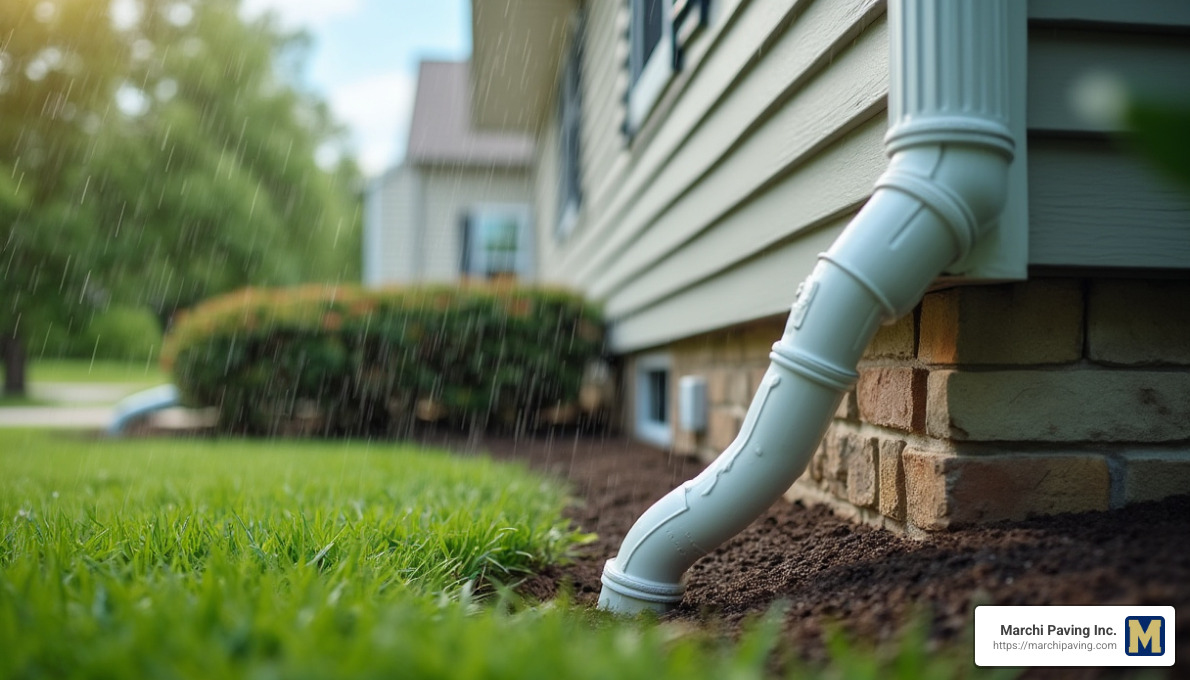
Incorporating the right type of drainage pipe for your specific needs can make a significant difference in water management and property protection. Each system has its unique advantages, and understanding these can help you make informed decisions about your drainage solutions.
Pipe Drain: Essential Features and Benefits
Pipe drains are an integral part of any effective drainage system, serving multiple crucial functions that protect your property from water-related issues. Let’s explore the essential features and benefits of pipe drains, focusing on wastewater disposal, flood prevention, and long-term durability.
Wastewater Disposal
Efficient wastewater disposal is vital for maintaining sanitation and preventing environmental contamination. Pipe drains are designed to transport wastewater from homes and businesses to treatment facilities or septic systems. This process ensures that waste is safely removed from your property, reducing the risk of harmful bacteria and unpleasant odors.
Modern pipe drains, like those made from PVC or HDPE, are particularly effective for wastewater disposal due to their smooth interior surfaces, which minimize friction and allow for the free flow of waste. This efficiency helps prevent blockages and backups, which can lead to costly repairs.
Flood Prevention
Flooding can cause significant damage to property and landscapes. Pipe drains play a crucial role in flood prevention by directing excess rainwater away from vulnerable areas. Systems like French drains and slope drainage are specifically designed to manage large volumes of water, preventing it from accumulating and causing floods.
By channeling water away from your property, pipe drains help protect your foundation, prevent soil erosion, and reduce the likelihood of basement flooding. This proactive approach not only safeguards your home but also maintains the integrity of your landscape design.
Long-Term Durability
When investing in a drainage system, long-term durability is a key consideration. Pipe drains made from materials like HDPE and ABS are known for their strength and resistance to environmental factors such as corrosion and temperature fluctuations. These materials ensure that the drainage system remains functional over many years, providing reliable protection against water damage.
Moreover, the durability of pipe drains reduces the need for frequent replacements or repairs, offering long-term cost savings. By choosing high-quality materials and designs, you can ensure that your drainage system will withstand the test of time and continue to perform effectively.
In summary, pipe drains are essential for managing wastewater, preventing floods, and ensuring long-term durability in your drainage system. Understanding these features and benefits can help you make informed decisions about the best solutions for your property.
Top Drainage Pipe Products
When it comes to selecting the best drainage pipe products, there are a few standout options that cater to different needs and applications. Let’s dig into some of the top choices, including French drains, Flexicore cables, and Solid ARMOR pipes.
French Drains
French drains are a popular solution for managing water runoff and preventing flooding. They consist of a trench filled with gravel or rock, containing a perforated pipe that captures and channels water away from areas prone to pooling. The design leverages gravity to naturally direct water to a designated drainage area.
Key benefits of French drains include:
- Effective Water Management: Ideal for redirecting excess water from low-lying areas.
- Versatility: Can be installed in various settings, such as gardens, driveways, and basements.
- Low Maintenance: Once installed, they require minimal upkeep.
French drains are particularly useful in preventing water from damaging foundations and landscapes by efficiently managing surface water.
Flexicore Cables
At the heart of many effective drain cleaning machines lies the Flexicore cable. Known for its strength and durability, the Flexicore cable is a patented solution that stands out in the industry. Professionals appreciate its robust design, which ensures longevity and reliable performance.
Advantages of Flexicore cables include:
- Exceptional Durability: Patented design makes it one of the strongest cables available.
- Cost Efficiency: Long-lasting nature reduces replacement frequency, saving on costs.
- Versatile Application: Suitable for a wide range of drain cleaning tasks.
Flexicore cables are a trusted choice among professionals who demand the best in drain cleaning technology.
Solid ARMOR Pipe
For those seeking a durable and reliable option, the Solid ARMOR pipe is an excellent choice. These pipes are engineered to withstand harsh environmental conditions, making them ideal for both residential and commercial applications.
Notable features of Solid ARMOR pipes include:
- High Durability: Resistant to corrosion and environmental wear, ensuring long-term use.
- Robust Construction: Designed to handle heavy loads and pressure without compromising performance.
- Wide Range of Applications: Suitable for various drainage needs, from wastewater disposal to stormwater management.
Solid ARMOR pipes are an investment in quality, offering peace of mind with their proven resilience and effectiveness.
In summary, choosing the right drainage pipe product depends on your specific needs and the environmental conditions of your property. Whether you opt for the versatile French drain, the robust Flexicore cable, or the resilient Solid ARMOR pipe, each offers unique benefits ensuring effective water management and protection for your property.
How to Maintain Your Drainage Pipes
Proper maintenance of your drainage pipes is crucial for preventing clogs and ensuring long-lasting performance. Here are some key strategies to keep your system in top shape.
Clog Prevention
Preventing clogs is easier than dealing with them after they’ve formed. Here are a few simple practices:
- Avoid Pouring Grease Down the Drain: Grease can solidify and cause blockages. Instead, dispose of it in the trash.
- Use Drain Covers: These can catch hair, food particles, and other debris before they enter the pipes.
- Regular Flushing: Pour boiling water down your drains once a week. This helps dissolve and flush away any minor build-up.
Rooter Service
For more stubborn clogs, a rooter service can be invaluable. This professional service uses specialized tools to clear blockages caused by roots or other tough obstructions.
- Professional Expertise: Skilled technicians can efficiently handle severe clogs without damaging your pipes.
- Advanced Tools: Rooter services often use equipment like plumbing snakes and hydro jets to clear out the toughest blockages.
Drain Cleaning Products
Using the right drain cleaning products can prevent clogs and keep your pipes flowing smoothly. However, it’s important to choose safe and effective options.
- Natural Solutions: A mixture of baking soda and vinegar followed by hot water is a safe way to clean drains without harsh chemicals.
- Chemical Cleaners: If you opt for chemical cleaners, use them sparingly and choose products that are safe for your pipe material.
Maintaining your drainage pipes not only prevents costly repairs but also ensures your system runs efficiently. In the next section, we’ll address some frequently asked questions about pipe drain to further improve your understanding and management of drainage systems.
Frequently Asked Questions about Pipe Drain
What is a drain pipe?
A drain pipe is a vital component of any drainage system. It is designed to transfer water and other liquids away from areas where they could cause damage. These pipes can be made from various materials like PVC, ABS, or HDPE, each offering unique benefits.
Drain pipes are essential in both residential and commercial settings. They help manage wastewater disposal and prevent flooding by efficiently moving water away from buildings and paved areas.
How do you drain a clogged pipe?
Clogged pipes are a common issue but can often be resolved with simple solutions. Here’s a quick method using items you likely have at home:
- Baking Soda and Vinegar: Pour half a cup of baking soda down the clogged drain, followed by half a cup of vinegar. This combination creates a fizzing reaction that can help break down the clog.
- Wait and Flush: Let the mixture sit for about 15 minutes. Then, flush the drain with boiling water to clear the loosened debris.
For more stubborn clogs, tools like a drain snake or plunger can be effective. If these methods don’t work, it might be time to call in a professional rooter service.
What is the main drain pipe called?
In a plumbing system, the main drain pipe is often referred to as the sewer line or mainline. This is the primary pipe that carries wastewater from your home to the municipal sewer system or septic tank.
The mainline is crucial because it handles the bulk of wastewater transfer. Keeping it clear and well-maintained is essential to prevent backups and ensure efficient water flow.
In the next section, we will dive into the various types of drainage pipes and their specific applications. This will help you choose the right option for your needs.
Conclusion
At Marchi Paving Inc., we understand that effective drainage solutions are key to protecting your property from water damage. With over 20 years of experience, we specialize in delivering high-quality execution using advanced equipment to ensure your landscape remains safe and dry.
Our comprehensive range of drainage solutions is custom to meet your specific needs. Whether it’s installing a French drain to redirect water or using Flexicore cables for durable drain cleaning, our team is committed to excellence in every project.
We pride ourselves on our attention to detail and commitment to using top-notch materials. This ensures that every drainage system we install is built to last, providing you with long-term peace of mind. Our dedication to quality sets us apart, making us the go-to choice for all your drainage needs.
Ready to protect your landscape and home from water damage? Contact us today to get a detailed quote and experience the Marchi Paving difference.
Driveway Extension Near Me: Top 5 Expert Tips 2025
Looking for a driveway extension near me? You’ve come to the right place! Extending your driveway is a practical way to increase your parking space and add value to your property. With the help of local experts, you can find cost-effective solutions custom to your specific needs.
- Hire Experienced Contractors for assessments and project delivery.
- Consider Material Options like gravel or permeable pavers for budget-friendly choices.
- Plan for Local Regulations to ensure your project meets any necessary codes.
- Focus on Value and Longevity, ensuring the extension complements your existing driveway.
Starting on a driveway extension project can seem daunting, especially with budget considerations and the need for reliable contractors. However, in Middlesex County, MA, you’re in luck. There are numerous local professionals ready to provide custom and effective solutions to meet your needs. Whether you’re managing a property with heavy traffic or a residential home in need of more parking space, these experts aim to deliver quality results while keeping costs in check.

Simple driveway extension near me glossary:
– driveway contractors
– paving driveway
– cost of driveway paving
Understanding Driveway Extensions
When it comes to expanding your driveway, understanding the materials and process involved is key. Two popular options for driveway extensions are gravel and permeable pavers. Each offers unique benefits and can be custom to fit your budget and aesthetic preferences.
Gravel: A Budget-Friendly Choice
Gravel driveways are a cost-effective solution for homeowners looking to extend their driveways without breaking the bank. They are simple to install and can be a DIY project for those who enjoy hands-on work. Gravel allows for water permeability, which reduces runoff and helps with drainage. It’s an eco-friendly option, particularly in areas with high rainfall.
- Pros: Low cost, easy installation, environmentally friendly.
- Cons: Requires regular maintenance to keep the surface even and prevent shifting.
Permeable Pavers: A Sustainable Option
For those looking for a more durable and stylish solution, permeable pavers are an excellent choice. These pavers allow water to seep through the surface, reducing runoff and improving drainage. They come in various colors and styles, offering a customizable look that can improve your property’s curb appeal.
- Pros: Durable, customizable, environmentally responsible.
- Cons: Higher initial cost compared to gravel.
Installation Process
The installation process for a driveway extension, whether using gravel or permeable pavers, generally follows these steps:
- Site Preparation: Clear the area of any vegetation or debris. This ensures a clean base for your extension.
- Excavation: Dig to the required depth, typically 4 to 8 inches, depending on the materials used.
- Grading: Level the ground to ensure a smooth and even surface. Proper grading is crucial for drainage and longevity.
- Sub-Base Installation: Lay a sub-base layer, which provides stability and support for the driveway surface.
- Surface Layering: Apply the top layer, whether it be gravel or pavers, ensuring even distribution and compaction.
By understanding the materials and steps involved, you can make informed decisions for your driveway extension project. Whether you opt for the rustic charm of gravel or the sleek look of permeable pavers, both choices offer practical benefits for expanding your space.

Next, let’s explore cost-effective options that can help you get the most value from your driveway extension project.
Cost-Effective Driveway Extension Options
When you’re looking to expand your driveway without emptying your wallet, there are several cost-effective materials to consider. Let’s explore some popular choices: gravel, recycled materials, and tar and chip.
Gravel: The Budget-Friendly Classic
Gravel remains a top choice for those seeking a straightforward and affordable driveway extension. It’s easy to install and offers excellent drainage, which is a big plus in areas with heavy rainfall.
- Pros: Low initial cost, quick installation, good drainage.
- Cons: Requires periodic maintenance, such as grading and replenishing.
Recycled Materials: Eco-Friendly and Economical
Using recycled materials for your driveway extension is both eco-friendly and cost-effective. This can include crushed concrete or reclaimed asphalt. These materials provide a solid base and help reduce waste.
- Pros: Environmentally friendly, often cheaper than new materials.
- Cons: Availability can vary, and quality depends on the source.
Tar and Chip: A Durable Middle Ground
Tar and chip, also known as chip seal, offers a more finished appearance than gravel while remaining budget-friendly. This method involves applying a layer of tar, followed by a layer of stone chips.
- Pros: More durable than gravel, attractive appearance, low maintenance.
- Cons: Less flexible in color and design options compared to other materials.

Each of these options brings unique benefits, allowing you to choose based on your specific needs and budget. Gravel is great for a quick and easy extension, recycled materials offer an eco-conscious option, and tar and chip provide a more polished look.
Next, we’ll guide you on how to find local experts for your driveway extension project, ensuring you get the best results without the hassle.
Driveway Extension Near Me: Finding Local Experts
When you’re ready to extend your driveway, finding the right local experts is crucial. Not only does it ensure quality work, but it also gives you peace of mind knowing that experienced professionals are handling your project.
Local Contractors: Your Go-To Solution
Choosing local contractors for your driveway extension near me has several advantages. Local experts are familiar with the area’s climate, soil conditions, and any local regulations that might affect your project. Plus, they often have established relationships with suppliers, which can lead to better pricing and quicker access to materials.
- Benefits of Local Contractors:
- Knowledge of local conditions
- Personalized service
- Quicker response times
Free Estimates: Know Before You Go
Before diving into your driveway extension project, get a clear idea of the costs involved. Many reputable paving companies offer free estimates, allowing you to plan your budget effectively. This step helps you avoid unexpected expenses and ensures that the project aligns with your financial expectations.
- Why Free Estimates Matter:
- Transparent pricing
- Helps in budgeting
- Compare options and services
Marchi Paving Inc.: A Trusted Name
While you’re searching for local experts, you might come across names like Marchi Paving Inc., known for their expertise in both residential and commercial paving services. They offer a variety of services, from driveway installations to asphalt repairs, and pride themselves on delivering high-quality results. Their team is licensed, bonded, and insured, ensuring you’re in safe hands.
- Marchi Paving Inc. Highlights:
- Comprehensive paving solutions
- Experienced and reliable contractors
- Commitment to customer satisfaction
By choosing local contractors and taking advantage of free estimates, you can ensure that your driveway extension project is handled by experts who understand your needs and deliver quality results. Next, we’ll walk you through the process of extending your driveway, from site inspection to the final overlay.
The Process of Extending Your Driveway
Extending your driveway involves several key steps to ensure a durable and visually appealing result. Understanding these steps will help you appreciate the work involved and ensure you get the most out of your investment.
Site Inspection: The First Step
Before any work begins, a thorough site inspection is crucial. This step involves assessing the current condition of your driveway and the surrounding area. Experts will look for issues like drainage problems or soil instability that could affect the extension.
- What to Expect During Site Inspection:
- Evaluation of existing driveway condition
- Check for drainage and soil stability
- Identify any obstacles or special requirements
Resurfacing: Refreshing the Base
If your existing driveway is in good condition but needs a little TLC, resurfacing might be the right solution. This process involves cleaning the current surface and adding a new layer of material on top. Resurfacing can fix minor cracks and give your driveway a fresh look without a complete overhaul.
- Benefits of Resurfacing:
- Cost-effective way to refresh your driveway
- Extends the life of your current surface
- Provides a smooth, polished finish
Overlay: Adding the Final Touch
Once the resurfacing is complete, the overlay is applied. This is the top layer that will be visible and will bear the brunt of daily use. The overlay can be made of various materials, such as asphalt or concrete, depending on your preference and budget. This layer not only improves the appearance but also adds an extra level of protection to your driveway.
- Overlay Options:
- Asphalt: Known for its durability and cost-effectiveness
- Concrete: Offers a variety of design options and longevity
- Permeable Pavers: Environmentally friendly and stylish choice
Understanding these steps helps you see the value in choosing experienced professionals for your driveway extension near me. With a solid plan and expert execution, your driveway extension will be a lasting investment in your property’s curb appeal and functionality.
Next, we’ll address some frequently asked questions about driveway extensions to help you make informed decisions.
Frequently Asked Questions about Driveway Extensions
What is the cheapest driveway extension?
When it comes to extending your driveway on a budget, gravel is the most cost-effective option. Gravel driveways are not only affordable to install but also offer a rustic charm that many homeowners appreciate. The initial investment is low, and you can save even more if you choose to handle the installation yourself. However, keep in mind that while gravel is inexpensive, it does require regular maintenance to keep it looking its best.
How to extend a driveway for cheap?
If you’re looking to extend your driveway without breaking the bank, consider using stabilized gravel. This option involves mixing gravel with a stabilizing agent, which helps keep the stones in place and reduces maintenance. Another innovative solution is TRUEGRID, a type of permeable paver that uses recycled plastic grids filled with gravel. TRUEGRID offers a stable surface that can handle vehicles while allowing water to drain through, making it an environmentally friendly choice.
- Tips for Cost-Effective Extensions:
- Use stabilized gravel to reduce maintenance
- Consider TRUEGRID for a durable, eco-friendly surface
- DIY installation can save on labor costs
What is the cheapest option for a driveway?
The cheapest option for a driveway is undoubtedly gravel, but to make it even more economical, you can take a few additional steps. Installing a weed barrier underneath the gravel can prevent unwanted growth and reduce the need for frequent upkeep. While gravel driveways need periodic grading and replenishing, these measures can help keep maintenance costs low over time. Although gravel is affordable, it may not be suitable for all climates, especially areas with heavy snowfall or frequent rain.
By understanding these cost-saving options and maintenance tips, you can make an informed decision that suits your budget and needs. Next, we’ll conclude with how Marchi Paving Inc. can help you achieve a high-quality driveway extension with advanced equipment and skilled execution.
Conclusion
At Marchi Paving Inc., we pride ourselves on delivering top-notch driveway extensions with a focus on high-quality execution. Our team is equipped with over 20 years of experience, ensuring that every project is completed to the highest standards. We understand that a driveway extension is not just about adding space—it’s about enhancing the value and functionality of your property.
Our commitment to quality begins with our use of advanced equipment. This allows us to work efficiently and precisely, resulting in a smooth and durable surface that stands the test of time. Whether you’re considering a gravel extension or exploring other innovative options, our state-of-the-art machinery ensures that we can handle any project, big or small.
When you choose Marchi Paving Inc. for your driveway extension, you’re not just getting a contractor; you’re partnering with a team dedicated to excellence. We take the time to understand your specific needs and provide solutions that are both practical and aesthetically pleasing. Plus, with our focus on customer satisfaction, you can trust that we’ll go the extra mile to ensure you’re happy with the results.
Ready to transform your driveway with the help of local experts? Contact us today to get started on your project. With Marchi Paving Inc., you’re in capable hands.
Commercial Snow Plow Contract: Top 5 Proven Tips 2025
Snow accumulation can transform a serene landscape into a logistical nightmare for businesses. Ensuring clear, safe pathways is critical for operations, which is where a commercial snow plow contract comes into play. This contract is a lifeline during harsh winters, guaranteeing expert snow removal services that keep properties accessible and safe.
Key Points About a Commercial Snow Plow Contract:
- Reliable Service: Provides consistent snow removal to maintain safe access to your property.
- Cost-Effective: Offers predictable pricing to manage expenses effectively.
- Expert Handling: Uses professional equipment and crew for efficient snow and ice management.
In Middlesex County and throughout Massachusetts, embracing the right commercial snow plow contract is essential. It balances safety concerns, budget constraints, and operational needs—ensuring businesses run smoothly even when snowstorms hit.
By choosing a reliable contracting service, you gain not just a utility but a partnership that prioritizes your property’s safety and functionality all winter long.

Terms related to commercial snow plow contract:
– commercial plowing service
– commercial snow plow insurance
– commercial snow removal near me
Understanding Commercial Snow Plow Contracts
When winter storms hit, a commercial snow plow contract becomes essential for businesses. This agreement outlines the specifics of snow removal services, ensuring that your property remains safe and accessible no matter the weather.
Service Description
A commercial snow plow contract should clearly define the services provided. This includes snow plowing, de-icing, shoveling, and any additional tasks like snow blowing or ice removal. Each service should be detailed to avoid misunderstandings. For instance, does the contract include salting sidewalks, or is this an extra service? Knowing exactly what you’re getting helps in maintaining clear expectations.
Property Description
It’s crucial to provide a detailed description or map of your property in the contract. This should highlight areas like parking lots, driveways, sidewalks, and building entrances that require snow removal. A clear property description ensures that every critical area is covered, preventing any missed spots during a snow event.
Payment Terms
Understanding payment terms is vital for budgeting. Contracts can vary, offering different payment structures such as per push, per event, or seasonal rates. Each has its own advantages:
- Per Push: Pay each time snow is removed, which may suit areas with unpredictable snowfall.
- Per Event: Charges based on specific snow events, providing flexibility.
- Seasonal Rates: A flat fee for the season, offering predictability in budgeting.
Additionally, the contract should outline payment schedules, accepted methods, and any upfront charges. Clear payment terms help avoid financial surprises and keep the service relationship smooth.
Having a commercial snow plow contract ensures that your business can operate without interruption, even in the heaviest snowfalls. It’s not just about clearing snow—it’s about maintaining business continuity and safety.
Types of Snow Plow Contracts
Choosing the right type of commercial snow plow contract can make all the difference in managing winter weather efficiently. Here’s a breakdown of the most common contract types:
Per Push
A per push contract charges for each visit to clear snow. This is ideal if your property doesn’t experience frequent snowfall. You pay only when services are needed, making it cost-effective for areas with unpredictable weather. However, costs can add up if snow is frequent.
Per Event
With a per event contract, you pay a set fee for each snowstorm or weather event. This is useful when forecasts predict severe weather. If multiple visits are needed during a single storm, be sure to clarify how extra charges are handled. This contract provides flexibility and ensures your property is cleared after each significant snow event.
Seasonal
A seasonal contract involves a flat fee covering the entire winter season. This option offers budget predictability, regardless of how much snow falls. It’s beneficial for regions with heavy snowfall, as you won’t face unexpected costs. Even if one winter is mild, the next could balance out the expense, making it a stable choice.
Full-Service
Opting for a full-service contract means comprehensive coverage. This includes plowing, shoveling, de-icing, and more. It’s the most convenient option, ensuring all aspects of snow removal are handled without needing separate agreements. This type of contract provides peace of mind and complete snow management.
Time-Based
A time-based contract offers snow removal services for a specific period, often for businesses that need regular clearing. This type of contract is popular in commercial settings, as it ensures consistent snow removal throughout the winter. It’s reliable and helps maintain clear premises without fluctuating costs.
Each type of commercial snow plow contract has its benefits and is suited to different needs. Understanding these options helps you choose the best fit for your property and budget.
Essential Elements of a Commercial Snow Plow Contract
Creating a commercial snow plow contract that is clear and comprehensive is key to ensuring smooth snow removal operations. Here are the essential elements it should include:
Property Address
Clearly state the address of the property where snow removal services will be performed. This ensures that the service provider knows exactly where to go, especially during heavy snowfall when visibility might be low. A detailed property map can be helpful to specify areas like driveways, parking lots, and sidewalks.
Customer Contact
Include the customer’s name, email address, and phone number. This information is vital for clear communication. If there’s a sudden snowstorm, the snow removal team can quickly reach out to confirm details or updates.
Scope of Services
Define exactly what services will be provided. This could include snow plowing, shoveling, de-icing, and ice removal. Specify if the service is on-demand or scheduled. This helps avoid misunderstandings and ensures both parties know what to expect. Adding details about equipment used, like loaders or spreaders, can also be beneficial.
Cost of Services
Clearly outline the pricing structure. This could be a flat rate, per push, or seasonal fee. Make sure to include any potential additional costs for extra services like emergency call-outs or additional visits during heavy snowfalls. Transparent pricing helps both parties manage their budgets effectively.
These elements form the backbone of a solid commercial snow plow contract. By including these details, you can ensure a smooth and professional relationship between the service provider and the client, minimizing confusion and maximizing efficiency during the snow season.

Next, we’ll dive into how to create a comprehensive contract that ties all these elements together seamlessly.
How to Create a Commercial Snow Plow Contract
Crafting a commercial snow plow contract involves several critical steps to ensure clarity and mutual understanding between you and your client. Here’s a breakdown of the key components to include:
Parties’ Names
Begin by clearly stating the names of all parties involved in the contract. This typically includes the name of your business and the client’s name. Make sure to use full legal names to avoid any confusion or legal issues later on.
Term
Define the term of the contract. This means specifying the start and end dates of the agreement. For instance, a seasonal contract might cover the months from November to March. Clearly defining the term ensures that both parties know when services begin and end, reducing the risk of misunderstandings.
Service Description
Outline the specific services you will provide. This can include:
- Snow Plowing: Clearing snow from parking lots, driveways, and sidewalks.
- De-Icing: Applying salt or other deicers to prevent ice formation.
- Snow Removal: Transporting accumulated snow off-site if necessary.
Be as detailed as possible. Mention the equipment that will be used and any specific conditions that trigger service, like a certain number of inches of snowfall.
Payment Instructions
Clearly define how and when payments should be made. Include:
- Payment Schedule: Whether it’s a one-time payment, monthly, or per service rendered.
- Accepted Payment Methods: Specify if you accept checks, credit cards, or electronic transfers.
- Due Dates: State when payments are expected to be made to avoid late fees or service interruptions.
Including these instructions helps ensure timely payments and keeps the service running smoothly throughout the snowy season.
By following these guidelines, you can create a commercial snow plow contract that is comprehensive and easy to understand. This sets the foundation for a successful partnership, ensuring both parties are aligned on expectations and responsibilities.
The Profitability of Snow Plowing
Snow plowing is more than just a seasonal necessity—it’s a $19 billion industry in the U.S. This figure highlights the significant economic impact and opportunities within this field. Let’s explore why snow plowing can be a highly profitable venture.
A Scalable Business Model
One of the greatest advantages of snow plowing is its scalability. Whether you’re a small business starting with a single truck or a large operation managing a fleet, there’s room to grow.
Here’s why it’s scalable:
- Diverse Clientele: Businesses, government entities, and residential customers all need snow removal services. This diversity means you can expand your client base across different sectors.
- Service Variety: From one-time plowing jobs to seasonal contracts, you can offer a range of services. This flexibility allows you to cater to various client needs and maximize revenue.
- Geographic Expansion: As your business grows, you can extend your services to cover more areas, especially in regions with heavy snowfall.
Consistent Revenue Streams
Commercial snow plow contracts provide a stable source of income. These contracts often cover entire seasons, ensuring that your business has a predictable cash flow even during the harshest winters.
- Seasonal Contracts: These contracts are typically set for one to three years. They offer consistent work and income during the winter months.
- Per-Push and Per-Event Contracts: These options allow for additional revenue during unexpected heavy snowfall, providing financial boosts when needed.
Investment in Equipment and Technology
Investing in advanced equipment and technology can further boost profitability. For example, real-time vehicle tracking helps optimize routes and reduce fuel costs, making operations more efficient.
- All-Terrain Vehicles (ATVs): These are cost-effective alternatives to traditional snowplows. They consume less fuel and can steer tighter spaces, lowering operational costs.
- Preventative Maintenance: Regular maintenance of equipment ensures longevity and reliability, reducing downtime and repair costs.
In conclusion, snow plowing is not just about clearing snow—it’s a lucrative business opportunity with the potential for growth and substantial profits. With the right strategy and investment, you can carve out a successful niche in this essential industry.
Frequently Asked Questions about Commercial Snow Plow Contracts
How to create snow plowing contracts?
Creating a commercial snow plow contract involves a few key steps to ensure clarity and mutual understanding between the parties involved.
- Parties’ Names: Clearly identify the parties involved. This includes the snow removal company and the client, whether it’s a business, government entity, or residential community.
- Service Description: Detail the services to be provided. This should include specifics like snow plowing, sanding, salting, and any additional services. Define what constitutes a “plowable event” to avoid misunderstandings.
- Property Description: Clearly outline the property areas to be serviced. This might include driveways, parking lots, sidewalks, and other specific zones.
- Payment Terms: Specify how and when payments will be made. This can include options like per-push, per-event, or seasonal rates.
How profitable is snow plowing?
Snow plowing is part of a $19 billion industry in the U.S., making it a lucrative business opportunity. The profitability comes from its scalability and the diverse range of services offered.
- Scalable Business: Start with a single plow and grow to manage a fleet. The demand from businesses, residential areas, and government entities provides ample opportunities to expand.
- Consistent Revenue: Seasonal contracts provide steady income throughout winter. Meanwhile, per-push and per-event contracts offer additional revenue during heavy snowfalls.
- Investment in Technology: Using advanced equipment like ATVs and real-time GPS tracking can reduce costs and increase efficiency, further boosting profits.
Why is snow plowing insurance so expensive?
Insurance for snow plowing can be costly due to several factors:
- Coverage Limits: Snow plowing involves risks like property damage and accidents. Higher coverage limits are often necessary to protect against potential claims, increasing premiums.
- Claims History: A history of claims or accidents can lead to higher insurance costs. Insurers assess the risk based on past incidents, which can affect the premium rates.
- High-Risk Nature: The nature of snow plowing, which involves operating heavy machinery in challenging conditions, inherently carries risks that insurance companies factor into their pricing.
Understanding these elements can help you steer the complexities of creating and maintaining commercial snow plow contracts, ensuring both profitability and protection for your business.
Conclusion
At Marchi Paving Inc., we pride ourselves on delivering high-quality services that stand out in the commercial snow removal industry. With over 20 years of experience, we have honed our expertise to provide reliable and efficient snow removal solutions custom to meet the specific needs of our clients.
Our use of advanced equipment sets us apart. We leverage cutting-edge technology to improve the precision and efficiency of our operations. This means we can complete projects on schedule and within budget, ensuring our clients receive the best value for their investment. Whether it’s managing a commercial parking lot or a large residential area, our focus remains on providing a smooth, safe, and accessible environment during the challenging winter months.
Our commitment to excellence is unwavering. We understand that each client has unique requirements, and we are dedicated to customizing our services to meet those needs. From the initial consultation to the completion of the contract, our team is there every step of the way to ensure satisfaction.
For those in need of dependable snow removal services, we invite you to explore how our experienced team at Marchi Paving Inc. can assist you. Visit our Commercial Snow Removal page to learn more about our offerings and how we can help keep your property clear and safe all winter long.
Choose Marchi Paving Inc.—where quality service and advanced technology come together to deliver exceptional results.
Excavation Contractors: Top 5 Essential Expert Services
The Importance of Excavation Contractors
When it comes to construction, the foundation is only as sound as the groundwork beneath it. Excavation Contractors play a pivotal role in ensuring that your building stands on solid ground. Their primary tasks involve:
- Preparing the construction site by removing unstable soil and debris.
- Ensuring the land is properly graded and leveled for safety and stability.
- Facilitating installations of underground utilities like sewage and electrical systems.
- Removing hazardous materials, rocks, and trees that obstruct development.
Without skilled excavation work, a project could face significant delays, safety hazards, and costly repairs in the future.
“A foundation can only be strong if the site it’s built upon is properly leveled and prepared for development,” as the saying goes. It’s no wonder the excavation industry has seen steady growth, becoming indispensable in today’s construction landscape.

Handy Excavation Contractors terms:
– dirt work near me
– dozer work near me
– hydrovac excavation companies near me
Understanding Excavation Contractors
Excavation Contractors are the unsung heroes of construction. They ensure the land is ready for building by handling complex tasks like site preparation and earthmoving. But what does this mean for you in terms of costs and contracts?
Excavation Costs
Excavation costs can vary widely. They depend on several factors:
- Site Accessibility and Conditions: Hard-to-reach sites or those with difficult terrain can increase costs. More specialized equipment and labor may be needed.
- Size and Depth of the Project: Larger and deeper projects require more resources, leading to higher expenses. This includes more labor, machinery, and time.
- Soil Composition: Dense or rocky soils might need heavier equipment, while unstable soils could require extra measures like soil stabilization.

Excavation Contracts
When hiring Excavation Contractors, understanding the contract is crucial. Contracts should clearly outline:
- Scope of Work: What exactly will be done? This includes site preparation, grading, and any specific tasks like trenching or rock removal.
- Timeline: Knowing when the work will start and finish helps in planning the rest of your construction project.
- Responsibilities: Clarify who is responsible for site cleanup and any potential damage during the project.
Estimating Work
Estimating excavation work involves calculating the volume of earth to be moved and the cost associated with it. Contractors use:
- Volume Calculations: To determine how much material needs to be excavated. This is usually measured in cubic yards or meters.
- Cost Estimation: Based on the volume, contractors estimate costs for labor, equipment, and any additional services required.
Understanding these aspects helps you make informed decisions when working with Excavation Contractors. It’s all about ensuring the groundwork is laid correctly, paving the way for a successful construction project.
Next, we’ll explore the critical role of excavation in construction, including site preparation and trenching services.
The Role of Excavation in Construction
Excavation is the backbone of any construction project. It sets the stage for everything that follows. Let’s explore the key roles Excavation Contractors play in the construction process.
Site Preparation
Before any building can begin, the site must be prepared. This involves clearing the land of obstacles like trees and rocks. Contractors also level the ground to ensure a stable foundation. Proper site preparation is crucial, as even minor oversights can lead to costly issues down the road.
Earth Moving
Once the site is cleared, earth moving comes into play. This involves shifting large amounts of soil or rock to create a suitable landscape for construction. Whether it’s creating a flat surface or altering the land’s shape, earth moving is essential for accommodating the design of the project.
Trenching Services
Trenching is a specialized task that involves digging narrow, deep ditches for utilities such as water, gas, and electricity. These trenches must be precise to ensure the proper installation of these vital systems. Trenching also plays a role in drainage, preventing water accumulation that can damage structures.
Rock Removal
In many areas, rock removal is a necessary step. Rocks can prevent construction or interfere with underground utility installation. Excavation Contractors use heavy machinery to break and remove rocks, ensuring the site is ready for the next phase of construction.
Each of these tasks requires skill and precision. The work of Excavation Contractors ensures that the construction site is safe and ready for building, laying the groundwork for a successful project.
Next, we’ll explore the top services offered by excavation contractors, including drainage systems and grading services.
Top Services Offered by Excavation Contractors
Excavation Contractors provide a range of essential services that go beyond just digging up dirt. These services are critical for the successful completion of construction projects. Let’s look at some of the top services they offer.
Drainage Systems
Proper drainage is vital to prevent water damage to buildings and landscapes. Excavation Contractors install systems like French drains, which are trenches filled with gravel and a perforated pipe to direct water away from structures. These systems prevent water from pooling, which can lead to foundation issues or basement flooding.
In Syracuse, NY, French drains are popular due to their effectiveness in managing heavy rain and snowmelt.
Utility Installation
Utilities such as water, gas, and electricity are the lifelines of any building. Excavation Contractors are crucial in installing these systems. They dig precise trenches to lay pipes and cables, ensuring that utilities are installed safely and efficiently. This work requires careful planning and execution to avoid disrupting existing services or causing future issues.
Hazardous Material Removal
Sometimes, construction sites contain hazardous materials like asbestos or contaminated soil. Excavation Contractors are equipped to identify and safely remove these materials, ensuring the site is safe for construction. This process involves specialized equipment and adherence to strict safety regulations to protect workers and the environment.
Grading Services
Grading is the process of leveling the land to ensure proper drainage and a stable foundation for construction. Excavation Contractors use advanced machinery to move soil and shape the land according to the project’s needs. Proper grading prevents water from pooling around buildings and reduces the risk of erosion.
Each of these services plays a vital role in preparing a site for construction. By offering these specialized services, Excavation Contractors ensure that projects start on the right foot and avoid costly issues later on.
Next, we’ll address some frequently asked questions about excavation contractors, including how costs are determined and what makes excavating a profitable business.
Frequently Asked Questions about Excavation Contractors
What are excavation costs?
Excavation costs can vary widely depending on several factors. Job size is a primary consideration—larger projects naturally require more resources and time, which increases costs. Terrain challenges also play a significant role. For instance, rocky or uneven terrain can be more difficult and costly to excavate than flat, soft ground. Additionally, the presence of hazardous materials like asbestos or contaminated soil can add to the cost due to the need for specialized handling and disposal.

How do you estimate excavation work?
Estimating excavation work involves a combination of volume calculation and cost estimation. Contractors first calculate the volume of material to be moved, typically using measurements of length, width, and depth to determine cubic yards. This volume is then used to estimate the time and equipment needed, factoring in the type of soil and any obstacles present.
Cost estimation also considers labor costs, equipment usage, and any additional services, like grading or utility installation, that might be required. By understanding these components, contractors can provide a detailed and accurate estimate for the project.
Is excavating a profitable business?
The excavation industry is indeed profitable, with the market reaching $118 billion in 2023 and expected to grow by 3% this year. Despite its modest growth rate, the industry’s size and essential nature ensure consistent demand. Profit potential is high for companies that offer specialized services and maintain efficiency. Innovations in machinery and technology, as well as sustainable practices, can further improve profitability by reducing operational costs and appealing to environmentally conscious clients.
In summary, while costs and challenges vary, the excavation industry remains a cornerstone of construction with strong growth prospects. Next, we’ll dig into how Marchi Paving Inc. leverages its expertise and advanced equipment to deliver high-quality excavation services.
Conclusion
At Marchi Paving Inc., we pride ourselves on our extensive excavation expertise and commitment to delivering high-quality results. With over 20 years of experience, our team has honed the skills necessary to tackle a wide range of excavation projects, from simple site preparation to complex trenching and rock removal.
Our success is largely due to the use of advanced equipment. By investing in the latest machinery, we ensure that each project is completed efficiently and effectively. This not only helps us meet the unique demands of each site but also minimizes environmental impact by adhering to sustainable practices.
High-quality execution is the hallmark of our services. We manage all projects in-house, allowing us to maintain strict quality control from start to finish. This approach ensures that we meet and exceed client expectations, whether we’re working on drainage systems, utility installations, or hazardous material removal.
For those in need of reliable excavation services, Marchi Paving Inc. stands out as a trusted partner. Our dedication to excellence and use of cutting-edge technology make us a leader in the field. To learn more about our services and how we can assist with your next project, visit our excavation services page.
In the changing landscape of construction, having a dependable excavation contractor like Marchi Paving Inc. on your side can make all the difference. Whether you’re facing challenging terrain or tight deadlines, our expertise and resources are here to support your success.
Is Water and Sewer Line Protection Program Worth It? 5 Hidden Costs Exposed
Is water and sewer line protection program worth it? This is a question many homeowners and property managers face when considering how to safeguard their property. The idea of unexpected repair costs can be daunting since fixing a broken service line can cost thousands of dollars. However, these protection plans have their own expenses and complexities to consider.
- Low Failure Rates: Research reveals that less than 1% of water lines will fail over a ten-year period.
- Hidden Costs: Many of these programs include exclusions and limitations that could leave you unprotected when a real issue arises.
- Your Property’s Age Matters: Older homes with outdated infrastructure might benefit more from protection plans.
- Insurance Alternatives: Check if your homeowner’s insurance offers a service-line rider.
Homeowners are often lured by the promise of financial protection, yet the reality is complex. As a property manager or homeowner in Middlesex County, MA, it’s crucial to weigh the costs against the actual risk of line failure. Consider whether a dedicated fund for potential repairs might serve you better than a recurring financial commitment to a protection program.

Is water and sewer line protection program worth it terms made easy:
– Water and Sewer Line Repairs
– does homeowners insurance cover sewer line replacement
– trenchless sewer line repair
Understanding Water and Sewer Line Protection Programs
Water and sewer line protection programs are designed to cover the costs of repairing or replacing your property’s water and sewer lines. These plans often promise peace of mind by ensuring that property owners aren’t hit with unexpected repair bills. But what exactly do these programs cover, and are they worth it?
What Do These Programs Cover?
Typically, these protection plans cover the repair or replacement costs for water and sewer lines that run from your property to the main lines in the street. This includes addressing issues like leaks, breaks, and clogs that aren’t usually covered by standard homeowner’s insurance.
Coverage specifics may include:
- Repair Costs: Programs often cover labor and materials for repairing or replacing damaged lines. This can save homeowners thousands of dollars, as repairing a broken sewer line can cost between $10,000 and $15,000.
- Exclusions: Not all repairs are covered. For example, damage due to negligence or pre-existing conditions might not be included. It’s crucial to read the fine print to understand what is and isn’t covered.
Common Misconceptions
Despite the potential benefits, there are several misconceptions about these programs that can mislead consumers:
- Misleading Claims: Some marketing materials can give the impression that water line failures are common, urging homeowners to buy protection as a necessity. Yet, research indicates that less than 1% of water lines fail over a decade. This low failure rate suggests that many homeowners might never need to use the service.
- Consumer Warnings: According to consumer advocacy groups, the way these plans are marketed can be confusing. Offers often appear to come from utility companies, which may imply a level of necessity or endorsement that doesn’t exist. It’s important for homeowners to critically evaluate these offers rather than accepting them at face value.
Understanding the details and limitations of water and sewer line protection programs can help homeowners make informed decisions. The next step is to evaluate the costs and risks associated with these programs to determine if they truly offer value.
Is Water and Sewer Line Protection Program Worth It?
When considering whether a water and sewer line protection program is worth it, weigh the potential costs against the benefits and risks.
Evaluating the Costs
Monthly Fees vs. Repair Costs
Water and sewer line protection programs often come with monthly fees ranging from $4 to $13. While this might seem like a small price for peace of mind, consider the likelihood of needing such a service. With less than 1% of water lines experiencing failure over a ten-year period, many homeowners may never file a claim.
Potential Savings
Repairing a broken water line can cost between $3,000 and $5,000, while sewer line repairs can soar to $15,000. If your line does break, having a protection plan can save you a substantial amount. However, with such a low failure rate, the cumulative cost of monthly fees over many years could exceed the repair costs for most homeowners.
Assessing the Risks
Failure Likelihood
The probability of your water or sewer line failing is relatively low. Research shows that these lines are generally durable, with a 125-year replacement rate for water main pipes nationally. This suggests that most homeowners might not face a failure during their tenure in a home.
Homeowner Responsibilities
Homeowners are responsible for maintaining their property’s water and sewer lines. This includes regular inspections and addressing minor issues before they escalate. By staying proactive, you can minimize the risk of major repairs.
Insurance Overlap
Some homeowners insurance policies offer endorsements that cover service line repairs. These can be a more comprehensive and reliable option than standalone protection programs. It’s worth discussing with your insurance provider to see if such coverage is available, potentially saving you from unnecessary additional expenses.
In summary, while the idea of a protection plan might seem appealing, the actual need for it is rare. Homeowners should carefully consider the costs and likelihood of failure before enrolling in a program. Next, we’ll explore alternatives to these protection plans, including homeowners insurance options and DIY maintenance tips.
Alternatives to Protection Programs
When it comes to safeguarding your home, there are alternatives to water and sewer line protection programs that might be more cost-effective and reliable. Let’s explore these options.
Homeowners Insurance Options
Sudden Damage Coverage
Many homeowners insurance policies provide coverage for sudden and accidental water damage, such as burst pipes. While standard policies might not cover gradual leaks or wear and tear, they often protect against unexpected events. It’s crucial to review your policy to understand what is covered.
Policy Endorsements
For additional peace of mind, consider adding endorsements to your existing homeowners insurance. These endorsements can cover service line repairs, offering a more comprehensive solution than standalone protection programs. Discussing these options with your insurance provider can help you customize your coverage to fit your needs.
DIY Maintenance Tips
Staying proactive with maintenance can significantly reduce the risk of costly repairs. Here are some tips:
Preventive Measures
- Regular Inspections: Conduct routine checks of your water and sewer lines to spot any potential issues early. Look for signs of leaks, corrosion, or blockages.
- Proper Landscaping: Avoid planting trees or shrubs near your service lines to prevent root intrusion, which is a common cause of line damage.
- Pressure Monitoring: Keep an eye on your water pressure. High pressure can strain pipes, leading to leaks.
Regular Inspections
- Professional Assessments: Schedule periodic inspections with a professional plumber. They can use specialized equipment to assess the condition of your lines and recommend necessary repairs.
- DIY Checks: Regularly inspect visible pipes in your home for any signs of damage or leaks. This simple step can help you catch problems before they escalate.
By combining wise insurance choices with regular maintenance, homeowners can effectively manage their water and sewer line risks without the need for separate protection programs. Next, we’ll dive into some frequently asked questions about water and sewer line protection to further clarify your options.
Frequently Asked Questions about Water and Sewer Line Protection
What is the best water line insurance?
When considering water line insurance, focus on coverage options that align with your needs. The best plans typically cover sudden and accidental damage, such as pipe bursts, and often include additional perks like service line repairs.
One effective strategy is to look for plans that offer comprehensive coverage at a reasonable cost. Some homeowners find value in adding service line endorsements to their existing insurance policies, which can provide broader protection than standalone warranties. This approach not only offers peace of mind but also ensures that you’re not paying for overlapping coverage.
Does homeowners insurance cover water line breaks?
Homeowners insurance generally covers sudden and accidental water damage, including certain types of water line breaks. For instance, if a pipe bursts and causes damage, your policy might cover the repair costs. However, standard policies typically exclude damage resulting from gradual leaks or poor maintenance.
To fully understand your coverage, it’s crucial to review your policy specifics. Some insurers offer endorsements that can extend your coverage to include service line issues, providing a safety net for unexpected repairs. Discuss these options with your insurance provider to ensure you have adequate protection.
How much does it cost to replace a sewer line in NYC?
Replacing a sewer line in NYC can be a significant expense. On average, the costs range from $10,000 to $15,000, depending on factors like the complexity of the job and the materials used. These figures highlight the importance of understanding potential repair expenses and planning accordingly.
While these costs may seem daunting, it’s crucial to weigh them against the likelihood of failure. Research indicates that the failure rate for water and sewer lines is relatively low, with less than 1% of lines failing over a ten-year period. This statistic underscores the importance of evaluating whether a protection program or insurance coverage is necessary for your situation.
By understanding your coverage options, policy specifics, and potential repair costs, you can make informed decisions about whether water and sewer line protection is worth it for your home.
Conclusion
At Marchi Paving Inc., we believe in empowering homeowners to make informed decisions about their properties. When pondering whether a water and sewer line protection program is worth it, it’s important to consider the facts and your personal situation.
The data shows that less than 1% of water lines fail over a ten-year period. This low failure rate suggests that many homeowners may never need to use such a protection plan. Instead, investing in regular maintenance and inspections can often prevent issues before they become costly repairs.
Moreover, exploring options like homeowners insurance endorsements can provide a safety net without the monthly fees associated with standalone protection plans. These endorsements can cover sudden damage, offering a balance between protection and cost-effectiveness.
Marchi Paving Inc. is committed to providing high-quality services for your water and sewer line needs. Our expertise in excavation and drainage solutions ensures that your property is in good hands. If you’re considering alternatives to traditional protection programs, our excavation services are designed to keep your water and sewer systems running smoothly.
The decision to invest in a protection program should be based on your home’s specific needs, the likelihood of line failure, and your financial situation. By weighing these factors, you can make a choice that offers peace of mind and aligns with your long-term property goals.
Hardscape Contractors: Top 10 Expert Tips for 2025
Hardscape contractors play a vital role in changing outdoor spaces through creative and functional design elements. Whether you’re looking to craft a stunning patio for your home or a walkway that improves the aesthetic of a commercial property, these professionals bring expertise that combines both art and engineering.
In simple terms, hardscaping refers to the non-living elements of a landscape—think of stone paths, brick walls, and wooden decks. Landscape design is the harmonious integration of these hardscape elements with plants and other natural features to create a cohesive outdoor environment.
If you’re exploring options to lift your property’s exterior, here’s a quick takeaway:
- Hardscaping involves non-horticultural components like patios, walkways, and retaining walls.
- Landscape design includes the planning and integration of these elements with plants to improve outdoor spaces.
- Professional hardscape contractors ensure quality, durability, and functionality while crafting these spaces.
Together, hardscaping and landscaping form the backbone of your ideal outdoor haven, balancing aesthetics with practical needs.

Essential hardscape contractors terms:
– hardscape design
– hardscape maintenance service
– landscaping vs hardscaping
Understanding Hardscaping
Hardscaping is all about the non-living elements in your outdoor space. Think of these as the architectural pieces that add structure and definition to your yard. Unlike softscaping, which involves plants and greenery, hardscaping focuses on materials like stone, concrete, and wood. These elements are crucial in creating a balanced and functional landscape design.
Key Hardscaping Elements
- Patios: These flat, paved areas are perfect for outdoor dining and relaxation. They extend your living space into the outdoors and can be made from various materials like stone, brick, or concrete.
- Walkways and Pathways: These are essential for navigating through your landscape. They connect different areas and can be crafted from a range of materials, including stones, bricks, or even wood.
- Retaining Walls: These structures hold back soil and create level areas on sloped landscapes. They not only add depth and height but also help with drainage and prevent erosion.
- Decks: Liftd platforms made from wood or composite materials. They offer a great space for lounging and entertaining.
- Water Features: These include fountains, ponds, or waterfalls. They add a calming, natural element to the hardscape and can become a focal point in your garden.
Non-Horticultural and Architectural Pieces
Hardscaping is about more than just laying down stones or bricks. It’s about integrating these elements into a cohesive design that complements the natural environment. Architectural pieces like pergolas, gazebos, and outdoor kitchens add functionality and style to your outdoor space. These structures provide shade, improve usability, and can transform a simple yard into a luxurious retreat.
Incorporating hardscape elements requires careful planning and design. Each piece must serve a purpose and fit seamlessly into the overall landscape. This is where hardscape contractors come in. With their expertise, they ensure that these elements are not only beautiful but also durable and functional.

Properly executed hardscaping can significantly improve the aesthetics and value of your property. It provides the backbone for your outdoor space, balancing the beauty of nature with the practicality of man-made structures. As you consider your options, hardscaping is an investment in creating a lasting and enjoyable outdoor environment.
The Role of Hardscape Contractors
Hardscape contractors are the unsung heroes behind those stunning outdoor spaces that blend beauty with functionality. They are the experts who transform a simple yard into a masterpiece of design and craftsmanship.
Design and Construction
The journey of creating an exceptional hardscape begins with design. A skilled contractor will work closely with you to understand your vision, needs, and budget. They bring creativity and technical knowledge to the table, ensuring that every element fits seamlessly into the overall landscape. Whether it’s a patio for family gatherings or a walkway that leads through a garden, the design phase is crucial for success.
Once the design is set, it’s time for construction. This is where the craftsmanship of hardscape contractors truly shines. Using materials like stone, brick, and wood, they build structures that are not only visually appealing but also built to last. Precision is key, as even a small error can affect the durability and appearance of the final product.
Craftsmanship
Craftsmanship is at the heart of what hardscape contractors do. It’s not just about laying stones or pouring concrete; it’s about creating art. The best contractors pay attention to every detail, from the choice of materials to the finishing touches. They ensure that each piece is perfectly aligned and that the textures and colors complement the surrounding environment.
Consider the example of a well-crafted retaining wall. Not only does it hold back soil and prevent erosion, but it also adds a layer of depth and interest to the landscape. A skilled contractor will use their expertise to select the right materials and design a wall that is both functional and beautiful.
Why Hire a Hardscape Contractor?
Hiring a professional contractor means you benefit from their experience and knowledge. They understand the challenges of working with different materials and know how to overcome obstacles that may arise during construction. Moreover, they can advise on the best practices for maintaining your hardscape, ensuring it remains in top condition for years to come.
Hardscape contractors are your partners in creating a dream outdoor space. Their role is pivotal in turning ideas into reality, making sure that every stone is placed with purpose and precision.

As we explore popular hardscaping ideas in the next section, you’ll see how these skilled professionals bring creative visions to life. Whether it’s a cozy patio or an neat walkway, the possibilities are endless when you work with the right contractor.
Popular Hardscaping Ideas
When it comes to enhancing your outdoor space, hardscaping offers a world of possibilities. Let’s explore some popular hardscaping ideas that can transform any yard into a stunning oasis.
Retaining Walls
Retaining walls are more than just practical structures. They add depth and character to your landscape. These walls help manage slopes, prevent soil erosion, and create leveled areas for planting or seating. Imagine a beautifully crafted stone retaining wall that not only supports your garden but also serves as a visual highlight. By using materials like natural stone or concrete blocks, contractors can design walls that blend seamlessly with the environment.
Walkways
Walkways are essential for guiding foot traffic and connecting different areas of your yard. But they’re not just functional—they’re a chance to add style. A well-designed walkway can be a feature in itself, using materials such as pavers, brick, or flagstone. Picture a winding stone path that leads through a lush garden, inviting exploration and adding a touch of elegance to your property.
Patios
A patio is an outdoor extension of your living space. It’s perfect for dining, entertaining, or simply relaxing. With various materials like concrete, brick, or tile, you can create a patio that suits your style and complements your home. Imagine a cozy patio with a built-in fire pit, where you can enjoy cool evenings under the stars. A well-constructed patio not only improves the beauty of your yard but also increases its functionality.
Masonry
Masonry work is a hallmark of quality hardscaping. Whether it’s a stone fireplace, a brick BBQ area, or decorative stone walls, masonry adds a timeless appeal to any outdoor space. Skilled contractors use their expertise to craft structures that are both durable and beautiful. Think of a charming stone fireplace as a focal point for gatherings, providing warmth and ambiance in your backyard.
As you consider these ideas, the key to successful hardscaping lies in the details. The right materials, thoughtful design, and expert craftsmanship are essential to creating spaces that are as functional as they are beautiful. In the next section, we’ll explore the cost considerations involved in planning your hardscape project.
Cost Considerations in Hardscaping
When planning a hardscaping project, understanding the costs involved is crucial. Here’s a breakdown of some key factors to consider:
Cost per Square Foot
The cost of hardscaping can vary widely, often ranging from $15 to $50 per square foot. This variation depends on several factors, such as the complexity of the design, the materials used, and the labor required. For instance, a simple gravel path will cost significantly less than an intricate stone patio. It’s important to get detailed estimates from your hardscape contractors to understand what your specific project might entail.
Budget Planning
Effective budget planning is essential to ensure your hardscaping project stays on track. Start by outlining your overall budget and prioritize the features you want most. Consider creating a checklist of must-haves versus nice-to-haves. This will help you allocate funds wisely and avoid unexpected expenses. That investing in high-quality materials and skilled craftsmanship can improve the longevity and appeal of your outdoor space.
Material Choices
Choosing the right materials is a critical decision that affects both the cost and the outcome of your project. Here are some popular options:
- Concrete: A versatile and cost-effective choice, ideal for patios and walkways. It can be stamped or stained for a more decorative look.
- Natural Stone: Offers a timeless and neat appearance but comes at a higher cost. It’s perfect for retaining walls and upscale patios.
- Brick: Known for its classic charm and durability, suitable for patios and walkways.
- Pavers: Available in various shapes and colors, pavers offer flexibility in design and are relatively easy to install.
Each material has its own benefits and price points, so consider what aligns best with your vision and budget. Consulting with your contractor can provide insights into which materials will best meet your needs while staying within your budget.
By understanding these cost considerations, you can make informed decisions and plan a hardscape project that meets both your aesthetic desires and financial constraints. In the following section, we’ll discuss how to maintain your hardscape to keep it looking its best for years to come.
Maintaining Your Hardscape
Once your beautiful hardscape is in place, keeping it in top condition is key to ensuring its longevity and beauty. Here are some simple yet effective maintenance tips.
Cleaning
Regular cleaning is essential for maintaining the appearance and functionality of your hardscape. Here’s how you can do it:
- Rinse Regularly: Use a garden hose to wash away dirt and debris. Regular rinsing prevents build-up, keeping surfaces looking fresh.
- Pressure Washing: For tougher stains, consider using a pressure washer. Be cautious with the pressure setting to avoid damaging the surface.
- Mild Detergents: For stubborn spots, mild detergents can help. Avoid harsh chemicals that could damage the materials.
Weed Control
Weeds can be pesky, especially between pavers or stones. Here’s how to keep them at bay:
- Manual Removal: Regularly check for weeds and pull them out by hand. This is often the simplest and most effective method.
- Preventive Measures: Use landscape fabric or a weed barrier under the hardscape to reduce weed growth.
- Safe Herbicides: If weeds become a problem, opt for environmentally friendly herbicides. Always follow the instructions to ensure they don’t harm your hardscape.
Seasonal Care
Different seasons bring different challenges. Here’s how to handle them:
- Winter Care: Avoid using deicing chemicals that can damage surfaces. Instead, use sand or other safe alternatives for traction.
- Spring and Fall: These are great times for a thorough cleaning and inspection. Check for any damage or areas that may need repair.
By following these maintenance tips, you can keep your hardscape looking pristine and functioning well for years to come.
Next, we’ll dive into some frequently asked questions about hardscape contractors to help you make informed decisions for your outdoor projects.
Frequently Asked Questions about Hardscape Contractors
How much should you spend on a hardscape?
When planning your budget for a hardscape project, it’s crucial to consider the average cost and types of projects you have in mind. Costs can vary widely based on the materials you choose and the complexity of the design. For example, simpler installations like a basic patio or walkway might cost less, while more intricate designs with features like retaining walls or outdoor kitchens can increase expenses.
On average, you might expect to spend anywhere from $15 to $50 per square foot. Always consider getting a detailed estimate from a hardscape contractor to understand the full scope and cost of your project.
What is the least expensive hardscape?
If budget is a concern, there are cost-effective hardscaping options available:
- Pea Gravel: This is one of the least expensive materials, costing around $1 to $3 per square foot. It’s ideal for pathways and simple patios.
- River Rocks: Slightly more expensive than pea gravel, river rocks offer a natural look and are great for decorative purposes or drainage solutions.
- Crushed Concrete: A recycled material that’s both affordable and eco-friendly. It can be used for driveways or as a base for other hardscaping elements.
These materials offer versatility and can fit into various landscape designs without breaking the bank.
What’s the difference between landscaping and hardscaping?
Understanding the difference between landscaping and hardscaping is key to planning your outdoor space:
- Landscaping refers to the overall design and arrangement of outdoor areas. It includes both softscaping and hardscaping elements.
- Softscaping involves living components like plants, trees, and flowers. It’s about creating a lush, green environment.
- Hardscaping, on the other hand, involves non-living elements such as patios, walkways, and retaining walls. These are the structural components that add functionality and aesthetic appeal to your outdoor space.
By balancing both softscape and hardscape elements, you can create a harmonious and inviting outdoor environment.
Next, we’ll wrap up with a look at how Marchi Paving Inc.’s expertise ensures high-quality execution in all their hardscaping projects.
Conclusion
At Marchi Paving Inc., we understand that creating your dream outdoor space requires more than just a vision. It takes expertise, precision, and a commitment to high-quality execution. With over 20 years of experience, we have honed our skills in delivering exceptional hardscaping solutions that stand the test of time.
Our team of hardscape contractors is dedicated to changing your outdoor areas into functional and beautiful spaces. We specialize in a wide range of services including asphalt paving, masonry, and drainage solutions. By utilizing advanced equipment and maintaining strict quality control, we ensure that every project is executed with precision and care.
Why Choose Us?
- Expertise: Our extensive experience means we know what works best for your specific needs. From design to construction, we handle every aspect of your project in-house, ensuring seamless execution.
- High-Quality Materials: We use only the best materials, from premium-grade asphalt to top-notch sealants, ensuring durability and aesthetic appeal.
- Customer Satisfaction: Our commitment to excellence is reflected in the satisfaction of our clients. We work closely with you to deliver customized solutions that exceed your expectations.
- Comprehensive Services: Whether you’re looking to install a new patio, walkway, or retaining wall, we offer a full range of hardscaping services to bring your vision to life.
Ready to transform your outdoor space with us? Explore our hardscaping services and see how we can help you build your dream space.
Choose Marchi Paving Inc. for your next project and experience the difference that expertise and high-quality execution can make. Let’s create a space where you can enjoy life’s best moments outdoors.

