

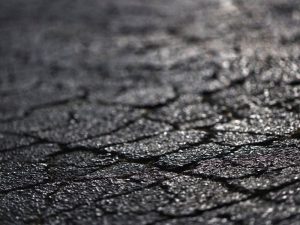
 Crack sealing is one of the most cost-effective ways to preserve your parking lot’s lifespan, especially in a city like Boston, where extreme seasonal swings—from icy winters to humid summers—can wreak havoc on asphalt. But one of the most common questions we get at Marchi Paving is, “How long should I wait before driving on newly sealed cracks?”
The answer isn’t one-size-fits-all. It depends on a few local variables, including weather conditions, the type of sealant used, and even the surrounding environment—whether you’re managing a Back Bay commercial lot or maintaining a small property near Dorchester Avenue.
Here’s what you need to know about the drying and curing timeline for crack sealing in Boston.
Key Takeaways
- Mild spring weather in Boston usually allows six to eight hours of drying before cars can return.
- Hot and humid Boston summers often stretch the curing time to twelve to twenty-four hours for safety.
- Cooler transitional seasons in Boston may need as much as forty-eight hours for the sealant to cure.
- Full curing keeps pavement stronger for longer, and Marchi Paving helps Boston properties get the timing right.
Wait at Least 6 to 8 Hours in Mild, Dry Weather
If we’re sealing your parking lot on a classic late-spring Boston day—think mid-60s, dry, with a light breeze—you can typically drive on it after about 6 to 8 hours. This is the minimum curing time under ideal conditions.
Lots near Jamaica Plain or along Commonwealth Avenue, where tree cover and airflow are decent, will see even curing throughout. However, we always caution business owners not to rush this step; just because it looks dry doesn’t mean it’s fully cured.
Give It 12 to 24 Hours During Boston’s Humid Summers
During July and August, when humidity levels spike and temps sit in the high 80s, you’ll want to give your parking lot closer to 12 to 24 hours before allowing traffic.
Areas like South End and Fenway, where tall buildings can block airflow, often trap moisture and slow down drying. Crack sealant can stay tacky longer in these conditions, making early traffic a risk for smearing or pulling up the material.
If you’re managing high-volume lots, especially near busy spots like Newbury Street, waiting a full 24 hours ensures a cleaner, longer-lasting finish.
Expect Longer Wait Times After Late Fall or Early Spring Applications
Boston‘s transitional seasons—late March into April and late October into November—bring unpredictable temperature swings and more frequent rain.
If we’re applying crack sealant during these cooler or damp stretches, like in Brighton or along the Charles River, it may take up to 48 hours to fully cure. This is because nighttime temperatures often drop into the 40s or below, stalling the chemical curing process.
We always monitor the weather forecast carefully during these seasons and may recommend rescheduling if the conditions aren’t right.
Avoid Driving on Sealed Cracks for up to 72 Hours in Shaded or High-Moisture Zones
If your lot is in a shaded location—say, tucked behind a Beacon Hill brownstone or next to a tree-lined park like the Boston Common—curing can take up to 72 hours.
Moisture from the nearby vegetation or limited sun exposure can significantly delay drying time. We also see this in some coastal properties near East Boston, where ocean air keeps surfaces damp longer.
In these cases, we might rope off the area for several days to protect the fresh sealant and ensure the material bonds properly with the asphalt.
Let the Sealant Cure Right—Protect Your Investment
Crack sealing isn’t something you want to rush. Letting the sealant fully cure before driving on it makes a big difference in how long it lasts—especially here in Boston, where asphalt takes a beating from road salt, snowplows, and freeze-thaw cycles.
At Marchi Paving, we don’t just seal cracks—we make sure the timing, materials, and weather conditions are all aligned to give your pavement the best chance at a long, healthy lifespan. We use industry-proven materials suited for New England’s climate, and we schedule our work with Boston’s unique weather patterns and property layouts in mind.
If you’re planning a crack sealing project—whether it’s in Allston, Southie, or right downtown—give us a call first. We’ll walk you through what to expect, recommend the best time to schedule, and make sure your parking lot is protected for the long haul.
Frequently Asked Questions
Can crack sealing be done in Boston during the winter months?
Crack sealing cannot properly cure in freezing Boston winters. At Marchi Paving, we recommend scheduling work between spring and fall, when consistent temperatures help ensure strong bonding and long-lasting results.
How often should Boston property owners plan for crack sealing?
Most Boston parking lots need sealing every two to three years. At Marchi Paving, we evaluate traffic, weather exposure, and asphalt age to recommend the best maintenance schedule for your property.
Does sealing prevent water from worsening cracks in Boston’s freeze-thaw cycles?
Yes, sealing protects against freeze-thaw damage. At Marchi Paving, we apply materials designed for New England climates, preventing water from entering cracks and causing expansion during harsh Boston winters.
Can Marchi Paving work outside regular hours to reduce parking lot downtime?
Yes, we often schedule evening or weekend projects. At Marchi Paving, we accommodate Boston businesses along busy routes by completing work with minimal disruption to customers or tenants.

