

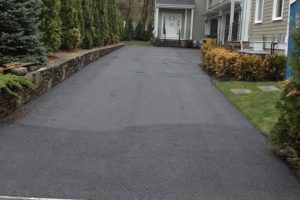
 If you’re planning to replace or install a driveway in Boston, you’re probably wondering how long the whole process will take. Between unpredictable New England weather and the dense layout of neighborhoods like Jamaica Plain or the North End, it’s not always a one-size-fits-all answer.
At Marchi Paving, we’ve handled everything from tight townhome lots in Dorchester to larger suburban driveways in West Roxbury, so we know how timing can vary.
Let’s walk through what you can expect and why the number of days needed can differ across Greater Boston.
Key Takeaways
- Most driveway jobs in Boston take one to five days, depending on the size, design, and site access.
- Smaller projects in places like Hyde Park or Roslindale often finish faster than larger ones in Newton or Mattapan.
- Local weather, driveway materials, permits, and site conditions can all add time to a driveway installation.
- A Boston-based contractor who knows city rules and neighborhood layouts can help keep your project on schedule.
One-Day Driveway Installations
For small, straightforward jobs—like a basic asphalt resurfacing on a short driveway in Hyde Park—we can often wrap everything up in a single day. These projects are typically on properties with clear access, minimal grading, and no underlying drainage issues.
In neighborhoods where parking restrictions are tight, such as Beacon Hill or parts of Back Bay, completing the work quickly is not just ideal—it’s necessary to avoid permit complications and disruption to your neighbors.
Two-Day Projects
A two-day timeline is common for full asphalt replacements or standard concrete walkways in average-sized properties.
We often see this schedule in places like Roslindale or Brighton, where there’s just enough space to work efficiently, but still a need to manage things like slope and runoff.
Day one is usually prep work—excavation, grading, and laying the base—while day two is dedicated to the pour or paving.
The curing or compacting can begin right after.
Three to Four-Day Projects
Asphalt driveways that involve additional features or complications, such as custom edging, paver borders, or drainage systems, can stretch into three or four days.
We’ve done several of these in neighborhoods like Chestnut Hill, where homeowners often want a polished aesthetic that complements their landscaping.
The extra time allows us to handle detail work, ensure proper pitch for water flow, and install long-lasting finishes.
Five Days or More
Longer timelines usually happen on larger properties in areas like Newton or the outer parts of Mattapan. These are often projects that involve complete tear-outs, extensive site prep, or specialty materials like permeable pavers or stamped concrete.
Delays can also come from needing to coordinate with utility providers like Eversource for underground work or clearing permit hurdles through the Boston Public Works Department.
Weather can also stall progress, especially in the spring when freeze-thaw cycles make ground conditions unpredictable.
What Factors Can Affect How Long a Driveway Project Takes in Boston?
Even when two driveways look similar, the conditions on-site can make a big difference in timing. Here’s a breakdown of the biggest factors that affect project duration in the Boston area.
Size and Layout of the Property
The square footage of your driveway is only part of the equation.
The shape, slope, and access also matter.
A small but oddly shaped driveway in South Boston with narrow alley access can take longer to work on than a wide, open driveway in West Roxbury. Tight urban spaces may require special equipment or more hand labor, which slows things down.
Material Type Being Installed
Asphalt installation is typically faster than concrete, especially in Boston’s climate. But if you’re going with decorative options like cobblestone in Charlestown to match historic architecture, or exposed aggregate concrete in Beacon Hill, expect additional curing and setup time.
These materials often involve extra steps like stamping or sealing, which can’t be rushed in humid or cold weather.
Weather and Season
Boston’s four-season climate is no small factor.
Spring and fall are ideal for asphalt paving, but rainy weeks can cause rescheduling, especially in April and early May. During the winter months, cold temperatures can delay concrete curing or prevent proper asphalt bonding altogether.
In fact, we avoid pouring any concrete below 40°F, and asphalt needs temps above 50°F for proper compaction. That’s why summer is our busiest season in neighborhoods like Jamaica Plain and Allston.
Permitting and City Regulations
In many parts of Boston, especially older areas like Roxbury or Fenway–Kenmore, we need to secure permits through the Boston Public Works Department.
If your property is on a private way or near a landmark building, historical review might also be required. These approvals can add days—or even weeks—before we can start the job, depending on the city’s review process.
Existing Site Conditions
If we’re replacing an old driveway, the condition of the base matters.
In some older Boston homes, especially those in Dorchester and East Boston, we find crumbling foundations or improperly installed gravel that needs to be reworked.
Soil stability, drainage problems, and tree root systems are common issues that need to be addressed before any paving starts.
These factors can easily add a day or two to the timeline.
Get Your Driveway Done Right—On Time
You don’t want your driveway project dragging out longer than it should, and we don’t either. That’s why it’s important to work with a contractor who knows the ins and outs of Boston properties—from the tight alleys of the South End to the historic regulations in Back Bay.
At Marchi Paving, we tailor every project plan to your specific home and location so we can finish the job on time, without cutting corners.
Whether you’re in Roslindale or Cambridge, we’ll build a durable, long-lasting driveway that meets your needs and fits your timeline.
Let’s talk about your project today—contact us to schedule a free estimate.
Frequently Asked Questions
How far in advance should I schedule a driveway installation in Boston?
We recommend booking your project at least 3 to 4 weeks ahead, especially during summer when demand is highest across Greater Boston neighborhoods.
Can you remove and replace just part of my driveway?
Yes, partial replacements are possible if the damage is isolated, but we’ll inspect first to make sure the base is still structurally sound.
What kind of maintenance does a new asphalt driveway need?
We suggest sealing your asphalt driveway 6 to 12 months after installation and then every few years to protect against cracking and salt damage.
Do you offer any driveway options that help with water drainage?
Yes, we install permeable pavers and drainage-friendly designs that reduce runoff, which is helpful in flood-prone areas like Dorchester and East Boston.

